

The Freedom of Seventies Hair
More than just a passing trend, the hairstyles of the 1970s were a reflection of immense social and cultural change. Coming out of the more rigid styles of the '60s, '70s hair was defined by a sense of freedom, individuality, and rebellion against formal
beauty standards. It was a decade of self-expression, where hair became less about perfectly coiffed updos and more about personal statements. This was the era of the 'wash and wear' philosophy, where natural texture was embraced and androgynous styles like the shag became popular for both men and women, breaking down traditional barriers. The core idea was movement and ease, a departure from the high-maintenance looks of the past, which is a major reason why these styles feel so relevant again today.
The Shag: Effortless and Edgy
Perhaps no haircut is more synonymous with the 1970s than the shag. Popularized by icons like Jane Fonda in the film 'Klute' and rockstars such as Joan Jett and Mick Jagger, the shag was the epitome of counter-culture cool. Characterized by its choppy, heavily feathered layers that are shorter on top and longer at the bottom, the original shag was intentionally messy and rebellious. Today, the shag has seen a major revival, but with a modern twist. Contemporary versions are often softer, with less severe layering to make them more versatile. Stylists are creating 'modern shags' and 'wolf cuts'—a shag-mullet hybrid—that retain the original's texture and volume but with a more blended, polished finish that looks intentional rather than unkempt.
The Farrah Fawcett: Feathered and Famous
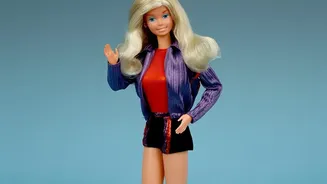
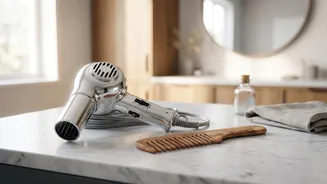
When Farrah Fawcett debuted her feathered, flicked-back hairstyle in 'Charlie's Angels,' it became an international phenomenon. Known as the 'Farrah-flip,' this look was defined by its voluminous, bouncy layers that swept away from the face, creating a soft yet glamorous effect. It required a center part and a commitment to styling with a round brush and hairdryer to get that signature kick. The modern interpretation of this style is often seen in the 'butterfly cut,' which features similar cascading, face-framing layers but with a softer, more blended feel. Instead of the dramatic, pronounced flicks of the '70s, today's version focuses on creating volume and movement that feels more natural and less 'set'.
Curtain Bangs: The Face-Framing Fringe
Long before they took over social media, curtain bangs were a defining feature of '70s style, famously worn by trendsetters like Brigitte Bardot and Goldie Hawn. Unlike the blunt, heavy fringes of other decades, curtain bangs are parted in the middle and sweep to each side, softly framing the face. They were popular because they were flattering, low-maintenance, and perfectly captured the decade's preference for softer, more natural looks. Their current comeback is driven by the same appeal: versatility. Today's curtain bangs are paired with shags, bobs, and long hair, often styled to be wispier or more textured than their '70s counterparts, working well with air-dried hair and a relaxed approach to glamour.
The Afro: A Symbol of Pride
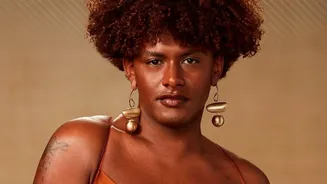
The Afro was more than just a hairstyle in the 1970s; it was a powerful political statement. Emerging from the Civil Rights and Black Power movements of the late 1960s, the Afro became a prominent symbol of Black pride, identity, and the rejection of Eurocentric beauty standards. Icons like Angela Davis, Pam Grier, and Diana Ross showcased the beauty and versatility of natural, textured hair, inspiring a generation. While the Afro's political edge softened as it became more mainstream, its cultural significance endures. Today, the embrace of the Afro and other natural hairstyles continues to be a celebration of heritage and self-acceptance, with a renewed focus on hair health and versatile styling that honors its powerful roots.