







What Are the Orionids?
The Orionid meteor shower is an annual event that occurs when Earth passes through the trail of debris left behind by Halley's Comet (1P/Halley). While the comet itself only graces our skies once every 76 years—last seen in 1986 and not returning until
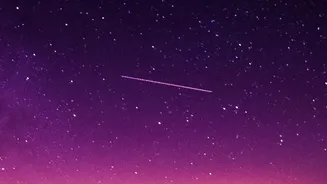
2061—its legacy lights up our sky every October. These tiny particles, many no larger than a grain of sand, burn up upon entering our atmosphere at incredible speeds of around 66 kilometres per second. This velocity makes Orionid meteors particularly special; they are known for their brightness and speed, often leaving glowing trails, or “trains,” that can linger for several seconds. Occasionally, a larger piece of debris can create a brilliant fireball, a prolonged and dramatic flash of light.
Peak Dates and Best Viewing Times for India
The key dates for the 2026 Orionid meteor shower are the nights of October 21 and 22. While the shower is active from early October to early November, the peak is when you will see the highest concentration of meteors—roughly 15 to 25 per hour under ideal conditions. For viewers in India, the best time to watch is after midnight and into the pre-dawn hours of October 22. There is a challenge this year: a bright waxing gibbous moon will be in the sky during the early part of the night. However, the moon is expected to set around 3 a.m. local time, opening up a window of dark sky until dawn begins to break. This post-moonset period is your prime opportunity to see the most meteors.
How to Find the Meteors in the Sky
The shower is named the Orionids because the meteors appear to radiate from a point within the constellation of Orion the Hunter. Orion is one of the most recognisable constellations, famous for the three bright stars that form its 'belt'. To find it, look towards the eastern sky after midnight. However, you don't need to stare directly at the radiant point. In fact, it's better not to. Meteors will appear all across the sky, and those seen further from the radiant will have longer, more impressive trails. The best strategy is to find a comfortable spot, lie back, and look straight up, taking in as much of the sky as possible.
Finding the Best Viewing Spots in India
The single most important factor for a successful meteor shower viewing is getting away from city lights. Light pollution from major urban centres like Delhi, Mumbai, Bangalore, and Chennai can wash out all but the very brightest meteors. To maximize your chances, plan a trip at least 50-60 kilometres away from the city limits. Ideal locations include: rural countryside, hill stations, and desert landscapes. Places like the Rann of Kutch in Gujarat, the deserts around Jaisalmer in Rajasthan, and high-altitude, clear-sky regions like Ladakh and Spiti Valley are premium stargazing destinations in India. For those near Pune, locations like Velhe and Panshet offer darker skies. Even a local park or open ground with an unobstructed view of the sky can be an improvement if you can't travel far.
Essential Tips for a Great Experience
You don’t need any special equipment like a telescope or binoculars to watch a meteor shower; your eyes are the best tool for the job. First, give your eyes at least 20-30 minutes to fully adapt to the darkness. This means avoiding looking at your bright phone screen. Second, get comfortable. Use a reclining chair or simply lay on a blanket or mat to avoid neck strain. Third, be patient. Meteors often come in spurts with quiet lulls in between. Finally, check the weather forecast before you go and dress in warm layers, as temperatures can drop significantly during the night, even in regions that are warm during the day.