




The Sun's Hidden Temper
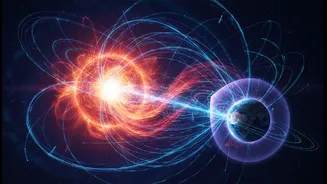
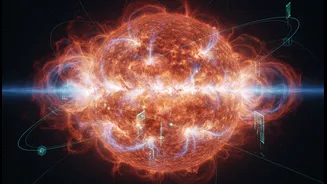
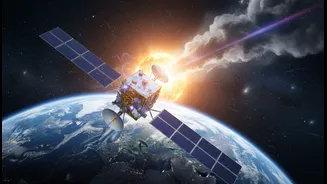
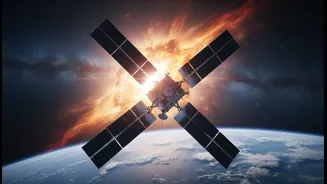
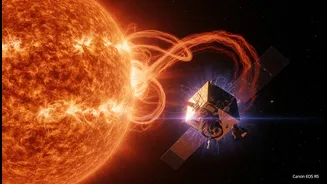
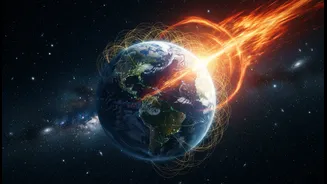
Space is not empty. It's a dynamic environment dominated by the Sun, which constantly emits a stream of charged particles known as the solar wind. Occasionally, the Sun unleashes more violent outbursts: solar flares and coronal mass ejections (CMEs).
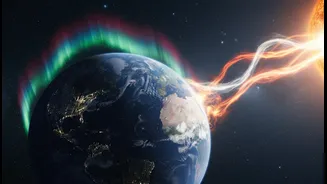
These events create space weather. For our increasingly tech-dependent world, this is a major problem. A severe solar storm can disable or damage satellites, disrupting everything from GPS navigation and telecommunications to banking and weather forecasting. India has crores worth of assets in orbit, and as we rely more on them, our vulnerability to space weather grows. Furthermore, for astronauts outside the protection of Earth's magnetic field, like those planned for the Gaganyaan mission, high-energy particles from a solar event can pose a lethal radiation risk.
Beyond Building the Rocket
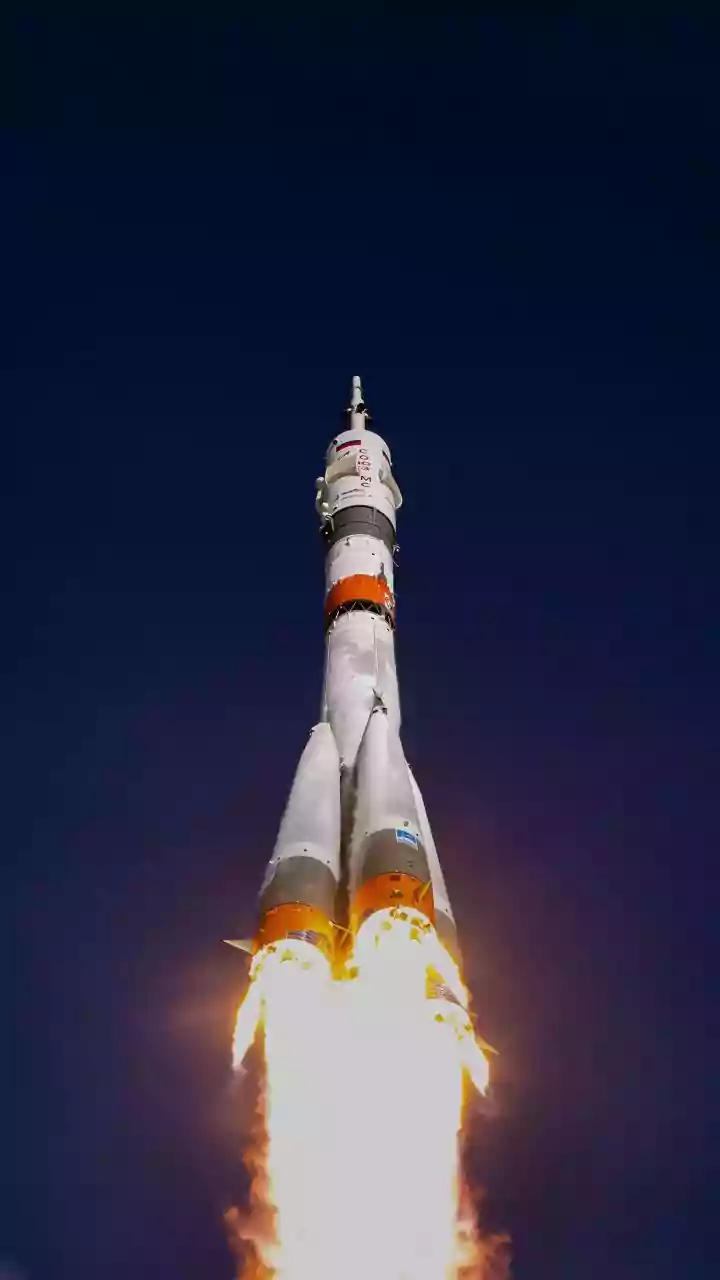
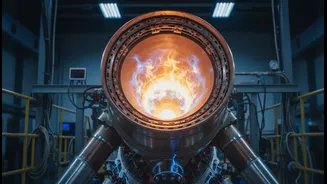
Historically, Indian space education has excelled in the 'hard engineering' disciplines. We have produced brilliant minds who can design and build world-class rockets and satellites. This focus was essential for establishing our foundational capabilities. However, launching a spacecraft is only the beginning of its journey. The true value of a space asset is realised during its operational life, which can last for years. This is where the current educational focus shows a potential gap. While courses in aerospace and astronautical engineering are common, specialised programmes dedicated to the long-term, post-launch phase of a mission are less prevalent. The curriculum often prioritises the creation of the hardware over the expertise needed to operate it, protect it, and manage the data it produces.
The Rise of the Mission Operator
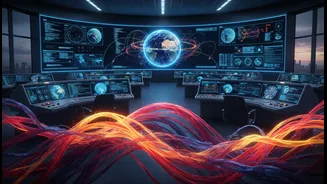
This is where 'operations roles' become critical. These are the flight controllers, the satellite operators, the data analysts, and the space weather forecasters who are the custodians of our space assets. They are the human 'software' that runs the mission long after the rocket's fire has faded. A mission operations specialist needs a multidisciplinary skill set, combining engineering knowledge with real-time problem-solving, risk management, and data interpretation. As private sector involvement in India's space economy grows, the demand for non-engineering roles like programme managers, risk analysts, and operations specialists is set to skyrocket. These are not just technical jobs; they are decision-making roles that require a deep understanding of the space environment and its inherent risks.
Educating for India's Future in Space
India's ambitions are clear: the Gaganyaan human spaceflight mission, a future space station, and deeper exploration of the solar system. These missions make expertise in space weather and operations a non-negotiable requirement. The Aditya-L1 mission is a fantastic step, providing crucial data for space weather forecasting. But data is only useful if we have a generation of trained experts who can interpret it and turn it into actionable warnings. The All India Council for Technical Education (AICTE) has introduced a minor in space technology, a positive move towards broadening the curriculum. However, a more concerted push is needed within our premier engineering and science institutions to create dedicated streams and postgraduate courses in space weather and mission operations, treating them as primary disciplines, not afterthoughts.