








Beyond the North-South Binary
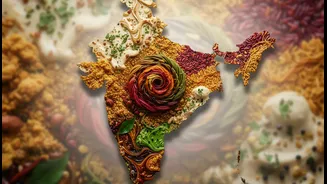
For decades, the simplest way to describe India’s food map was the wheat-centric North versus the rice-dominant South. While this foundation holds historical truth, today's urban centres tell a much more complex story. Migration has turned cities into
melting pots where a Mumbaikar might eat a dosa for breakfast and a Chennai resident might prefer a paneer butter masala for dinner. Globalisation and the rise of a national supply chain mean that ingredients and culinary influences travel faster than ever. A preference for wheat is now seen even among some South Indians who were traditionally rice-eaters, complicating the old narrative. The modern Indian city is a place where culinary boundaries are not just blurred but are being actively and deliciously redrawn.
The Economic Engine of Appetite
A city’s economic character profoundly shapes its residents' plates. In fast-paced financial hubs like Mumbai, the demand for convenience drives the market for ready-to-eat meals and quick-service restaurants. In tech-centric cities like Bengaluru and Hyderabad, rising disposable incomes and a wellness-oriented workforce have fueled a boom in health food cafes, organic produce, and specialised diets like keto and veganism. These cities have become hotspots for health-conscious consumers. Meanwhile, the affordability and cultural significance of street food create a different kind of culinary ecosystem in cities like Delhi and Kolkata, from chaat to kathi rolls. What people earn, how they work, and the pace of their lives directly influence food choices, making each city's dietary profile distinct.
The Shifting Landscape of Health
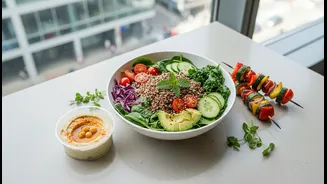
The conversation around healthy eating is also not uniform across the country. While there's a nationwide increase in health consciousness, its expression varies by city. Metro areas like Mumbai and Bengaluru are quick to embrace global trends like quinoa bowls and plant-based proteins. In contrast, other urban centres might see a rise in gym-focused, high-protein diets or a return to traditional, unprocessed foods. This divergence has significant public health implications. A recent study identified Delhi, Kolkata, and Chennai as hotspots for abdominal obesity, linked to sedentary jobs and easy access to packaged foods. This suggests that public health campaigns need a tailored, city-specific approach rather than a one-size-fits-all message.
The Packaged Goods Playbook
Perhaps the most compelling evidence for a city-wise approach comes from the very companies selling food to us. The packaged food industry, a sector experiencing explosive growth, has moved beyond a metro-centric model to target Tier-2 and Tier-3 cities with localised strategies. These companies understand that a product that sells well in Pune may need different marketing, or even a different flavour profile, to succeed in Guwahati. Consumption of packaged and ultra-processed foods like biscuits, noodles, and snacks has soared across India, but the market leaders know that success lies in understanding the nuanced preferences of each urban market. They don't see one 'Indian consumer'; they see a collection of distinct urban appetites.