




Why Choose Indigenous and Adapted Plants?
Before you start your seed hunt, it's worth understanding why going local is so beneficial. Indigenous plants, native to the Indian subcontinent, evolved here. This means they are naturally suited to our climate, soil conditions, and light levels. They
generally require less water, fewer pesticides, and less fuss than exotic species. By choosing them, you're not just adding greenery to your home; you're also promoting local biodiversity. Even non-native plants that have been cultivated in India for centuries are well-adapted and robust choices for any home gardener. They offer the perfect combination of resilience and beauty, making your indoor garden both sustainable and easier to manage.
The Promise of Purer Air
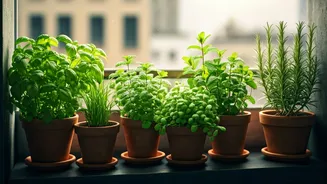
The idea that houseplants can clean the air isn't just a myth. Seminal research, including a famous study by NASA, has shown that certain plants can absorb common indoor air pollutants like formaldehyde, benzene, and trichloroethylene through their leaves and roots. The soil microorganisms also play a role in this process. While you would need a large number of plants to replicate the air-purifying effect of a mechanical filter, every little bit helps. Incorporating these green wonders into your space contributes to a healthier living environment, reduces dust, and can even boost your mood and focus. It’s a natural, aesthetic way to improve your personal space.
Tulsi (Ocimum Tenuiflorum)
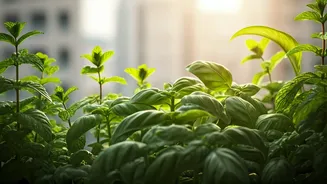
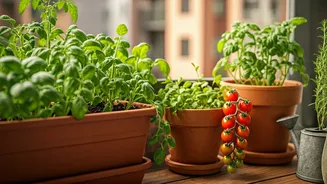
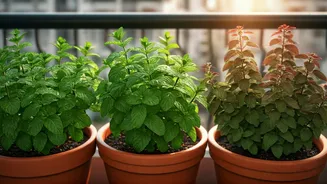
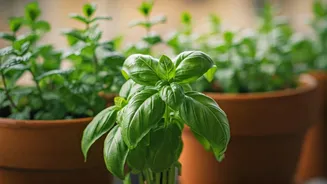
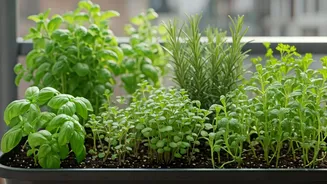
No list of beneficial Indian plants is complete without Holy Basil, or Tulsi. Revered for its spiritual and medicinal properties, Tulsi is also a fantastic air purifier. It's known to release oxygen for 20 hours a day and can absorb harmful gases like carbon monoxide and sulphur dioxide. Growing Tulsi from seed is a straightforward process. The seeds are tiny, so sprinkle them lightly over moist soil in a pot and cover with a very thin layer of soil. Keep it in a spot that receives at least 4-6 hours of sunlight. Water it regularly, but avoid waterlogging. Within a week or two, you should see tiny saplings emerge, ready to grow into a fragrant, life-giving plant for your home or balcony.
Neem (Azadirachta Indica)
Known as the 'wonder tree' in India, Neem is celebrated for its powerful antiseptic and pest-repelling properties. While it's a large tree, Neem can be grown in large pots or as a bonsai indoors, especially in its early years. As an air purifier, it's highly effective at filtering pollutants. To grow from seed, you'll need fresh Neem seeds, as they lose viability quickly. Soak the seeds in water for 24 hours before planting them in a well-draining soil mix. Place the pot in a sunny location. Neem plants are hardy and drought-tolerant once established, making them a low-maintenance choice for adding a touch of powerful, purifying green to your home.
Areca Palm (Dypsis Lutescens)
Though native to Madagascar, the Areca Palm has become one of the most popular and beloved indoor plants across India for good reason. It's a natural humidifier and an excellent air filter, particularly adept at removing compounds like xylene and toluene. Its feathery, arching fronds add a lush, tropical feel to any room. Areca Palm seeds should be planted in a well-draining potting mix and kept consistently moist, but not soggy. They prefer bright, indirect light. While growing them from seed requires patience, watching the first fronds unfurl is an incredibly rewarding experience for any plant enthusiast.
How to Find Seeds at Pop-Ups
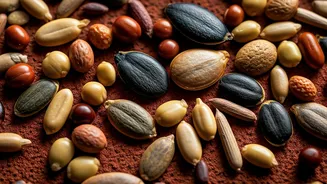
The best way to find quality indigenous seeds is to connect with your local gardening community. Weekend pop-ups are often organised by local nurseries, horticultural societies, or even environmental NGOs. Start by following these organisations on social media platforms like Instagram and Facebook, as they regularly post updates about upcoming events. Visiting your local farmers' market (sabzi mandi) or a dedicated plant nursery is another great option. Don't hesitate to talk to the vendors; they often have a wealth of knowledge and can guide you to the best seeds for your home's conditions. These small, local businesses are the heart of the gardening community and a treasure trove for rare and indigenous plant varieties.