
A Milestone in Astronaut Safety
The Indian Space Research Organisation (ISRO) recently announced the successful completion of three major qualification tests on systems for the Gaganyaan Crew Module. These ground-based and simulated tests are not conducted in orbit, but are designed
to prove the systems will work flawlessly during the most dangerous phases of an orbital mission: launch, re-entry, and splashdown. The tests focused on moments where the astronauts would have little to no control, making system reliability paramount. One key success was the Crew Module Uprighting System (CMUS), which uses inflatable bags to ensure the capsule stays upright after landing in the sea, a critical requirement for a safe recovery. Another validated the structural integrity of the module when the apex cover, which protects the parachutes, is jettisoned. The third confirmed the clean separation of the umbilical cord connecting the crew and service modules before re-entry.
The Anatomy of a Lifesaver
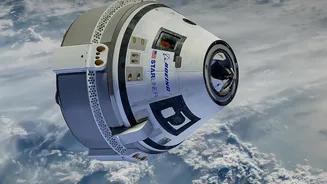
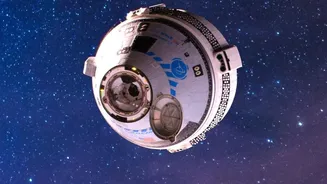
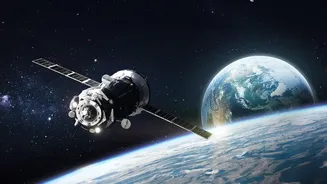
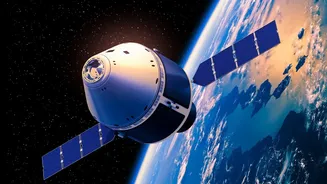
The Gaganyaan Crew Module is the heart of India's human spaceflight mission. It is the pressurised, habitable space where up to three 'Vyomanauts' (Indian astronauts) will live and work during their mission in Low Earth Orbit, about 400 kilometres above the planet. This capsule is much more than just a passenger cabin; it is a self-contained spaceship equipped with a state-of-the-art Environmental Control and Life Support System (ECLSS) to provide the crew with a breathable atmosphere, comfortable temperature, and other necessities for survival in the harsh environment of space. It also houses the control systems and interfaces that allow the crew to manage the spacecraft. The module is connected to the Service Module, which provides power and propulsion in orbit. The recent tests ensured the two can separate cleanly and safely when it is time to return to Earth.
Failure is Not an Option
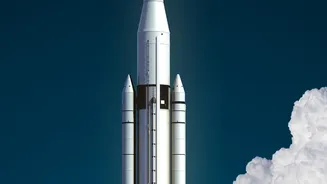
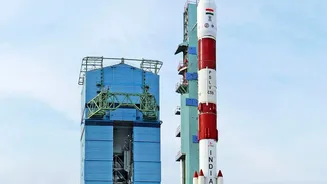
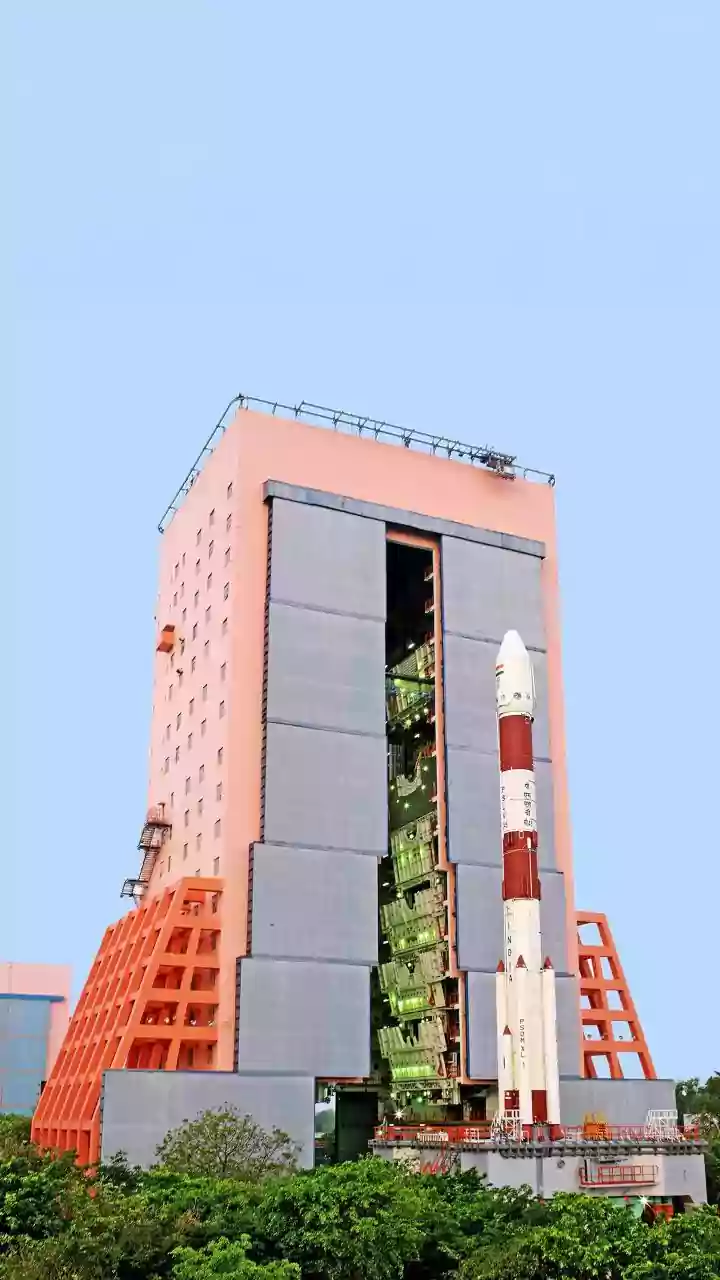
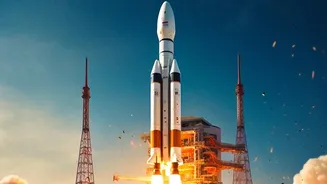
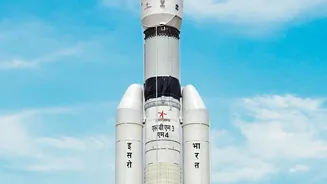
In human spaceflight, there is no room for error. The recent tests are so critical because they address worst-case scenarios and high-risk events. For instance, the test on the apex cover involved subjecting the crew module to forces 1.75 times higher than what is expected during flight to ensure it could withstand the explosive event of the parachute cover being blown away. The success of the uprighting system test means that even in choppy seas, the crew will be in a stable position, allowing recovery teams to safely reach them. Every system, from the parachute deployment sequence to the final splashdown, must be rigorously tested and proven to be reliable. These validations are fundamental to the human-rating process of the entire Gaganyaan system, which includes the powerful LVM3 launch vehicle. Ultimately, the safety and survival of the astronauts depend entirely on these systems functioning perfectly.
The Road to a Manned Launch
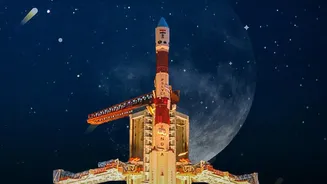
With these successful qualification tests, ISRO continues to methodically build confidence in the Gaganyaan system. The next major steps involve a series of uncrewed test flights. The first, designated G1, is expected in late 2026 and will carry a humanoid robot named Vyommitra to test the life-support systems in a real space environment. This will be followed by further uncrewed flights to ensure all systems are perfected before the first crewed mission, H1, which is anticipated in 2027. These missions are part of a broader ambitious schedule for ISRO, which includes numerous satellite launches and scientific missions. Each successful test, from ground simulations to air-drop tests of the parachute system, brings India one step closer to joining the elite club of nations—after the US, Russia, and China—capable of launching their own astronauts into space.