








Understanding the Wait: Modern Festival Security
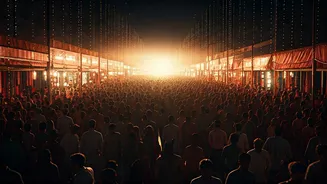
That long line at the festival gate isn't just for show; it's a crucial part of ensuring a safe environment for tens of thousands of people. Security teams are the first line of defence, tasked with creating a secure space for everyone to enjoy. Their
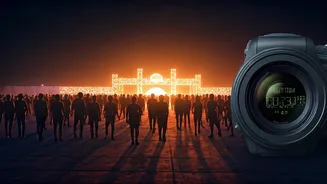
primary goal is to prevent prohibited items from entering the venue. This includes obvious dangers like weapons, but also extends to glass containers, outside alcohol, professional camera equipment, and other items specified by the organisers. To do this, they employ a layered system of checks that can include a thorough bag search, a personal pat-down, and walking through metal detectors. Each step takes time, and when multiplied by the thousands of attendees arriving in waves, queues are an inevitable consequence of robust safety protocols.
Before You Leave Home: Your Pre-Festival Checklist
The fastest way through security begins with smart packing. Weeks before you travel, visit the festival’s official website and social media pages. Organisers will post a detailed list of what you can and cannot bring. Pay close attention to bag policies, as many festivals now enforce restrictions on the size and type of bag allowed, often favouring clear bags to speed up searches. The golden rule is to travel light. Every extra item is something security may need to inspect. Consolidate your belongings and ask yourself if you truly need everything you've packed. Leave valuables and anything on the prohibited list at home. This simple step not only expedites your entry but also reduces the risk of loss or confiscation.
Timing Is Everything: Hitting the Arrival Sweet Spot
Arriving ‘on time’ for a festival is different from arriving for a movie. You need to factor in the journey to the venue, parking, walking to the gate, and the security queue itself. The busiest times to arrive are typically right after the gates open and in the hour or two leading up to the day’s main headliner. If your favourite opening act is on at 2 p.m., aiming to arrive at 1:45 p.m. is a recipe for disappointment. A safer bet is to get there much earlier, allowing a buffer of at least 90 minutes to two hours. Alternatively, if you aren't invested in the early acts, consider arriving during a mid-afternoon lull when a less popular artist is on stage. Some festivals even experiment with timed entry slots to manage crowd flow, so check your ticket for any specific instructions.
Navigating the Queue Like a Pro
Once you're in line, a little preparation can make a big difference. Have your ticket (either printed or on your phone with the screen brightness up) and your ID ready before you reach the front. Unzip your bag’s pockets to give security staff easy access. A friendly and cooperative attitude goes a long way. Remember, the security personnel are doing a job that is essential for your safety and can be repetitive and demanding. Being polite, making eye contact, and following their instructions promptly will not only make their job easier but will also get you through the process faster. Arguing about a prohibited item will only cause delays for you and everyone behind you. If in doubt, leave it out.
Don't Forget Re-Entry and Internal Checkpoints
The main gate isn't always the only security you'll encounter. Many larger festivals have internal checkpoints, especially for accessing VIP areas, campsites, or specific stages. These usually have smaller queues but are worth being aware of. If the festival allows re-entry, be mindful that you will likely have to go through the full security process again. This is especially important if you are staying off-site and will be entering and exiting daily. Factor this into your daily schedule to ensure you don’t miss any must-see performances. The rules for what you can bring in on re-entry might also differ, so a quick check of the festival's policy is always a good idea.