





The City of Lakes, Reborn
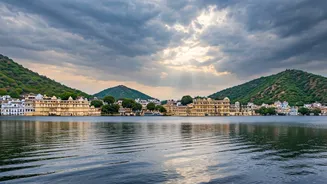
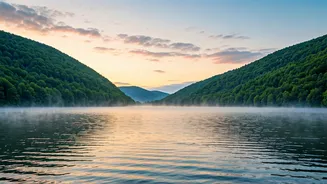
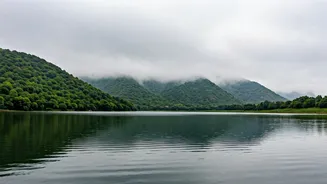
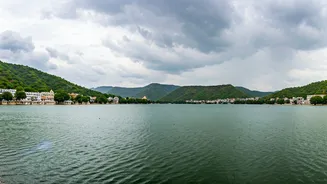
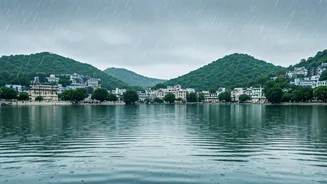
Something magical happens when rain meets Rajasthan's arid landscape. In Udaipur, this magic is most visible in its world-famous lakes. Water bodies like Lake Pichola and Fateh Sagar Lake, which can recede during the hot months, swell with the monsoon
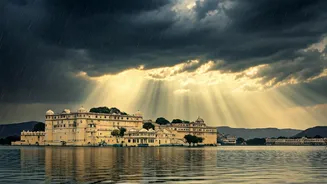
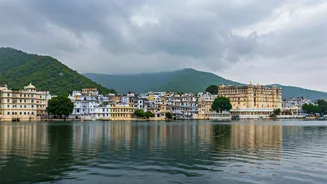
showers. The water levels rise, transforming the lakes into shimmering mirrors that reflect the dramatic, cloud-filled sky and the majestic palaces along their banks. A boat ride during this season is an entirely different experience; you glide past the iconic Lake Palace and Jag Mandir, which appear to float ethereally on the replenished waters, often shrouded in a light mist. The rhythmic patter of rain on the water, combined with the cooler breeze, makes for a deeply romantic and tranquil experience that feels a world away from the city's peak tourist season.
A Royal View from the Monsoon Palace
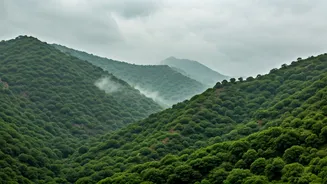
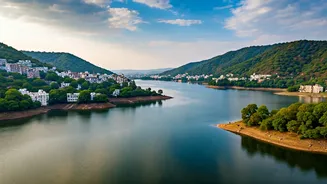
Perched high on a hill, the Sajjangarh Palace quite literally lives up to its popular moniker: the Monsoon Palace. Originally built by Maharana Sajjan Singh in 1884 to watch the monsoon clouds roll in, it remains the single best vantage point to witness the seasonal transformation. The winding drive up to the palace through the Sajjangarh Wildlife Sanctuary becomes an adventure in itself, with the surrounding Aravalli hills cloaked in lush greenery. From the palace’s white marble balconies, you get a breathtaking panoramic view of Udaipur's landscape — the glistening lakes, the sprawling city, and the green-washed countryside, all under a canopy of dramatic, moisture-laden clouds. It’s a view that feels both timeless and deeply connected to the rhythm of nature.
The Green and Pleasant Land
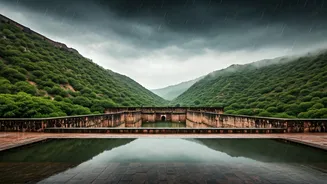
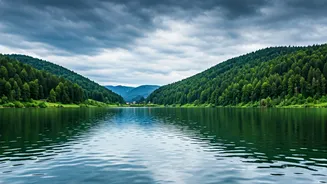
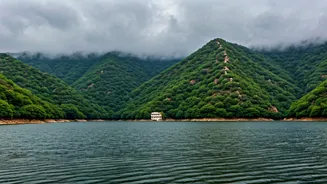
Beyond the main attractions, the monsoon unlocks a different side of Udaipur's beauty. The landscape, usually defined by earthy, muted tones, erupts in vibrant shades of green. The city's gardens, like Saheliyon-ki-Bari (the Garden of Maidens), become particularly lush and inviting. For those willing to venture slightly further, the countryside offers hidden gems. Drives to nearby locations like Badi Lake or the Ubeshwar Ji temple reveal cascading mini-waterfalls tumbling down rocky hillsides and a countryside teeming with life. It’s a time when you can find yourself on a quiet trek through the Aravalli Hills, with the scent of wet earth in the air and the sound of nature all around you.
A Slower, More Intimate Pace
Perhaps the greatest allure of monsoon-era Udaipur is the change in atmosphere. The season is traditionally considered off-peak, meaning fewer crowds and a more relaxed pace. This allows for a more intimate connection with the city. You can linger over a cup of hot masala chai at a lakeside cafe, watching the rain fall, or enjoy a leisurely walk along the promenade at Fateh Sagar Lake, where locals gather to eat roasted corn. The weather encourages a spontaneous itinerary; you explore when the sun is out and take refuge in a cozy restaurant for a taste of spicy Rajasthani cuisine when the showers begin. This slower rhythm allows you to see Udaipur not just as a tourist destination, but as a living city that breathes a sigh of relief with the arrival of the rains.