



Often relegated to a simple topping, the humble sesame seed is a culinary powerhouse. Its nutty flavour and satisfying crunch can transform a dish, bridging the gap between savoury meals and sweet treats in surprisingly delicious ways.
The Savoury Side of Sesame
In savoury cooking,
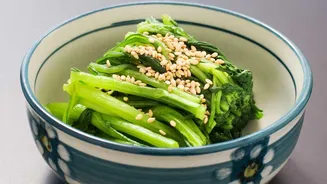
white sesame seeds are a cornerstone of texture and flavour. Toasting the seeds in a dry pan for a few minutes until they become fragrant and lightly golden unlocks a deeper, nuttier taste. These toasted seeds are brilliant when sprinkled over salads, stir-fries, and noodle dishes. They also form the basis of spice blends like za'atar, a Middle Eastern mix of thyme, sumac, and sesame that adds a herby, tangy crunch to vegetables and meats. For a more substantial role, use them as a crispy coating for fish or chicken fillets. A simple paste of flour, miso, and water can help the seeds adhere before pan-frying, creating a wonderfully crunchy crust that keeps the inside tender and moist.
The Magic of Tahini
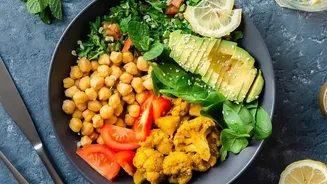
When sesame seeds are ground into a smooth paste, they become tahini, an ingredient with a creamy texture and a rich, earthy flavour. While famously the key to silky hummus and smoky baba ghanoush, tahini's talents extend far beyond dips. Whisked with lemon juice, garlic, and a little water, it creates a versatile, dairy-free sauce that can be drizzled over roasted vegetables, falafel, or grain bowls. This simple dressing can be customised with maple syrup for sweetness or miso for a deeper umami hit. Tahini also works beautifully in marinades and can be blended into soups and even pasta sauces for a creamy, nutty boost.
A Staple in Indian Sweets
In India, sesame seeds, or 'til', are central to many traditional sweets, especially during winter festivals like Makar Sankranti. Til ke Laddu are popular sweet balls made from roasted sesame seeds and jaggery (gur), often with additions like peanuts, coconut, and cardamom. The process involves creating a syrup from melted jaggery and then quickly mixing in the roasted seeds and other ingredients before shaping the warm mixture into balls. Another beloved treat is Til Chikki, a brittle candy where the sesame and jaggery mixture is rolled out thin and cut into squares as it cools, resulting in a satisfyingly crunchy snack.
The Boldness of Black Sesame
Black sesame seeds, which are typically unhulled, possess a stronger, earthier, and slightly more bitter flavour than their white counterparts. This distinctive taste makes them a star in many Asian desserts. In Japan and China, ground black sesame is used to make everything from nutty ice cream and sweet soups to fillings for steamed buns and glutinous rice balls (tang yuan). The striking, dark colour and rich flavour also lend themselves well to modern baking, appearing in everything from mochi cakes and muffins to brownies and cookies, where their deep flavour provides a beautiful contrast to sweeter ingredients.
From Halva to Finishing Oil
Sesame shines in confections beyond India. Halva, a dense, crumbly sweet popular across the Middle East and the Balkans, is made by combining tahini with a hot sugar or honey syrup. The result is a unique treat with a melt-in-your-mouth texture and an intense sesame flavour, often with pistachios or chocolate swirled in. Finally, no exploration of sesame is complete without its oil. Toasted sesame oil, with its potent, nutty aroma, is best used as a finishing oil, with just a few drops needed to elevate a finished dish. Light sesame oil, on the other hand, has a more neutral flavour and is suitable for general cooking.