




From Sightseeing to Experiencing
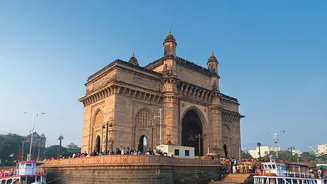
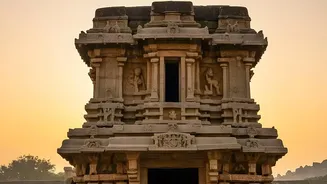
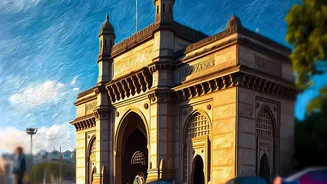
For decades, tourism in India was often a whirlwind tour of historical forts, grand palaces, and serene temples. While these landmarks remain essential, a significant shift is underway. Modern travellers are increasingly drawn to authentic, participatory
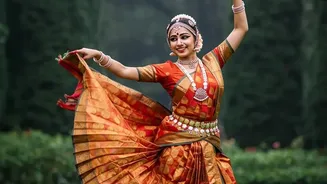
experiences that connect them with the local way of life. This has given rise to cultural tourism, where the main attraction is not a place, but an event. These festivals serve as a bridge between cultures, offering visitors a genuine glimpse into the traditions of local communities. Instead of just observing from a distance, travelers are invited to become part of the celebration, whether it’s dancing to folk music, tasting traditional foods, or witnessing ancient rituals. This trend is about creating memories through active participation and fostering a deeper understanding of India's rich, diverse heritage.
Northeast India's Festive Spirit
The northeastern states have become a hotspot for this new travel trend. The Hornbill Festival in Nagaland, often called the 'Festival of Festivals', is a prime example. Held every December, it brings together various Naga tribes to showcase their music, dance, food, and traditional crafts. The festival has seen tremendous growth, with tourist arrivals increasing nearly eightfold over fifteen years, which has provided a major economic boost to the region. Similarly, the Ziro Festival of Music in Arunachal Pradesh offers a different kind of immersion. Set against the stunning backdrop of the Ziro Valley, this eco-friendly event celebrates independent music from across the country and the world. It's an intimate affair, known for its bamboo stages set in paddy fields and the warm hospitality of the local Apatani tribe.
Desert Spectacles and Sacred Rituals
The trend isn't confined to one region. In Gujarat, the Rann Utsav transforms the stark white salt desert of Kutch into a cultural wonderland. What started as a three-day event in 2006 is now a multi-month festival attracting hundreds of thousands of visitors. It features luxury tent cities, camel rides, folk performances, and a vast marketplace for local artisans, generating significant income for the community. Down south in Kerala, the ancient ritual of Theyyam offers a powerful and spiritual experience. Performed in small village temples, primarily between October and May, it's not a stage show but a sacred act where performers are believed to channel deities. Guided tours now help travelers respectfully witness these intense, fire-filled ceremonies that often take place late at night, offering a profound look into a tradition that has been alive for centuries.
A More Meaningful Way to Travel
Choosing to travel for a cultural event does more than just provide a unique vacation. It directly supports local economies, empowers artisans, and helps preserve intangible cultural heritage. These festivals create a platform for communities to share their identity with pride and ensure their traditions are passed down to future generations. For the traveller, it's a chance to step away from the predictable and engage with India on a deeper level. It’s an invitation to not just see the country, but to feel its rhythm, taste its flavours, and connect with the stories of its people. This form of travel moves beyond simple consumption, fostering a sense of exchange and mutual respect.