


The Building Blocks of Muscle Repair
Every time you engage in a strenuous workout, you create tiny micro-tears in your muscle fibres. The process of repairing these tears is what makes your muscles stronger, and protein is the essential nutrient that facilitates this repair. More specifically,
it’s the amino acids within protein that do the heavy lifting. There are 20 amino acids in total, but nine are considered ‘essential’ (EAAs) because your body cannot produce them on its own; they must come from your diet. Among these are the three Branched-Chain Amino Acids (BCAAs)—leucine, isoleucine, and valine—which are particularly famous in the fitness world for their direct role in stimulating muscle protein synthesis, reducing muscle damage, and promoting recovery. Leucine, in particular, is seen as the primary trigger for this muscle-building process.
The 'Complete Protein' Question
Historically, a major concern with plant-based proteins was that many single sources are considered ‘incomplete’. This means they might be low in one or more of the nine essential amino acids. For example, many legumes are low in the EAA methionine, while many grains are low in lysine. Animal proteins like whey, on the other hand, are naturally 'complete,' containing high levels of all nine EAAs, which is why they have long been the gold standard in sports nutrition. This led to the belief that plant proteins were inferior for muscle recovery. However, this perspective overlooks a simple and effective solution that modern nutrition science has embraced: protein blending.
Smart Blends for a Full Amino Acid Profile
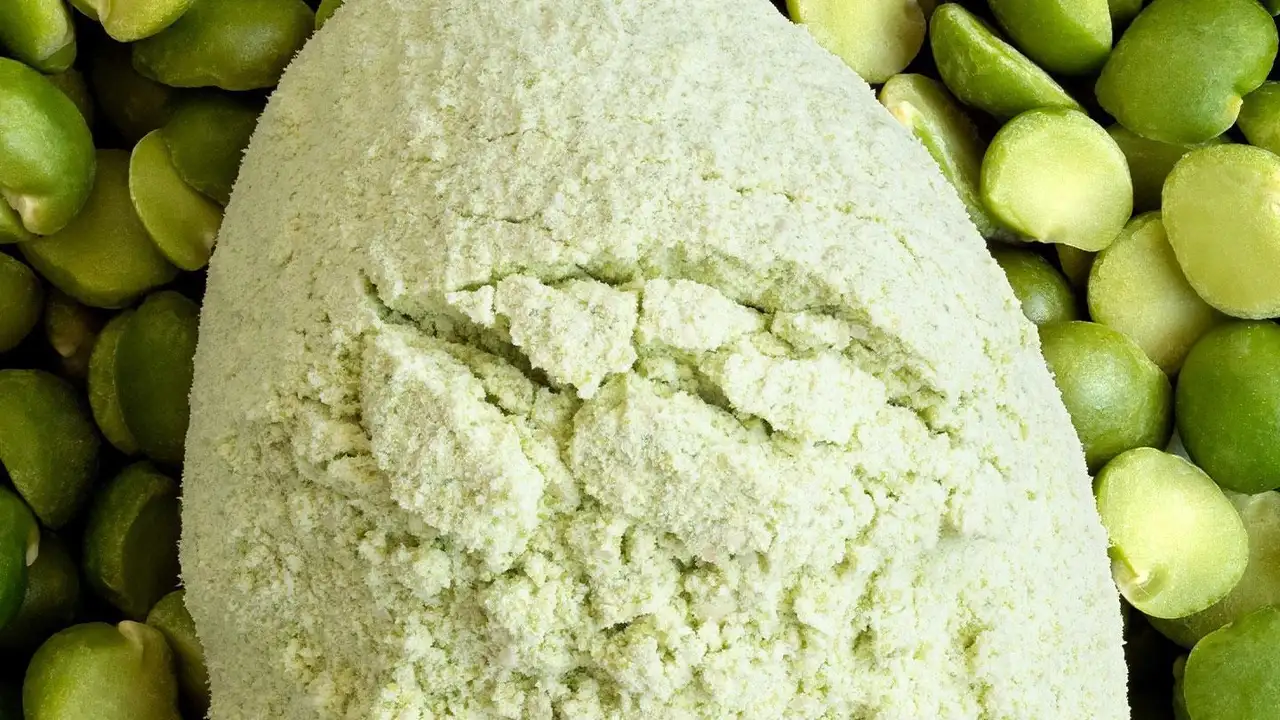
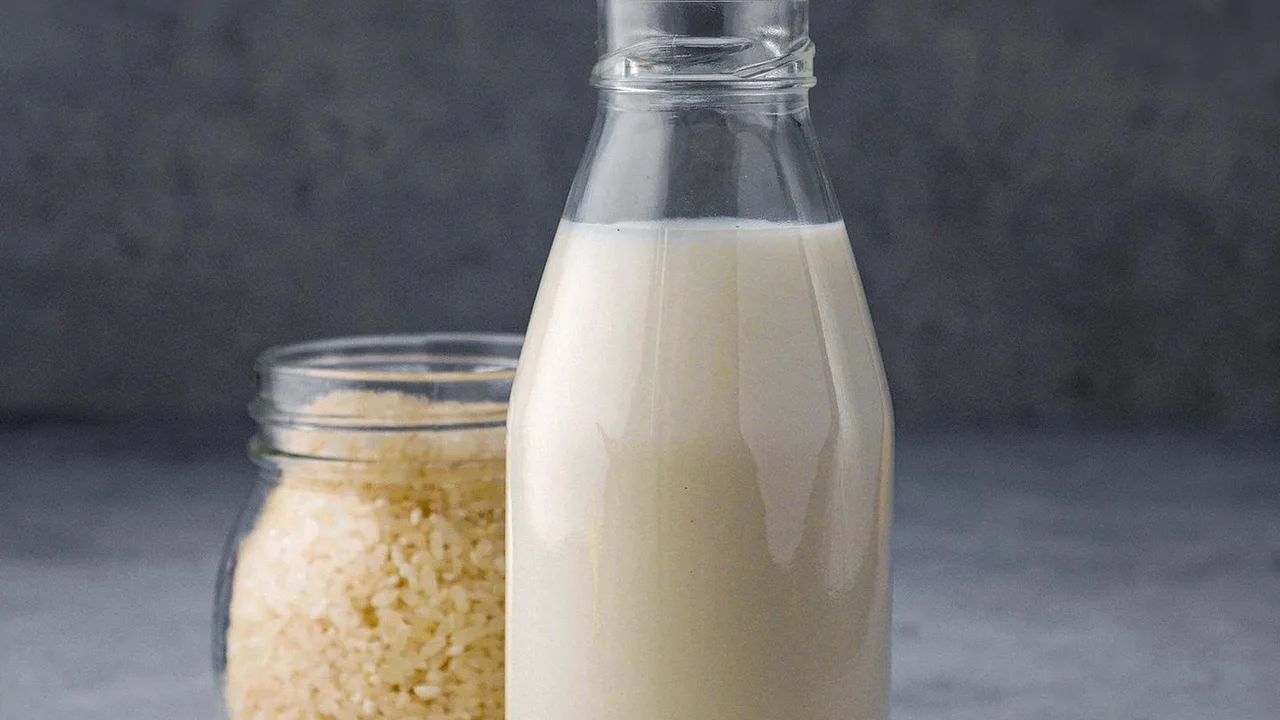
Modern plant-based protein powders overcome the 'incomplete' issue by intelligently combining different plant sources to create a complete and robust amino acid profile. This is a concept known as protein complementation. For instance, by blending pea protein (which is rich in lysine but lower in methionine) with brown rice protein (which is lower in lysine but rich in methionine), manufacturers create a synergistic powder that supplies all nine essential amino acids in sufficient quantities. This blended approach effectively mirrors the amino acid profile of animal proteins. Research has shown that these well-formulated plant protein blends can stimulate muscle protein synthesis just as effectively as whey protein, leading to comparable gains in muscle thickness and strength when combined with resistance training.
Key Players in Plant Protein Powders
The most common stars of plant-based protein blends are pea, rice, and soy. Pea protein is a powerhouse, boasting a high concentration of BCAAs crucial for recovery. Brown rice protein is not only hypoallergenic but also complements pea protein perfectly to create a full amino acid spectrum. Soy protein is another excellent option as it is one of the few plant sources that is naturally a complete protein on its own, containing all nine essential amino acids. By understanding the strengths of each source, companies can formulate powders that are not only effective but also cater to different dietary needs and preferences, being naturally free from common allergens like dairy and lactose.
Digestion, Absorption, and Performance
Another point of discussion has been the bioavailability, or how well the body can absorb and use the protein. While some plant proteins can have slightly lower digestibility compared to whey due to their fibre content, modern processing techniques have significantly improved their absorption rates. In fact, this slower digestion can be an advantage, leading to a more sustained release of amino acids into the bloodstream over a longer period, which can aid in satiety and prolonged muscle support. Studies comparing plant protein blends to whey have found no significant differences in muscle recovery and growth, provided that the total amount of protein and essential amino acids consumed is the same. This confirms that for performance outcomes, a well-formulated plant protein is a powerful and viable tool for any athlete.