




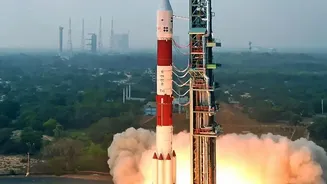
From Monopoly to Mentor: ISRO's New Role
Historically, the Indian Space Research Organisation (ISRO) was the sole architect of India's space ambitions, from building rockets to launching satellites. This model secured India's place as a major space-faring nation, marked by incredible, cost-effective
achievements like the Mars Orbiter Mission and Chandrayaan-3's lunar south pole landing. However, the global space economy, projected to be worth trillions, demanded a new approach. In June 2020, the Indian government initiated landmark reforms to open the sector to private enterprise. The goal was to transition ISRO from being the primary operator to a facilitator and research powerhouse, nurturing a new ecosystem of startups and established companies to accelerate innovation and capture a larger share of the global market.
The Twin Engines of Change: IN-SPACe and NSIL
Two key organisations are driving this transformation: the Indian National Space Promotion and Authorisation Centre (IN-SPACe) and NewSpace India Limited (NSIL). Established in 2020, IN-SPACe acts as a single-window agency to promote, authorise, and supervise the activities of private space companies. It hand-holds startups, providing access to ISRO's invaluable facilities and expertise. NSIL, on the other hand, is the commercial arm of ISRO. Its mandate is to commercialise ISRO's technologies, manage launch services on a demand basis, and secure international clients, effectively acting as a bridge between ISRO's proven capabilities and the market.
Meet India's New Space Pioneers
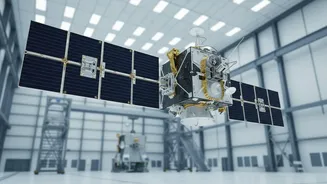
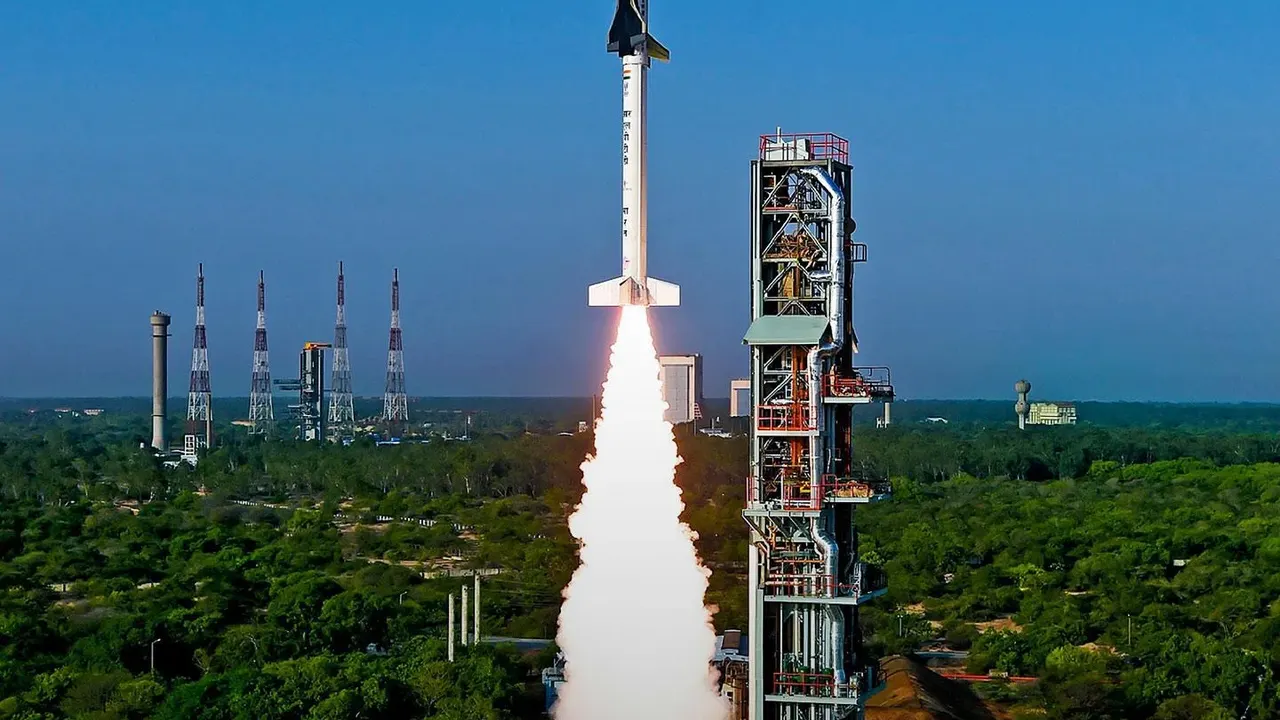
The policy shift has unleashed a wave of entrepreneurial energy, with the number of Indian space startups growing from just one in 2014 to over 400 by 2026. Companies like Skyroot Aerospace and Agnikul Cosmos are at the forefront of developing private launch vehicles. Skyroot made history in July 2026 with the successful orbital launch of its Vikram-1 rocket, a first for an Indian private company. Agnikul is also making strides with its 3D-printed rocket engines. In the satellite sector, companies like Pixxel are building constellations for high-resolution earth imaging, while Digantara is focused on space situational awareness to track orbital debris. These ventures are not just building hardware; they are creating new business models for space-based data and services.
The Billion-Dollar Opportunity
The economic stakes are enormous. India's space economy, currently valued at around $8.4 billion, is projected to reach between $40 billion and $45 billion by the next decade, with an ambitious target of $100 billion by 2040. The government aims to increase India's share of the global space economy from its current 2-3% to 8% by 2030. This growth is being fuelled by policy support, including liberalised FDI norms that allow up to 100% foreign direct investment in key areas like satellite manufacturing. This infusion of capital and technology is expected to create high-skilled jobs and make India a globally competitive hub for space manufacturing and services.
Challenges on the Launchpad
Despite the momentum, the path forward has its challenges. Indian space startups still face hurdles in securing the large-scale, long-term funding required for capital-intensive space projects. While a significant achievement, the private launch sector is still nascent and must prove its reliability and commercial viability to compete with established global players. Furthermore, a comprehensive legislative framework covering aspects like liability and insurance is still developing. Overcoming these obstacles will be crucial for the industry to move from successful demonstrations to a sustainable, large-scale commercial ecosystem.