
The Science of 'Cooling'
In India, dahi is celebrated for its 'cooling' effect, a concept rooted in Ayurvedic tradition. While the fermentation process gives curd a warming quality that aids digestion, its inherent properties are considered cooling, helping to pacify body heat,
especially during hot weather. This makes it a go-to ingredient for balancing spicy meals and soothing the system. The key, according to tradition, is to consume it during the daytime, as having it at night is believed to be heavy on digestion.
Raita: The Quintessential Sidekick
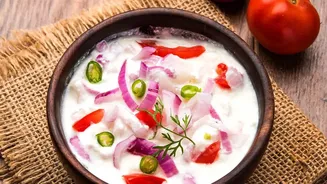
When most people think of curd in Indian food, raita is often the first thing that comes to mind. Raita is a condiment made from dahi mixed with a variety of raw or cooked vegetables, fruits, and spices. Its primary role is to act as a cooling counterpoint to the robust spices of main dishes like biryani, pulao, or fiery curries. Common variations include cucumber raita, which is deeply refreshing; boondi raita, featuring tiny, crispy chickpea flour balls; and a simple onion-tomato raita that provides a crunchy, tangy contrast.
Dahi Vada: A Festive Favourite
Dahi vada, also known as dahi bhalla in regions like Punjab, is a beloved chaat or snack. It consists of soft, fluffy fritters made from ground lentils (urad dal), which are deep-fried and then soaked in water to soften them further. These vadas are then submerged in a thick, creamy, and often lightly sweetened yogurt. The dish is finished with a drizzle of sweet tamarind chutney and spicy green chutney, along with a sprinkle of roasted cumin powder and chilli powder, creating a multi-layered explosion of sweet, savoury, tangy, and spicy flavours in every bite.
Kadhi: A Comforting Curd Curry
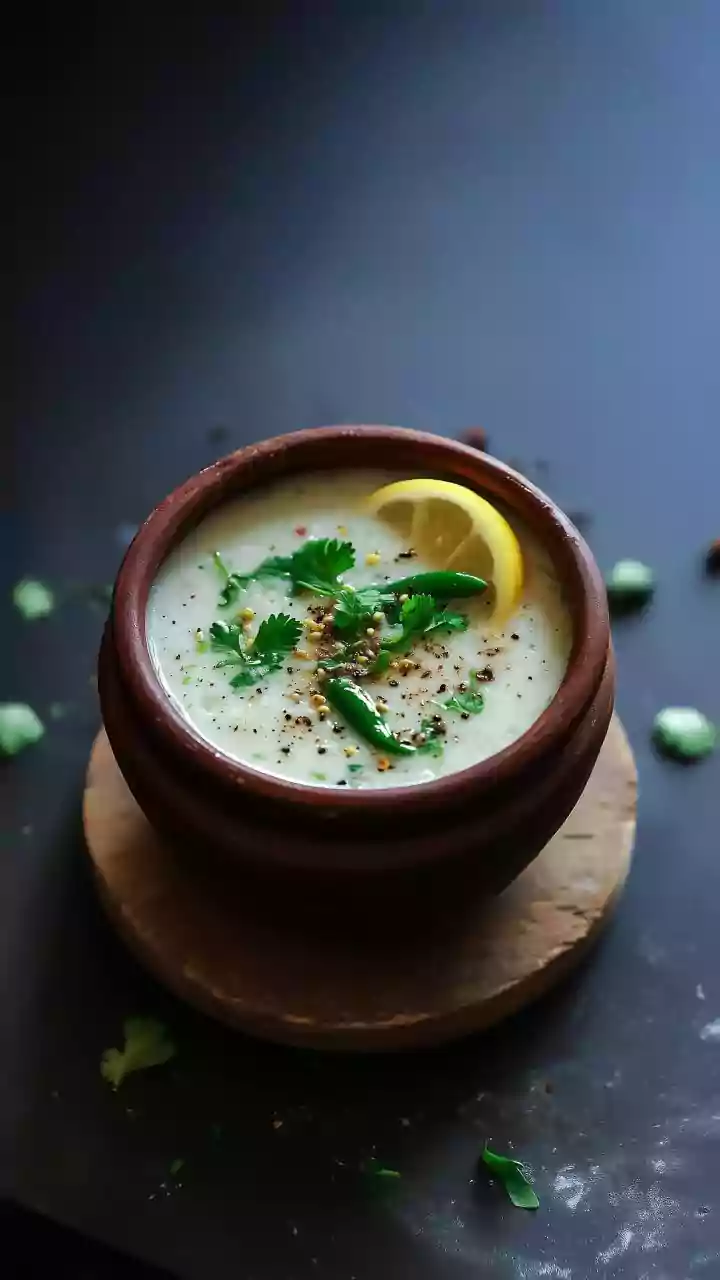
Kadhi is a soulful, curry-like dish with a yogurt and gram flour (besan) base that is popular across India, with numerous regional variations. Originating in Rajasthan, it was a clever way to create a nourishing meal in an arid region with few fresh vegetables. The Punjabi version is thick and often includes fried vegetable fritters called pakoras, making for a hearty meal when served with rice (kadhi chawal). In contrast, Gujarati kadhi is thinner, sweeter, and typically does not contain pakoras, offering a lighter but equally comforting experience.
Lassi and Chaas: The Essential Drinks
Curd also forms the base of two of India's most popular traditional beverages: lassi and chaas. Lassi is the thicker, creamier of the two, made by blending yogurt with water or milk. It can be sweet, salty (namkeen), or flavoured with fruits like mango. Chaas, on the other hand, is known as buttermilk. It is much thinner and more watery, often the liquid left over after churning butter from cream. Typically savoury, it is flavoured with salt, roasted cumin, and fresh herbs like mint or coriander, and is valued as a light, refreshing digestive aid.
Shrikhand: A Sweet and Creamy Indulgence
On the dessert menu, curd transforms into the decadent and luxurious shrikhand, a specialty of Maharashtra and Gujarat. To make it, dahi is strained for several hours in a muslin cloth to remove all the whey, resulting in a thick, concentrated yogurt mass called 'chakka'. This is then whisked with sugar and delicately flavoured with saffron, cardamom, and sometimes nutmeg. Garnished with slivered pistachios and almonds, shrikhand is a rich, creamy, and aromatic dessert often enjoyed with hot, puffy puris.