
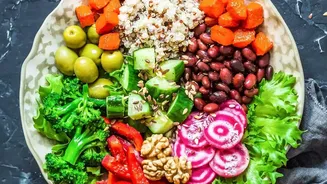

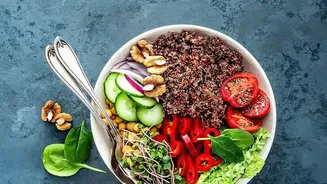
Feeling that 3 PM slump? Your lunch might be the culprit. A meal low in protein can leave you feeling tired and unfocused. Swapping to a protein-rich vegetarian lunch is the key to sustained energy and a more productive afternoon.
Why Protein at Lunch Matters
Protein is a crucial
macronutrient that plays a vital role in building and repairing tissues, but its most immediate benefit at lunchtime is satiety. A lunch rich in protein helps you feel fuller for longer, curbing the desire for unhealthy snacks and preventing the dreaded afternoon energy crash. Many traditional Indian vegetarian meals can be carbohydrate-heavy, but a few simple adjustments can transform your lunch into a powerhouse of sustained energy. The goal isn't to eliminate carbs, but to balance them with adequate protein to keep your blood sugar stable and your mind sharp.
Embrace Pulses and Legumes
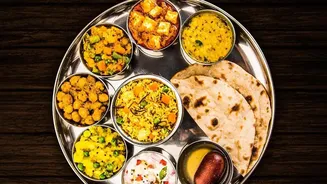
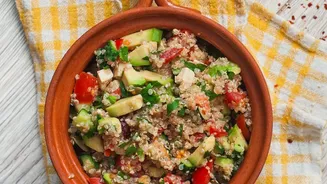
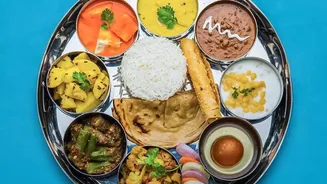
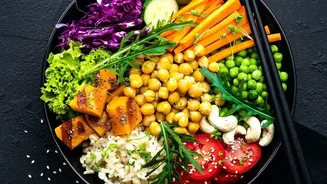
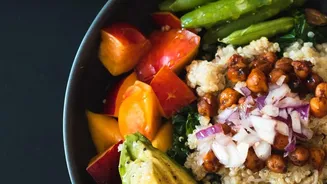
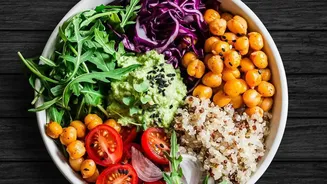
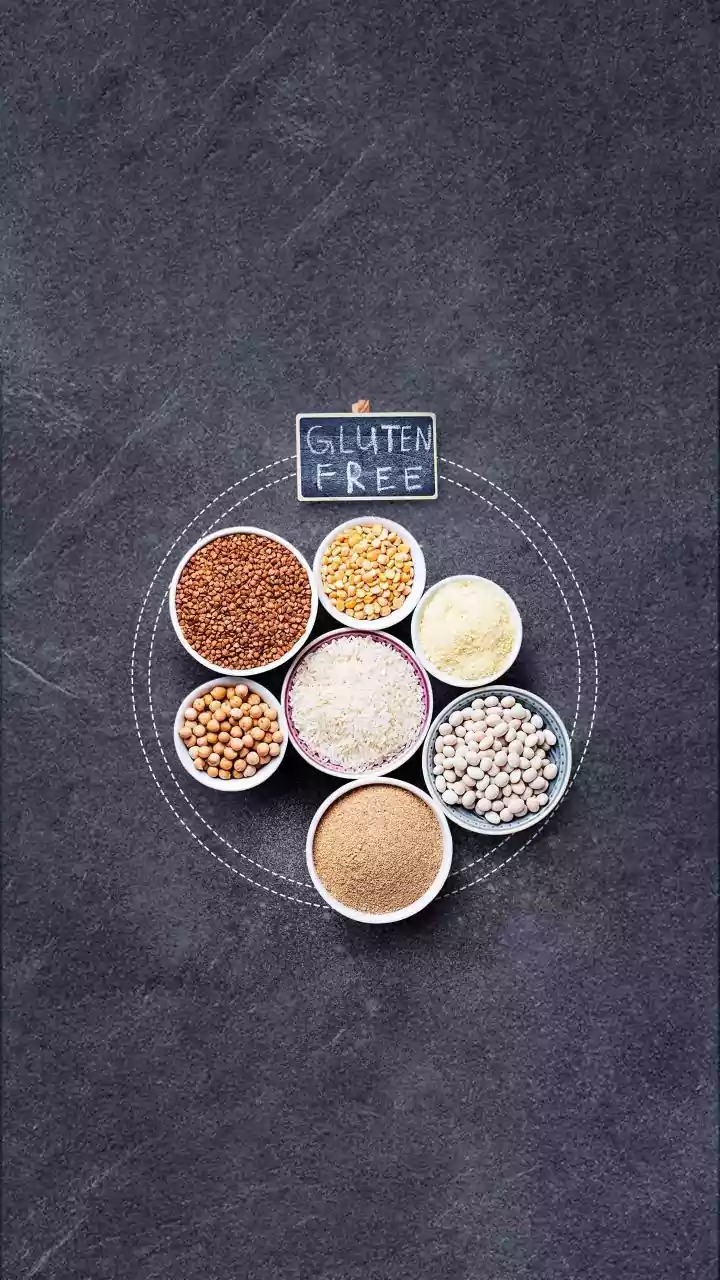
Dals, chickpeas, and beans are the foundation of Indian vegetarian protein. A single katori of cooked dal can provide between 7 to 10 grams of protein, depending on its thickness. Masoor dal (red lentil) and moong dal are particularly protein-dense, containing about 24-26 grams of protein per 100g when raw. For lunch, think beyond just dal and rice. A hearty rajma bowl with brown rice, a refreshing chickpea salad with chopped cucumber and tomatoes, or even moong dal chillas (savoury crepes) are excellent ways to pack in protein. Combining legumes with grains like rice or roti creates a complete amino acid profile, a cornerstone of traditional Indian vegetarian diets.
Paneer and Tofu: The Power Blocks
Paneer is a vegetarian favourite for good reason. A 100g serving of paneer can offer a substantial 18-20 grams of protein. This makes it one of the most efficient protein sources available. A simple paneer bhurji (scrambled paneer) with rotis or a paneer tikka salad can easily meet a significant portion of your midday protein needs. Tofu, made from soybeans, is another fantastic option, especially for those looking for a lower-calorie or vegan alternative. While firm tofu provides around 8-10g of protein per 100g, it’s lighter in fat. A palak tofu curry or a tofu stir-fry are both delicious and nutritious lunch choices. You can even crumble tofu and use it in wraps or rice bowls.
Don't Forget Dairy and Seeds
Yogurt, especially thick or Greek-style yogurt, is a simple, no-cook way to boost your lunch's protein content. A serving can act as a creamy dip, a side dish (raita), or the base of your meal. You can top a bowl of yogurt with nuts and seeds for added texture, healthy fats, and even more protein. Seeds like pumpkin, sunflower, and chia are small but mighty. Sprinkling a tablespoon or two over a salad, dal, or yogurt bowl is an effortless way to increase your protein intake while also adding valuable fibre and micronutrients.
Rethink Your Grains and Vegetables
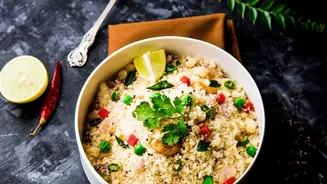
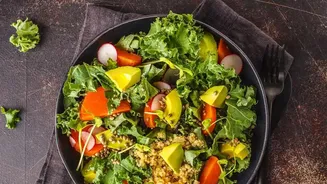
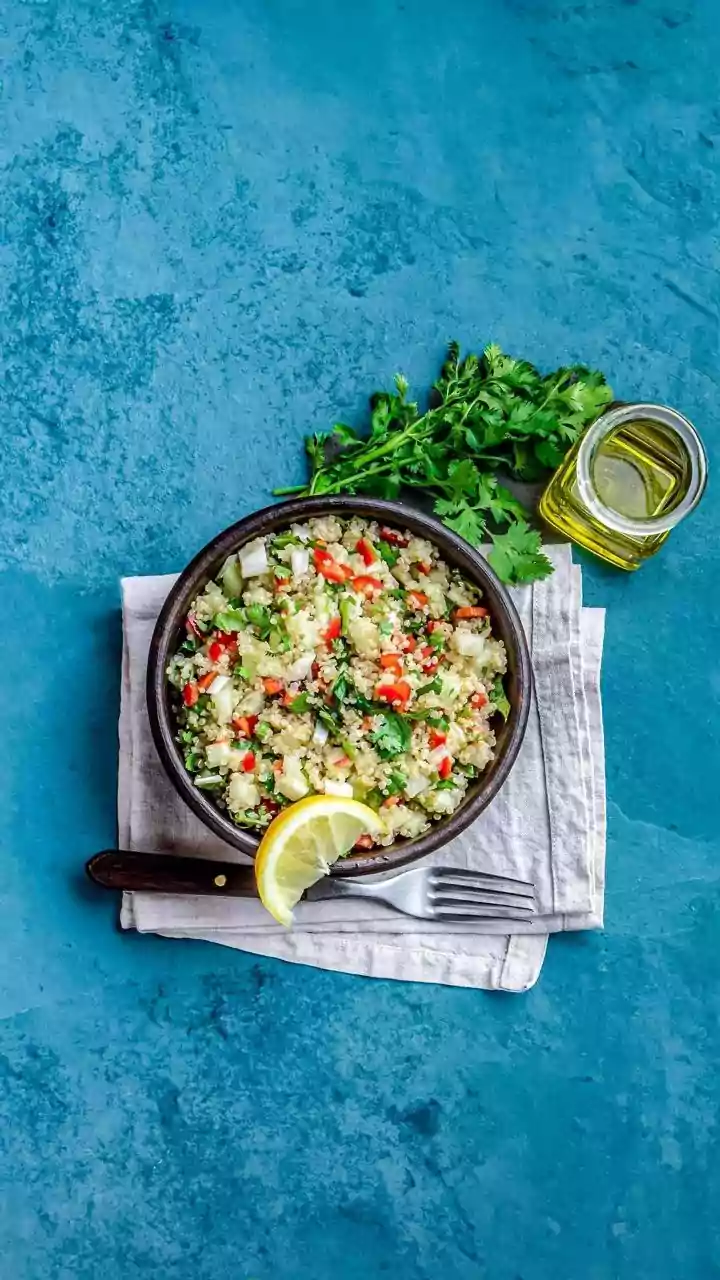
While the main focus is on primary protein sources, your choice of grains and vegetables also contributes to the total protein on your plate. Grains like quinoa are complete proteins, meaning they contain all nine essential amino acids. Swapping regular rice for a quinoa vegetable pulao can make your meal more nutritionally dense. Similarly, millets like foxtail or kodo can be used to make upma, adding more protein and fibre than traditional rava. Even vegetables like peas and spinach contribute to your overall protein count, reinforcing the benefit of a diverse and colourful plate.
Putting It All Together
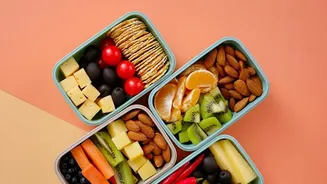
Building a highprotein vegetarian lunch is about smart combinations. Aim to have a primary protein source as the star of your meal. A simple formula for a balanced tiffin is : one primary protein (like a bowl of dal , a serving of paneer , or a chickpea salad) , a complex carbohydrate (like brown rice , millet , or wholewheat rotis) , and plenty of fibrous vegetables . Meal prepping can be a huge help ; you can boil legumes , chop vegetables , or make a batch of dal batter for chillas in advance to make weekday lunches quick and easy.