




From Overwhelm to Balance
For years, the pressure on home cooks has been to innovate constantly. We were encouraged to seek out obscure superfoods, master complex techniques, and recreate restaurant-level dishes. But a quieter, more practical trend is taking hold. It’s a collective
move away from culinary performance and towards simple, nutritional balance. The goal is no longer to impress, but to nourish and feel good consistently. This shift is partly a response to the rising cost of living, which makes novelty ingredients a luxury, and partly a reaction to the burnout from years of high-pressure cooking trends. People are rediscovering that a satisfying meal doesn’t require something new, but rather the right combination of what’s already familiar.
What Does a 'Balanced Plate' Mean?
The idea of a balanced plate is a simple visual guide to building a healthier meal without complicated rules or calorie counting. Experts from organizations like Harvard's School of Public Health suggest a straightforward framework: fill half your plate with vegetables and fruits, a quarter with lean protein, and the final quarter with whole grains or starches. This approach ensures you naturally get a mix of essential macronutrients—carbohydrates, protein, and fats—along with crucial fibre, vitamins, and minerals. Protein provides lasting fullness, fibre from vegetables supports gut health, and whole grains offer steady energy. Adding a small amount of healthy fat, like from avocado or olive oil, helps with nutrient absorption and makes the meal more satisfying.
Finding Balance in the Indian Kitchen
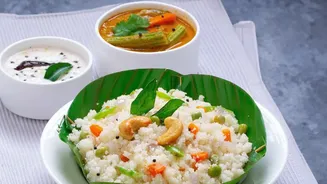
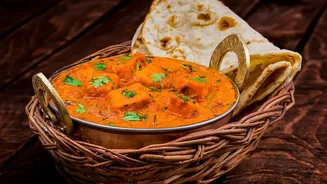
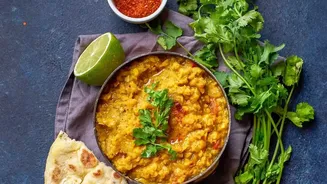
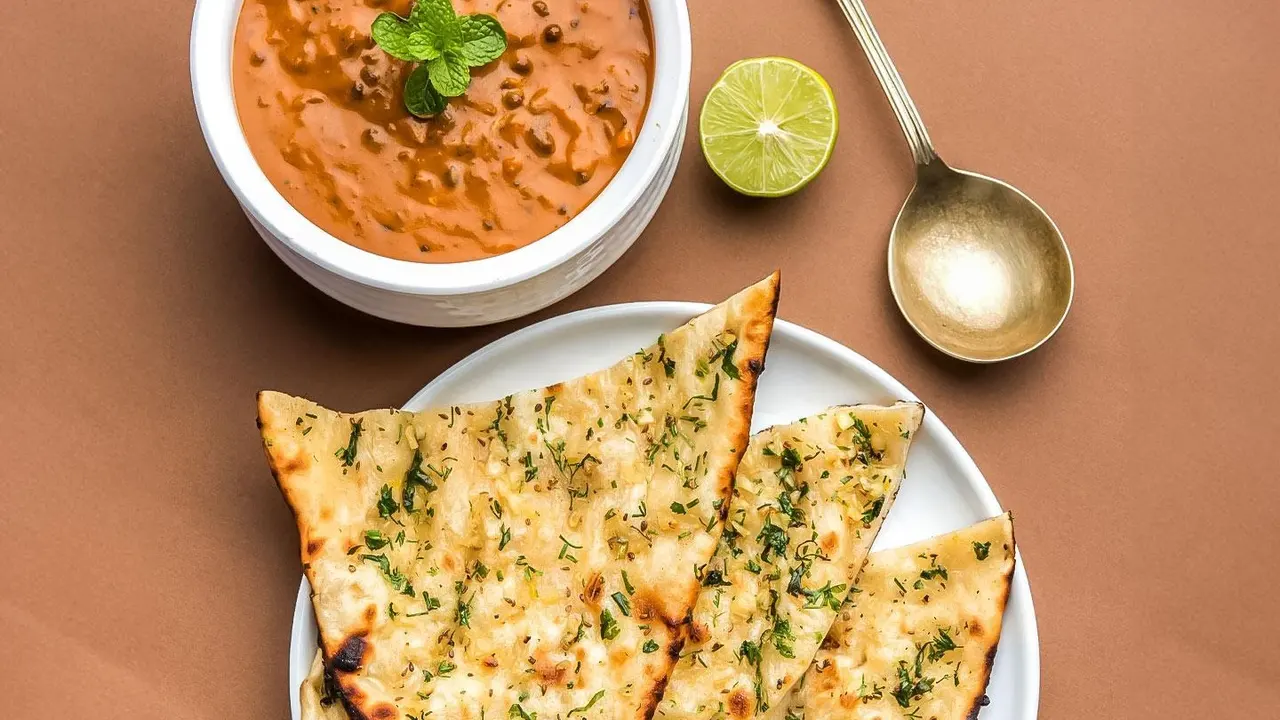
For anyone familiar with traditional Indian food, this concept is anything but new. The Indian thali is a masterclass in balanced eating. A typical thali is designed to provide a complete meal on one platter, naturally incorporating all the key components. It includes a carbohydrate (rice or roti), a protein (dal or a lentil curry), vegetables (sabzi), and often a probiotic element like curd or raita. This combination doesn't just deliver a mix of nutrients; it is also designed to satisfy all six tastes outlined in Ayurveda—sweet, sour, salty, bitter, pungent, and astringent—which is believed to aid digestion and nutrient absorption. Rather than looking for new trends, many are simply looking back at this time-tested template for a complete, nourishing meal.
Simple Swaps for Better Daily Meals
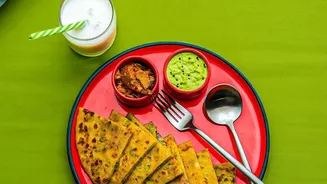
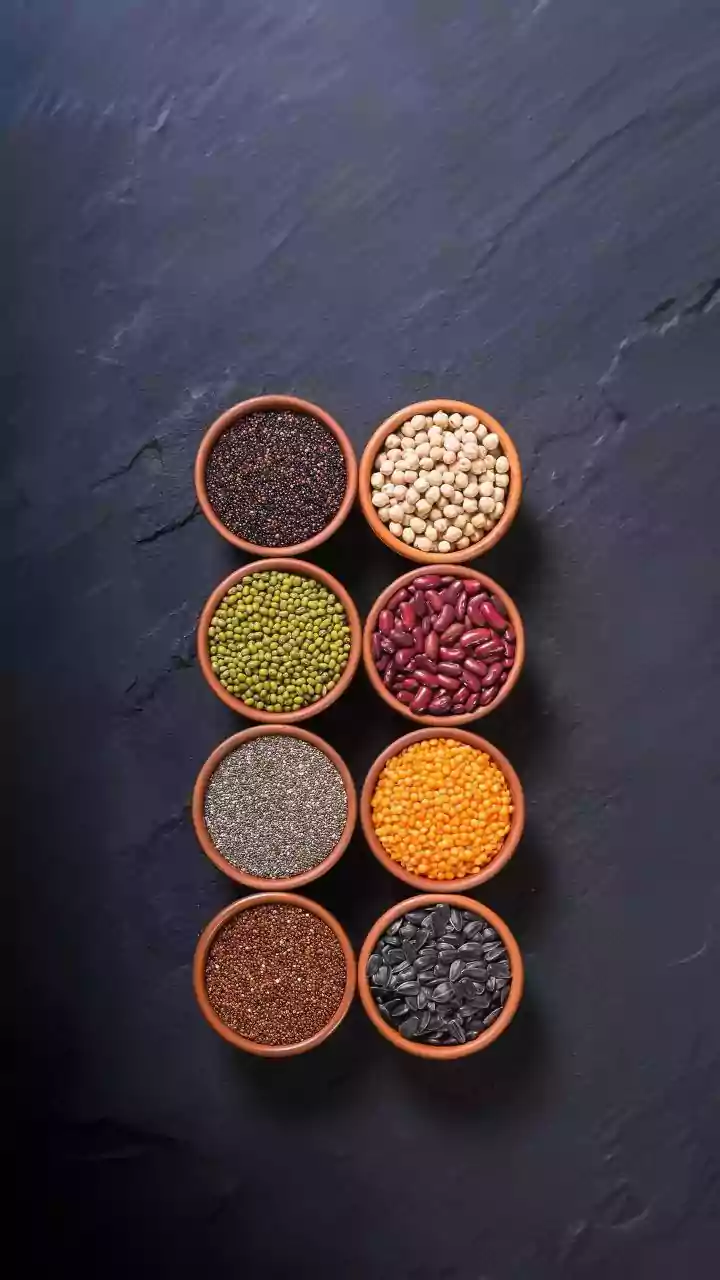
Embracing this trend doesn't require a complete overhaul of your cooking habits. It's about making small, nutrient-dense additions. Think about bulking up dishes you already make. Add a handful of chickpeas or spinach to a pasta sauce, or mix lentils into your regular rice. Instead of a side of plain rice, consider a simple vegetable pulao. Swapping refined flour rotis for whole wheat or multigrain versions is another easy win. You can also focus on nutrient-dense shortcuts, like using pre-cooked beans or lentils, frozen vegetables, and versatile ingredients like eggs or tofu to ensure every meal has a solid protein base without adding stress. The idea is to enhance, not replace, the meals you already enjoy.
Mindful Cooking for a Calmer Kitchen
This trend extends beyond just what's on the plate; it's also about the cooking process itself. Mindful cooking is the practice of being fully present while preparing food—paying attention to the colours, scents, and textures of the ingredients. It transforms cooking from a daily chore into a calming, meditative activity. This approach encourages simplicity and letting go of the pressure for perfection. When you focus on the process, you naturally gravitate towards simpler meals that are enjoyable to make, not just to eat. It’s about rediscovering the joy in nourishing yourself and your family, turning the kitchen back into the heart of the home.