





What Are the Proposed BS-VII Norms?
The Ministry of Road Transport and Highways has released draft rules for BS-VII emission standards, which are set to be the most stringent in India's history. Aligned with the tough Euro 7 standards, these norms aim to further reduce harmful pollutants
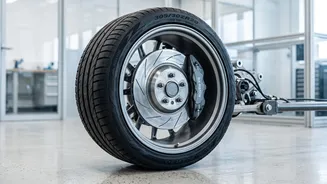
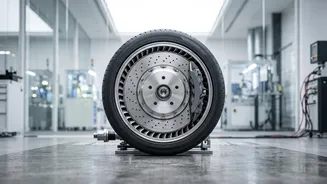
from vehicle exhausts. Unlike the major jump from BS-IV to BS-VI in 2020, this next phase focuses heavily on strengthening the monitoring and real-world performance of vehicles, rather than just hitting targets in a lab. A key change is that the rules will now also regulate non-exhaust emissions, such as microscopic particles from brake wear and tyre abrasion, which are sources of pollution even for electric vehicles.
A Phased Rollout Plan
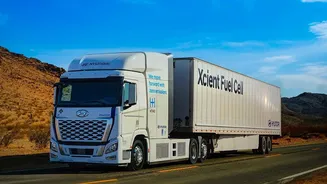
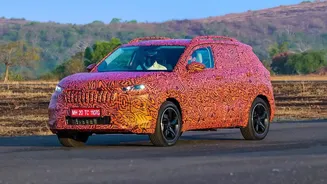
The government has proposed a gradual, multi-phase implementation to give the auto industry and testing agencies adequate time to adapt. The first phase is slated to begin on April 1, 2029, for all new passenger cars and SUVs (M1 category vehicles). This will be followed by light commercial vehicles and pick-up vans in 2030. Finally, new heavy-duty vehicles like buses and trucks will need to comply starting from April 2031. A separate timeline for two-wheelers, which are a major contributor to urban pollution, will be announced at a later date. It is important to note that these new rules will only apply to vehicles manufactured after these dates; existing vehicles, including BS-VI models, will not be affected.
Beyond the Tailpipe: What's New?
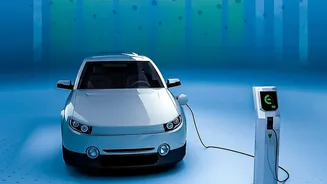
The BS-VII proposal introduces several significant changes. For passenger cars, while many core exhaust pollutant limits like for NOx and CO remain similar to BS-VI, the focus shifts to finer details and real-world conditions. The rules will now measure much smaller particulate matter, down to 10 nanometres, which can penetrate deeper into the lungs. Vehicles will need advanced On-Board Monitoring systems to continuously track emissions in real-time and alert drivers. For the first time, the regulations will also cover electric vehicles by setting durability standards for their batteries. An 'Environmental Vehicle Passport' is also proposed, which will give consumers clear information on a vehicle's emissions, fuel consumption, and battery health.
Impact on Car Buyers and the Auto Industry
For consumers, the biggest question is cost. While the exact price impact is not yet known, implementing advanced engine technology, more sophisticated filters, and onboard monitoring systems will likely increase manufacturing costs. This could translate to higher showroom prices for new vehicles. The auto industry has expressed some concern over the proposed 2029 timeline, noting that it provides a tight window for research, development, and testing, especially after the recent major investment for the BS-VI transition. However, unlike the BS-VI rollout, the new norms are not expected to require changes in fuel refinery infrastructure, which is a significant relief.
Why This Matters for India's Future
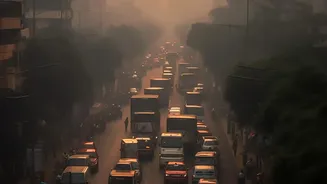
The push for BS-VII norms is a critical step in addressing India's severe air pollution crisis, particularly in urban centres. Tighter control on pollutants like nitrogen oxides and fine particulate matter is directly linked to better public health outcomes. Furthermore, the new rules introduce a 'whole-life' approach to compliance, ensuring vehicles remain low-emission not just when they are new, but for up to 200,000 km or 10 years. By aligning with global standards like Euro 7, India reinforces its commitment to environmental goals and pushes its domestic auto industry towards creating more technologically advanced and efficient vehicles for both local and global markets.