






A Rejection of Formality
For many, the formal living room—with its stiff, upright sofas and do-not-touch decor—is a relic of the past. Gen Z, the generation that grew up with digital-first social lives, is translating that preference for casual interaction into their physical
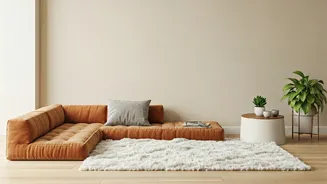
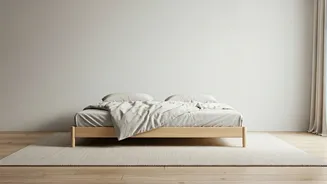
spaces. Low floor seating inherently breaks down social hierarchies. There's no 'head of the table' or prized armchair. Instead, everyone sits at the same level, fostering a more intimate and egalitarian atmosphere. It’s a design choice that says, 'Come in, get comfortable, stay a while.' This style is less about impressing guests and more about creating a genuine sanctuary for connection and relaxation, a direct counter-response to the often performative and curated spaces of previous generations.
The Economics of Small Spaces
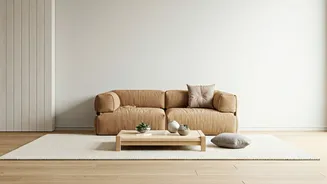
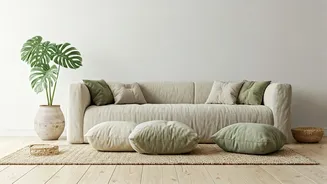
Let's be practical: real estate is expensive, and first homes or apartments are often short on square footage. The low-seating trend is a brilliant spatial hack. Traditional, bulky furniture can dominate a small room, making it feel cramped and cluttered. In contrast, low-profile sofas, floor cushions, and pouffes create an illusion of spaciousness. By leaving more vertical space empty, they make ceilings appear higher and the room feel more open and airy. This aesthetic is not just about a 'vibe'; it’s a savvy response to economic realities. Low seating options are often more affordable and modular, allowing young people to furnish their homes stylishly without breaking the bank or committing to heavy pieces they can't move easily.
A Global Influence, Digitally Delivered
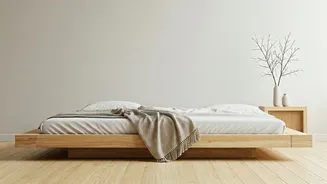
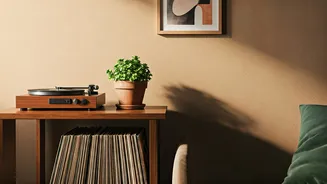
The move towards floor-oriented living isn't a new invention; it's a rediscovery and reinterpretation of global traditions, supercharged by the internet. The aesthetic borrows heavily from Japanese interior design principles, which favour minimalism and a connection to the ground. It also echoes the communal warmth of Middle Eastern 'majlis' culture and the traditional Indian 'baithak' or 'diwan' setups, where low seating arrangements have been central to social life for centuries. Thanks to platforms like Pinterest and TikTok, these diverse cultural influences are no longer distant concepts. They are part of a global visual library that Gen Z is drawing from to create homes that are eclectic, personal, and globally aware.
Wellness and The Comfort-First Mindset
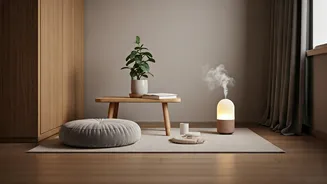
Beyond aesthetics and economics, the trend speaks to a generation that prioritises wellness and mental health. A home is increasingly seen as a refuge from a chaotic world, and comfort is paramount. Lounging on a floor cushion is physically less rigid than sitting bolt upright in a dining chair. This style encourages a more relaxed posture and a state of ease. It creates multi-purpose zones for meditation, reading, working on a laptop, or hosting a movie night with friends sprawled across the floor. In a way, the furniture itself is a form of self-care, a physical manifestation of the desire to de-stress and unwind in a space that feels safe, nurturing, and completely one's own.