

Say Hello to the Planets
Late summer and early autumn offer a fantastic opportunity to spot some of our solar system neighbours. Venus is brilliantly visible as a bright, steady light in the western sky shortly after sunset. But the real star of the late-night show is Saturn.
Rising in the evening, it will be perfectly visible for hours. Even a basic pair of binoculars might reveal its famous rings, a sight that never fails to impress. Mars, with its distinct reddish hue, joins the party in the early morning hours, getting higher and easier to spot as we move into September. Jupiter also makes an appearance in the pre-dawn sky, although it will be low on the horizon. Unlike stars that twinkle, planets shine with a constant, unwavering light, making them easy to distinguish.
Discover the Summer Triangle
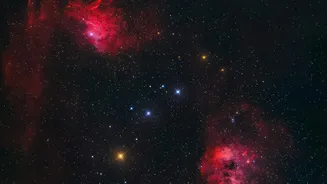
One of the most recognisable patterns in the late summer sky is the Summer Triangle. It’s not a constellation, but an asterism—a simple shape made from the brightest stars of three separate constellations. Look high overhead for three brilliant stars: Vega (in the constellation Lyra), Deneb (in Cygnus, the Swan), and Altair (in Aquila, the Eagle). The trio is so bright that it's visible even from light-polluted urban areas. The Summer Triangle is a great navigational tool for beginners. Once you find it, you can start to trace the shapes of the surrounding constellations and a whole new map of the sky will begin to unfold before your eyes.
Gaze into the Heart of the Milky Way
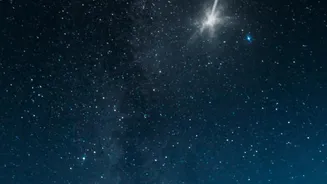
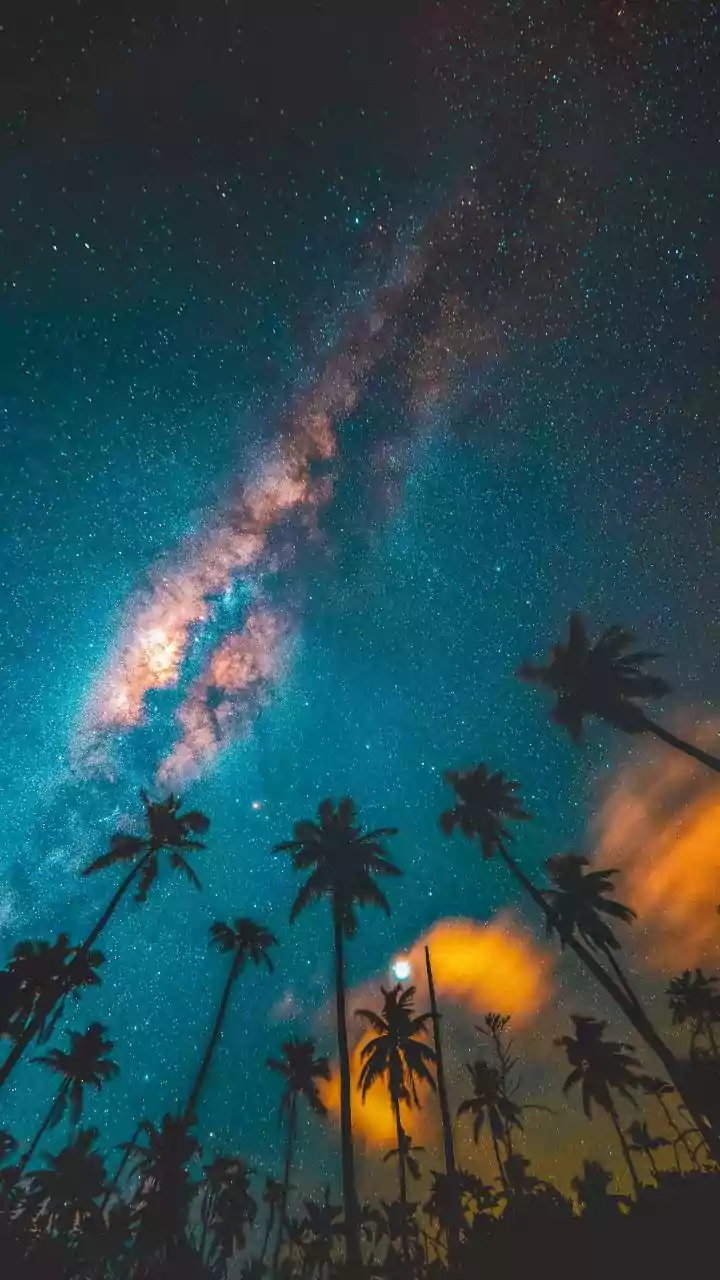
Late summer provides the best viewing window for the most breathtaking sight of all: the core of our own galaxy, the Milky Way. The Perseids occur when the Earth is perfectly positioned to see this dense, dusty band of stars stretching across the sky. To see it, however, you must escape the glare of city lights. The best views are found in designated dark-sky reserves or remote rural locations like those in Ladakh, Spiti Valley, or the Rann of Kutch. On a clear, moonless night, the Milky Way appears as a faint, glowing cloud. The best time for viewing is between March and October. Even without a telescope, the sheer scale of our galaxy arching overhead is a truly humbling experience.
Watch for Autumn's Shooting Stars
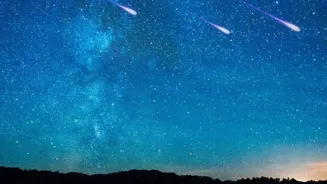
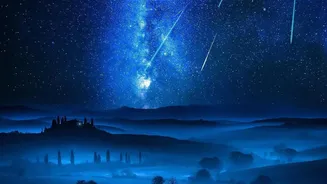
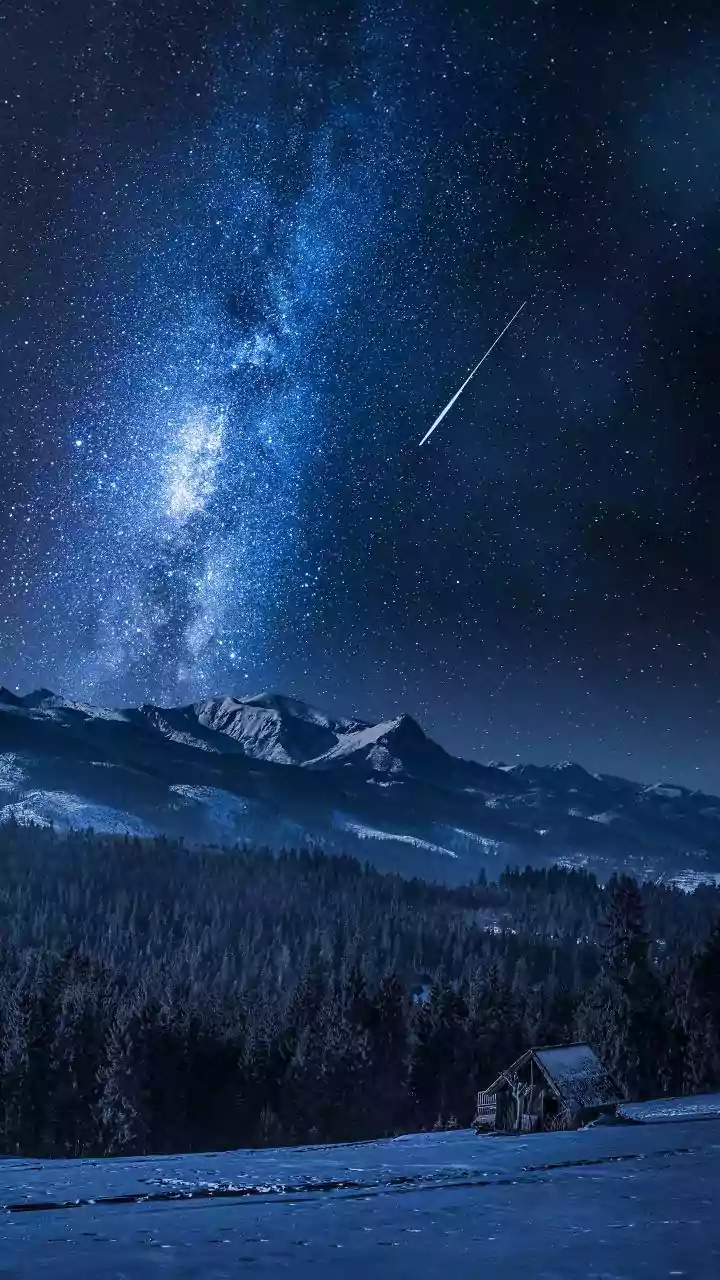
While the Perseids are famous for their high numbers, they are far from the only meteor shower on the calendar. As autumn approaches, several other showers will grace the night sky. Keep an eye out for the Orionids, which peak around October 21-22. Though a bright moon might interfere slightly in 2026, you can still catch some of its fast, bright meteors in the hours before dawn. Then come the Taurids in early November and the Leonids in mid-November, both known for producing exceptionally bright meteors, or fireballs. Finally, the year closes with the Geminids in mid-December, which are considered the most reliable and prolific shower of the year, sometimes producing over 100 meteors per hour under dark skies.
Arm Yourself with the Right Tools
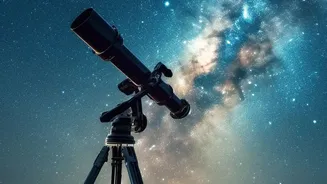
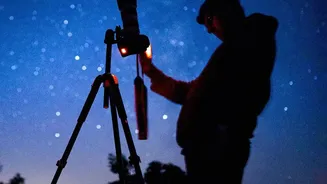
You don't need an expensive telescope to become a seasoned stargazer. The most powerful tool is likely already in your pocket. Smartphone apps like Stellarium, Star Walk 2, and SkyView Lite use your phone's GPS and compass to create a real-time map of the sky. Simply point your device at a bright object, and the app will identify it for you, whether it’s a planet, a star, or a satellite. These apps are fantastic for learning constellations and finding out what's visible on any given night. For a closer look, a simple pair of binoculars is a great starting point. They are perfect for getting a more detailed view of the Moon's craters, seeing the four largest moons of Jupiter, or just sweeping across the star-rich fields of the Milky Way.