




The Big Pack Temptation
We’ve all been there: standing in the supermarket, comparing a 1-litre pouch to a 5-litre can. The larger pack almost always boasts a lower price per litre, making it feel like the smartest financial choice. Buying in bulk promises convenience and savings,
reducing the number of trips to the store. For large families or those who cook frequently, a 5-litre tin or even a larger pack can be a sensible and economical option. However, for smaller households, this seemingly savvy move can backfire. The problem isn't the price; it's the practicality. Before you get swayed by the unit price, it's crucial to consider a hidden cost: freshness. Cooking oil, like any food product, does not last forever, and its quality deteriorates once the seal is broken.
When Bigger Isn't Better: The Freshness Factor
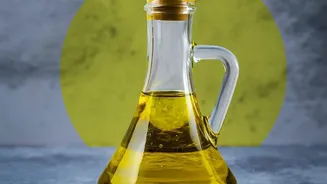
Once you open a container of cooking oil, it is exposed to oxygen, light, and heat, all of which trigger a process called oxidation. This process not only degrades the nutritional value of the oil but also turns it rancid over time. Rancid oil has an unpleasant smell and a sour or sharp taste that can ruin your dishes. More importantly, consuming it can be detrimental to your health. While an unopened bottle of oil can last for up to two years, its shelf life shortens dramatically after opening. Most experts suggest using opened oil within a few months — a timeline that a small family might struggle to meet with a large 5-litre can. Using oil that has gone bad is not just a waste of money; it's a health risk you don't want to take.
Matching Pack Size to Your Household
So, what’s the right size for you? The answer depends on your family's size and cooking habits. A recent government mandate has standardised cooking oil pack sizes in India, making comparisons easier. Here's a simple guide: Individuals or Couples (1-2 members): A 1-litre pack is often the most practical choice. It's large enough to last for a reasonable period without sitting around for too long. If your oil usage is very low, a 500 ml bottle or pouch might be even better to ensure you're always using fresh oil. Small Families (3-4 members): A 2-litre pack usually hits the sweet spot for a family of this size. It offers a good balance between cost savings and the ability to use it up before it loses its freshness. For families that deep-fry often, a 5-litre can might be manageable if consumed within a couple of months. * Large or Joint Families (5+ members): This is where bulk buying makes the most sense. A 5-litre can is standard, and for very large households, even 10-litre or 15-litre packs could be economical, provided you have proper storage and high consumption rates.
Your Cooking Style Matters Too
Beyond the number of people you're feeding, how you cook plays a major role. If your family enjoys frequent deep-fried treats like puris, samosas, or pakoras, your oil consumption will naturally be higher. In this case, you might need to size up your oil pack compared to a family that primarily uses oil for tadkas, stir-frying, and light sautéing. On average, per capita edible oil consumption in India is around 19.7 kg annually, but this varies widely based on regional cuisines and individual habits. A family that uses oil sparingly for health reasons should stick to smaller packs to avoid spoilage, regardless of household size.
Smart Storage for a Longer Shelf Life
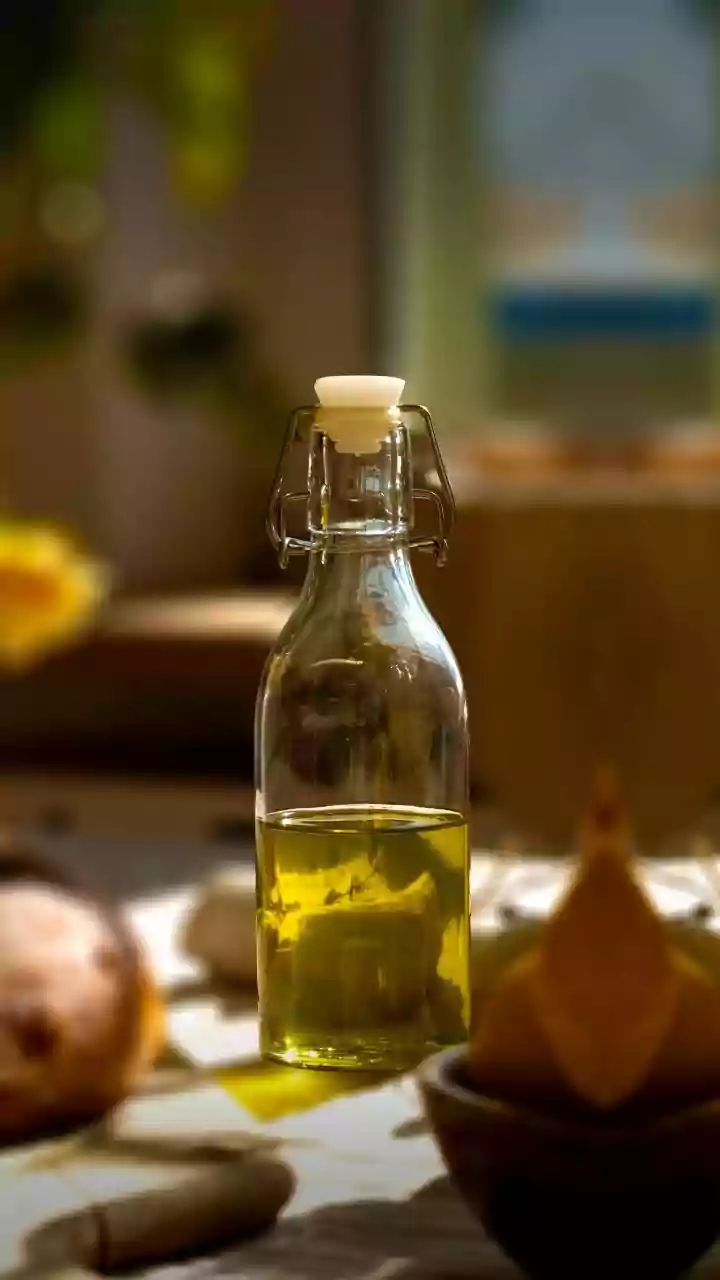
No matter what size you buy, proper storage is key to keeping your cooking oil fresh. The three enemies of oil are heat, light, and air. Always store your oil in a cool, dark place like a kitchen cabinet, away from the stove and any windows. After each use, ensure the cap is sealed tightly to minimise exposure to air. If you buy a large tin, a great practice is to decant a smaller amount into a dark, airtight bottle for daily use. This keeps the bulk of your oil protected from constant exposure to the elements, preserving its quality for much longer.