






Why Walk Barefoot?
Advocates for barefoot walking often point to a range of benefits, from the physical to the mental. Walking without the barrier of a shoe sole allows the hundreds of nerves in your feet to receive direct feedback from the ground, which can improve your proprioception—your
body's awareness of its own position in space. This enhanced sensory input may lead to better balance and a more natural gait. Over time, walking barefoot can also strengthen the small, intrinsic muscles in your feet and ankles that are often underused in supportive footwear, potentially leading to stronger arches and greater stability. Beyond the physical, many hikers enjoy the feeling of 'grounding' or 'earthing', which is the practice of having direct skin contact with the earth's surface. While research is ongoing, some small studies suggest this connection may help reduce pain and inflammation.
First, Acknowledge the Risks
Before you ditch your boots, it's crucial to be realistic about the potential dangers. The modern world is not always foot-friendly. Obvious hazards include sharp objects like broken glass, thorns, or jagged rocks that can cause cuts and puncture wounds. Uneven terrain can lead to bruises or stubbed toes, and hot surfaces like sun-baked rock or sand can cause burns. There's also a risk of exposure to bacteria or parasites, particularly in unclean areas. People with certain medical conditions, such as diabetes or peripheral neuropathy, should be especially cautious. Reduced sensation in the feet means an injury might go unnoticed, leading to serious complications. The key is not to be fearful, but to be aware and respectful of both the environment and your body's limits.
Choosing Your Path
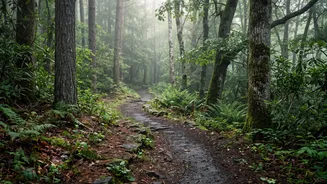
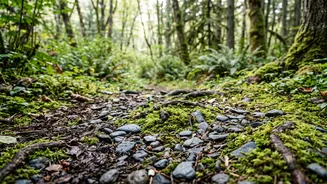
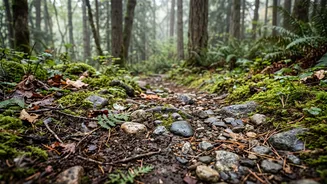
Your first barefoot walk should not be on a rugged mountain trail. The goal is to start soft and slow. Look for forgiving surfaces that allow your feet to adapt gently. Ideal beginner-friendly terrains include lush grass in a clean park, soft forest floors covered in pine needles or moss, and packed sand along a shoreline. Some areas even have designated barefoot parks or trails specifically designed and maintained for this purpose. As a beginner, always choose paths where you can clearly see the ground ahead. This allows you to scan for potential hazards and step mindfully. Avoid areas with a lot of loose gravel, concrete, or places where litter is common. A preliminary scout of the area with shoes on is always a good idea.
The First Steps: A Gradual Start
The most important rule for starting is: do not overdo it. Your feet have likely spent years encased in shoes, so the skin on your soles is soft and the muscles are unaccustomed to this type of work. Begin with very short sessions of just 15 to 20 minutes. Pay close attention to how your body feels. It's normal to feel some new sensations in your arches and calves as dormant muscles wake up. This is not a race or an endurance challenge. The initial focus should be on getting used to the feeling and building tolerance. Bring a pair of minimalist shoes or sandals with you. Barefoot hiking does not have to be an all-or-nothing commitment. If a section of trail becomes too rough or your feet feel tired or sore, it's smart to put your shoes back on.
Post-Hike Foot Care
After every barefoot walk, take a few minutes for foot care. This is a non-negotiable step for safety and hygiene. Wash your feet thoroughly with soap and water to remove any dirt or potential bacteria you may have picked up. While washing, carefully inspect the soles and the areas between your toes for any small cuts, scrapes, splinters, or blisters. Addressing any minor injuries immediately can prevent them from becoming bigger problems. Keeping your toenails trimmed short can also help prevent them from snagging or breaking. If you experience persistent pain, significant cuts, or signs of infection, it's important to consult with a healthcare professional. Listening to your feet is the most critical part of the entire practice.