







Beyond the Landmark: The Rise of 'Doing'
For generations, travel was about ‘seeing’—ticking off destinations from a bucket list. Today, a new philosophy is taking hold: experience-first travel. It’s the difference between seeing a temple and participating in a morning ritual with monks; between eating
at a famous restaurant and learning to cook the dish yourself in a local home. This approach swaps passive sightseeing for active participation, trading crowded checklists for genuine connection and personal growth. The focus is less on where you went and more on what you did, learned, and felt. It’s about collecting stories, not just souvenirs.
The New Indian Traveller's Quest for Meaning
This global shift resonates deeply with the modern Indian traveller. Driven by rising disposable incomes, global exposure through social media, and a craving for unique narratives, Indians are increasingly looking for more than just a getaway. Reports show a clear preference for immersive and activity-led holidays, with travellers planning itineraries around specific experiences rather than just destinations. The desire is for authenticity and personal enrichment—whether that's a wellness retreat in Bali, an adventure sport in Thailand, or a cultural workshop in Japan. This new generation of travellers values creating unforgettable memories over simply accumulating possessions or passport stamps.
Asia: A Continent of Experiences
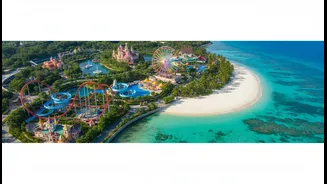
For Indian travellers, Asia is the perfect playground for this new style of holiday. Its incredible diversity offers a vast menu of options within a short-haul flight. You can find adrenaline-pumping adventure, profound spiritual journeys, and deep cultural dives. Recent booking data for the first half of 2026 shows Indian travellers flocking to theme parks, island tours, and nature-based attractions across Southeast Asia. For example, instead of just visiting Vietnam, travellers are booking cable car rides to the highest peak in Indochina. In Thailand, activities like coral island tours are becoming the main event. The simplified visa processes in countries like Malaysia, Thailand, and Sri Lanka further enhance the appeal, making spontaneous, activity-focused trips easier than ever.
From Itinerary to Experience: Real-World Examples
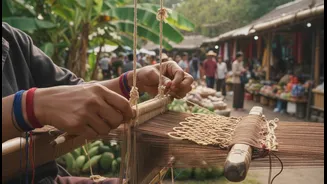
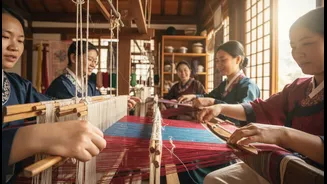
So what does an experience-first itinerary look like? Instead of a five-cities-in-seven-days tour of Japan, it might be a week-long immersion in Kyoto, attending a traditional tea ceremony, learning the art of 'kintsugi' (golden joinery), and taking a cooking class focused on local market ingredients. Instead of just relaxing on a beach in the Philippines, it could involve a multi-day scuba diving course to explore coral reefs. In Indonesia, it's about more than just seeing Bali; it's about joining a yoga and meditation retreat in Ubud or learning silver-making from a local artisan. These are holidays built around a central passion or curiosity, allowing for a much deeper connection to the place.
How to Build Your Own Experience-First Holiday
Planning an experience-led trip involves a mindset shift. Start by asking, "What do I want to do or learn?" instead of just "Where do I want to go?". Prioritise one or two core activities that truly excite you and build the trip around them. Research local workshops, guides, or community-based tours that offer authentic interactions. Be willing to trade a packed schedule for a more relaxed pace, allowing for spontaneity and unplanned discoveries. This approach not only enriches your travel but also often supports local economies more directly. The goal is to return home not just rested, but also with a new skill, a fresh perspective, or a story that begins with, "I never thought I would…"