





What Was Proposed?
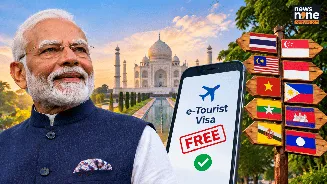
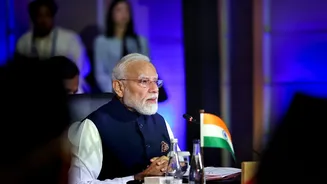
At the 23rd India-ASEAN Summit in Manila on November 17, 2026, Prime Minister Narendra Modi announced a plan to waive the fee for electronic tourist visas for citizens of all ASEAN member countries. This initiative is designed to make travel to India more
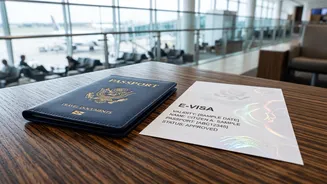
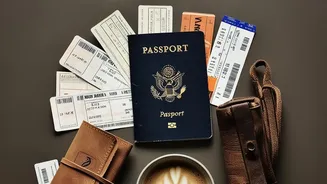
accessible and affordable, encouraging greater people-to-people connections and strengthening the strategic partnership. It's important to note this is not a visa-free travel arrangement; it is a waiver of the government processing fee. Travellers would still need to complete the online application for an Electronic Travel Authorization (ETA) before their trip. The proposal aims to harmonize visa rules, as citizens from some ASEAN countries already receive this benefit.
Who Are the ASEAN Nations?
The Association of Southeast Asian Nations (ASEAN) is a major regional bloc comprising 11 countries. The proposal for free e-visas would apply to passport holders from all of them: Brunei, Cambodia, Indonesia, Laos, Malaysia, Myanmar, the Philippines, Singapore, Thailand, Timor-Leste, and Vietnam. This represents a significant outreach to a region with a combined population of over 700 million people and some of Asia's most important outbound tourism markets. The move would extend an existing benefit currently available to citizens of Indonesia, Myanmar, Malaysia, the Philippines, and Thailand to the entire bloc.
A Boost for Tourism and Diplomacy
This visa initiative is a key component of India’s ‘Act East Policy’, which aims to deepen economic, strategic, and cultural ties with Southeast Asia. First launched as the 'Look East Policy' in the 1990s and upgraded in 2014, the policy focuses on practical cooperation in areas like trade, security, and connectivity. Tourism is seen as a powerful tool of soft power diplomacy within this framework, fostering goodwill and shared cultural understanding. In 2025, India received over 800,000 visitors from ASEAN countries. By removing the visa fee, which can range from $10 to $25 for a 30-day e-visa, India hopes to significantly increase these numbers, especially for pilgrimage travel to Buddhist circuits and other cultural sites.
The Big Question: When Will It Start?
This is the critical detail that remains unconfirmed. While the proposal was made at the high-profile summit, the Indian government has not yet announced an official implementation date. There are also pending questions about the specifics, such as which visa validity periods—30 days, one year, or five years—would be covered by the fee waiver for all countries. Currently, some ASEAN nationals who get a free 30-day visa still have to pay for longer-term e-visas. Authorities have yet to release a new application guide or a confirmed list of eligibility conditions for the expanded program. Therefore, the travel and tourism industries, as well as prospective tourists, are eagerly awaiting further clarification from New Delhi.
What Travellers Should Do Now
For citizens of ASEAN countries planning a trip to India, the current visa rules still apply. It is essential to check the official Indian e-Visa portal for the latest requirements and fees applicable to your nationality. While the news is promising, it is not yet policy. Travellers should not assume the fee waiver is in effect until an official government announcement is made. The proposal is a strong signal of India's intent to welcome more visitors from the region, but for now, the process remains unchanged. Prospective tourists should proceed with their visa applications as usual while keeping an eye on official updates from Indian embassies and the Ministry of External Affairs.