






The Ascent Through Nature
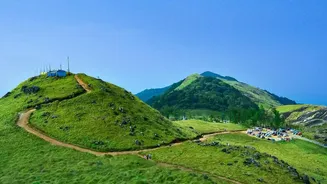
The trek up Nandi Hills is an experience that begins the moment you leave the city bustle behind. For many, the journey starts before dawn to catch the famous sunrise. While a motorable road winds its way up, the true adventure lies in the hiking trails,
particularly the historic granite stairway of over 1,100 steps that begins near Sultanpet village. This path, shaded by eucalyptus and tamarind trees, allows you to retrace the steps of soldiers and pilgrims from centuries past. The air grows cooler and is filled with the scent of eucalyptus and the sounds of diverse birdlife. The hill is a haven for birdwatchers, with species like the yellow-throated bulbul, Malabar whistling thrush, and even peregrine falcons making their home here. As you climb, the surrounding landscape transforms into a sea of green, offering a refreshing counterpoint to urban life.
Echoes of a Fortified Past
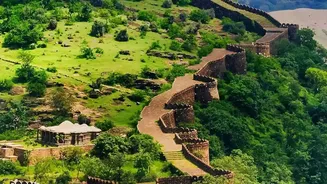
As you ascend, the natural beauty is punctuated by formidable stone fortifications, the first signs of the hill's strategic importance through the ages. Originally fortified by the Ganga Dynasty, the structures were significantly expanded by Hyder Ali and his son, Tipu Sultan, who transformed it into a formidable fortress known as Nandidurga. Tipu Sultan also used the hill as his summer retreat, and the remnants of his lodge still stand. The fort walls and gateways, some showing the intricate architectural details of the Chola and Hoysala periods, create a powerful sense of walking through history. Every turn on the trail can reveal another piece of the past, from ancient rest pavilions (mantapas) to the imposing fort entrance, making the trek a journey through time as much as a physical climb.
The Summit's Dual Reward
Reaching the summit, which stands at an elevation of 1,478 metres, offers a reward that is both historical and panoramic. The most famous viewpoint is Tipu's Drop, a 600-metre cliff. While its name comes from the grim legend of prisoners being thrown to their death, today it provides breathtaking, unobstructed views of the surrounding plains. Nearby, the Yoga Nandeeshwara Temple, an ancient shrine dedicated to Lord Shiva, offers spiritual solace and a glimpse into the region's deep religious roots. On a clear day, especially during the winter months from October to February, you might witness the spectacular 'sea of clouds' phenomenon, where a thick blanket of mist covers the valleys below, making it feel as if you are standing on an island in the sky.
Beyond the Main Trail
The experience at Nandi Hills doesn't end at the main viewpoints. The summit plateau is home to several other points of interest that blend nature and history. Amrita Sarovar, the 'Lake of Nectar,' is a beautiful perennial spring-fed tank that has long been a major water source on the hill. You can also explore Brahmashram, a serene cave where sage Ramakrishna Paramahamsa is believed to have mediated. The area around Nehru Nilaya, a British-era bungalow, is laid out with gardens that showcase the horticultural experiments conducted here, with exotic plants like coffee and fruit trees introduced over the centuries. These quieter spots provide a chance to relax after the trek and fully absorb the peaceful atmosphere of the hills.
Planning Your Weekend Trek
To make the most of your trip, a little planning goes a long way. The best time to visit is between October and March, when the weather is cool and the skies are generally clear, offering the best sunrise views. The gates officially open at 6:00 AM. For the classic sunrise experience, you should aim to reach the base well before then. The trek itself is considered easy to moderate and takes about 60 to 90 minutes to ascend via the steps. Be sure to wear comfortable trekking shoes and carry water. While weekends can be crowded, the experience of watching dawn break over the historical landscape makes the early start and the climb worthwhile.