





The Fiery Healer: Ginger (Adrak)
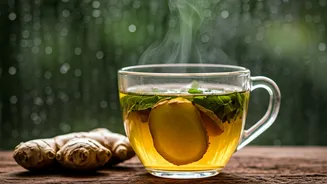
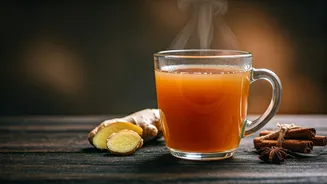
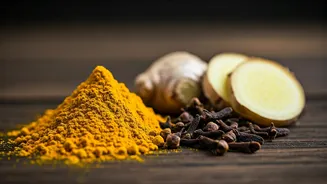
There's a reason a steaming cup of adrak wali chai feels like a warm hug on a gloomy day. Ginger is a cornerstone of traditional medicine for its powerful anti-inflammatory and antioxidant properties, primarily thanks to its main bioactive compound, gingerol.
During the monsoon, when dampness can aggravate joint pain and our digestive systems can become sluggish, ginger comes to the rescue. It's a fantastic digestive aid, helping to soothe an upset stomach and combat indigestion. Its warming nature helps to expel cold and phlegm from the body, making it a go-to remedy for a sore throat or a nagging cough. A small piece of raw ginger or a cup of ginger tea can help stimulate circulation and provide an immediate sense of warmth and relief, fighting off the chill that often accompanies the rainy season.
The Sacred Protector: Tulsi (Holy Basil)
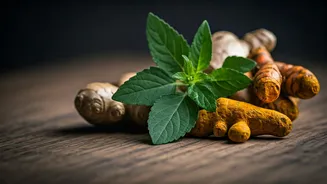
Revered in India as the “Queen of Herbs,” Tulsi is more than just a plant; it's a pharmacy in a leaf. Tulsi is a powerful adaptogen, which means it helps the body adapt to stress and promotes mental balance—a welcome benefit during the often-dreary monsoon days. More importantly for this season, it is a formidable immunity booster. Rich in zinc and Vitamin C, Tulsi helps keep infections at bay by strengthening our natural defense mechanisms. Its antimicrobial, antiviral, and antifungal properties make it particularly effective against respiratory ailments that thrive in humid weather. Chewing on a few raw leaves in the morning or adding them to your tea can help clear chest congestion, soothe a cough, and protect you from the common cold and flu viruses that circulate widely during this time.
The Bioavailability Booster: Black Pepper (Kali Mirch)
Often underestimated and relegated to a simple seasoning, black pepper is the unsung hero of this power trio. Its secret weapon is piperine, an alkaloid that gives pepper its pungent flavour. Piperine has a unique and potent quality: it acts as a bioavailability enhancer. This means it dramatically increases the body's ability to absorb the beneficial compounds found in other herbs and spices. When you add black pepper to a concoction with ginger and tulsi, you are essentially ensuring that you get the maximum benefit from them. But kali mirch doesn’t just play a supporting role. It has its own impressive set of credentials, including being an excellent expectorant that helps break up mucus and congestion in the respiratory tract. Its antioxidant properties further support overall immunity, making it a crucial component of any rainy-day wellness routine.
Stronger Together: Your Monsoon Kadha
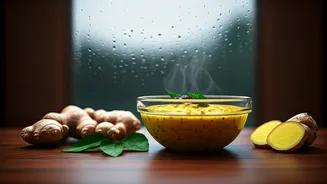
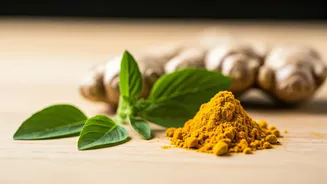
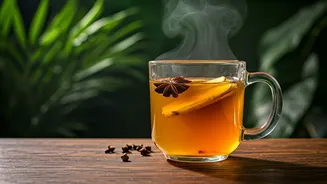
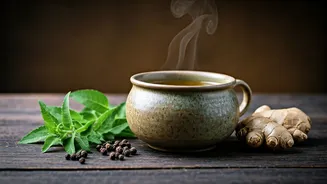
While each of these ingredients is potent on its own, their true power is unlocked when they are combined. The warming properties of ginger and pepper work in synergy to fight off cold and dampness, while the immune-modulating effects of tulsi provide a protective shield. This combination is most famously consumed as a kadha, a traditional herbal decoction that has been a staple in Indian households for generations. Creating this simple, effective remedy is easy. Think of it less as a strict recipe and more as a comforting ritual. To make a single serving: 1. Bring 1.5 cups of water to a boil. 2. Add 1 inch of freshly grated or crushed ginger, 4-5 fresh tulsi leaves, and 3-4 crushed black peppercorns. 3. Let the mixture simmer on low heat for 10-15 minutes, allowing the water to reduce and the flavours to infuse completely. 4. Strain the liquid into a cup. For a touch of sweetness and extra throat-soothing properties, you can add a teaspoon of honey after the kadha has cooled slightly (adding honey to boiling water can reduce its benefits).