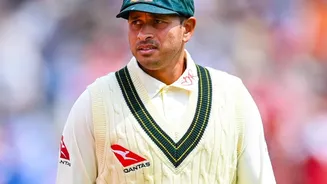








A Bombshell from 'Mr. 360'
In a recent statement on his YouTube channel, former South African captain AB de Villiers alleged that the Australian team was tampering with the ball well before they were caught in Cape Town during the tempestuous 2018 Test series. Specifically, de Villiers pointed
to the very first Test in Durban, stating he has 'absolutely no doubt' that illegal methods were used. 'We lost the first Test in Durban with the ball reversing at a very interesting time,' de Villiers said, noting it was 'way too early for anyone to reverse the ball at Kingsmead'. His claim adds a significant new layer to a scandal that has been reignited by recent memoirs and interviews from Australian players themselves.
Revisiting 'Sandpapergate'
To understand the weight of de Villiers' words, one must rewind to March 2018. During the third Test in Cape Town, television cameras caught Australian fielder Cameron Bancroft attempting to scuff the ball with a piece of sandpaper hidden in his pocket. The fallout was immediate and catastrophic for Australian cricket. Captain Steve Smith, vice-captain David Warner, and Bancroft were handed lengthy bans by Cricket Australia. The official investigation concluded that only these three players were aware of the premeditated plan. The Australian team, having won the first Test in Durban, went on to lose the series 3-1, their first home series defeat to South Africa since 1970. For years, the 'rogue three' narrative was the official, if widely doubted, story.
The Durban Doubt
De Villiers' accusation specifically targets the series opener in Durban, a match Australia won by 118 runs. His argument rests on his extensive experience playing at the venue. He claims the ball began to reverse-swing unnaturally early, a tell-tale sign of tampering. This new claim follows recent revelations from former Australian players. Usman Khawaja's autobiography and subsequent interviews from Cameron Bancroft have suggested that the use of sandpaper may have also occurred in the second Test in Port Elizabeth. De Villiers now contends that the practice started from the very first match. 'I can very much tell you Durban was no different. Go look at the footage,' he challenged.
More Than Just Sandpaper
For de Villiers, the public obsession with the piece of sandpaper misses the larger point. 'Why are we all so worried about the object that was used? The fact of the matter is there was a premeditated decision made to do something illegal,' he stated. He firmly believes knowledge of the scheme went far beyond the three sanctioned players. 'Every single person knew about it, I have zero per cent doubt about it,' de Villiers claimed, aligning himself with Khawaja and Bancroft's assertions that awareness within the squad was widespread. He argues the fundamental issue was a team-wide decision to cheat, not the specific method employed.
Old Wounds, New Questions
The timing of de Villiers' claim, eight years after the event, is prompted by the recent war of words between former Australian teammates. While de Villiers expressed sympathy for the individuals involved, he was unflinching about the act itself. His intervention forces the cricket world to re-evaluate the entire 2018 series. It suggests that Australia's victory in the first Test might have been aided by the very same tactics that led to their downfall in the third. It also casts further doubt on the thoroughness of the original Cricket Australia investigation, which confined the blame to just three individuals. As of now, there has been no official response from Cricket Australia or the players implicated by this latest allegation.