

The Problem with Today's Batteries
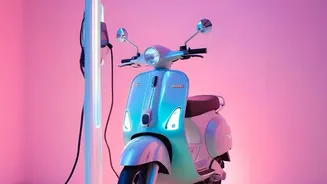
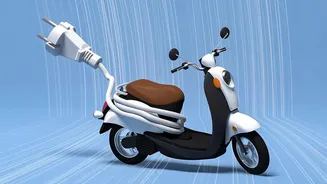
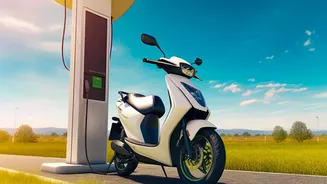
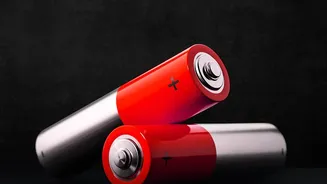
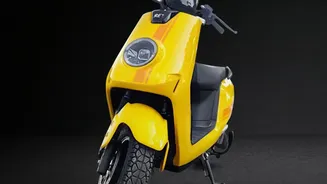
The heart of nearly every electric vehicle on the road today is a lithium-ion battery. While this technology has been revolutionary, it has its limits, especially for the millions of scooter users in India. The biggest pain points are long charging hours,
range anxiety, and concerns over safety. Current batteries use a liquid or gel-like substance called an electrolyte to move energy around. Pushing them to charge too quickly can cause safety issues, including the risk of fires, and can also degrade the battery's health over time, reducing its lifespan and how much charge it can hold. This has created a significant hurdle for widespread EV adoption, as users look for the convenience of a quick petrol fill-up in an electric format.
What is a Solid-State Battery?
Enter the solid-state battery, a technology that experts believe is the next giant leap in energy storage. The core innovation is simple in concept: it replaces the flammable liquid electrolyte found in conventional lithium-ion batteries with a solid, non-flammable material. This solid electrolyte can be made from materials like ceramics or polymers. Think of it as swapping a liquid highway for a solid super-highway for energy particles. This fundamental change in design doesn't just tweak performance; it completely redefines what a battery can do, offering improvements in almost every key area, from charging speed to safety.
The Science Behind 10-Minute Charging
So, how does this solid material enable ultra-fast charging? The main reason is stability. In traditional batteries, charging too fast can cause tiny, needle-like structures called dendrites to grow, which can pierce the battery's internal structures, causing a short circuit and potentially a fire. The solid electrolyte in a solid-state battery is far more resistant to these dendrites. This stability allows manufacturers to use more energy-dense materials, like lithium metal for the anode, which can receive and store energy at a much faster rate without the same risks. Several companies are now demonstrating this capability. For example, Finnish company Verge Motorcycles, in partnership with Donut Lab, has already integrated solid-state batteries into production models that can charge in under 10 minutes.
More Than Just Incredible Speed
While 10-minute charging grabs headlines, the benefits of solid-state technology go much further. Firstly, they are significantly safer because they eliminate the flammable liquid electrolyte. Secondly, they offer much higher energy density, meaning they can store more energy in the same amount of space, or offer the same range from a much lighter and smaller battery pack. This could lead to scooters that are lighter and have a much longer range, with some prototypes boasting up to 370 miles (nearly 600 km) on a single charge. They also perform better in extreme temperatures, both hot and cold, and have a potentially longer overall lifespan than their liquid-based cousins.
When Will This Tech Arrive in India?
The future is arriving faster than many expected. While major car manufacturers like Toyota and Nissan are targeting mass production of solid-state batteries for cars around 2028, the technology is already appearing in two-wheelers. Verge Motorcycles began delivering models with this tech in early 2026. For the Indian market, this is a promising sign. As global manufacturing scales up, the cost will come down. Indian manufacturers and research institutions are also making strides in battery technology, including sodium-ion and solid-state prototypes. Given the massive two-wheeler market in India, it's highly likely that global and local players will race to introduce this game-changing technology here within the next few years, transforming the urban mobility landscape.