




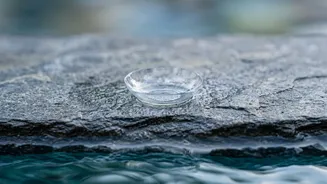
For millions, contact lenses offer freedom from glasses. But this convenience comes with a critical rule that's often overlooked: contacts and water are a dangerous mix. Here's what you need to know about the hidden risks lurking in pools and taps.
The Core Problem: Water Isn't Sterile
The
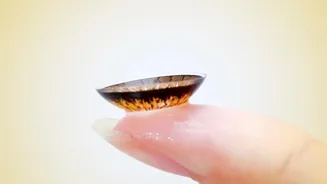
fundamental rule of contact lens care is to avoid exposing them to any type of water. This includes tap water, swimming pools, oceans, lakes, hot tubs, and even the shower. While it may seem harmless, water is not sterile and is home to countless microorganisms. Your eyes have natural defences, but a contact lens can act like a tiny sponge, absorbing these microbes and trapping them directly against your cornea, the clear surface of your eye. This creates a perfect breeding ground for infection, turning a refreshing dip into a significant health risk.
The Main Culprit: Acanthamoeba
Among the most dangerous microorganisms found in water is a microscopic amoeba called Acanthamoeba. It is commonly found in nearly all sources of water, including tap water, soil, and dust. For most people, it's harmless. For contact lens wearers, it’s a different story. The lens can create tiny, invisible scratches on the cornea, providing an entry point for the amoeba. Once it latches on, it can cause a severe, painful, and hard-to-treat infection known as Acanthamoeba keratitis.
Acanthamoeba Keratitis: A Serious Threat
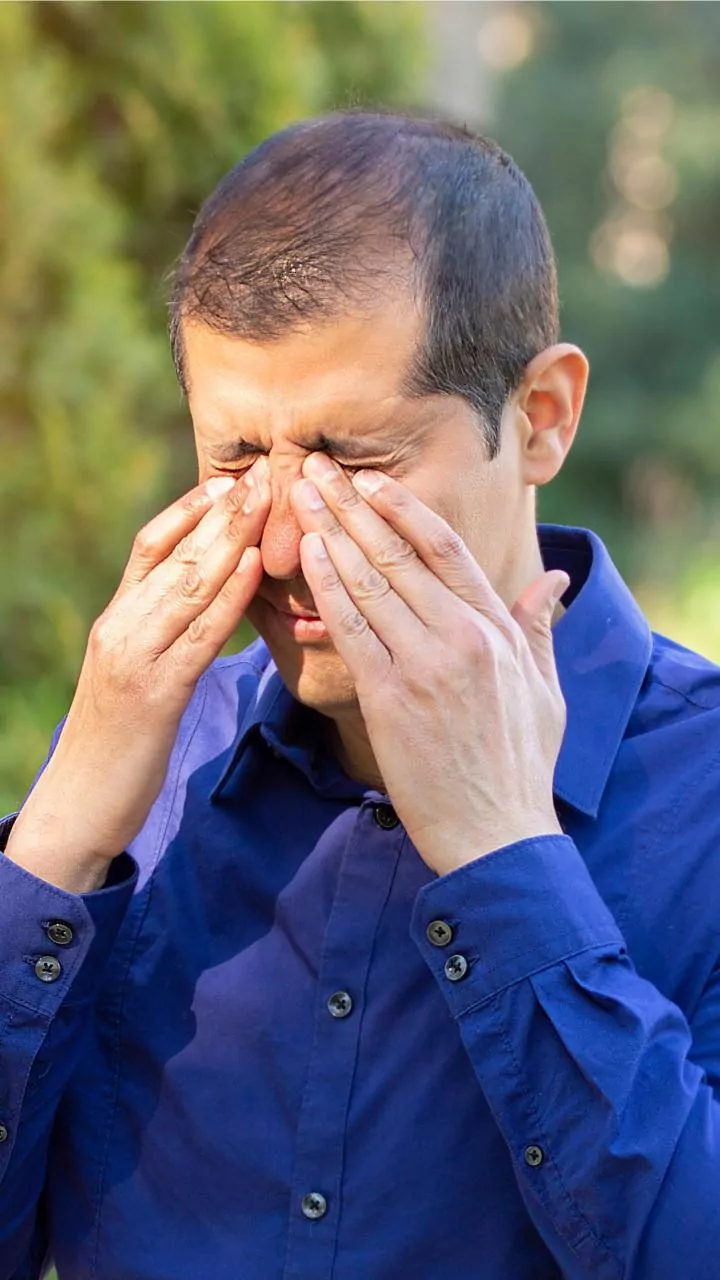
Acanthamoeba keratitis is a rare but devastating infection of the cornea. Symptoms can mimic more common eye infections, including eye pain, redness, blurred vision, extreme sensitivity to light, and the constant feeling that something is in your eye. The pain can often be severe and out of proportion to the initial look of the eye. Because it's difficult to diagnose and treat, the infection can persist for weeks or months, potentially leading to permanent vision loss or even requiring a corneal transplant in severe cases. Early diagnosis is crucial for effective treatment.
Pools, Showers, and Lakes All Pose a Risk
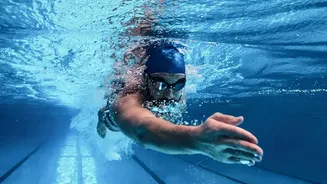
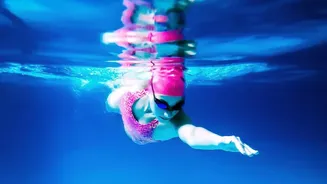
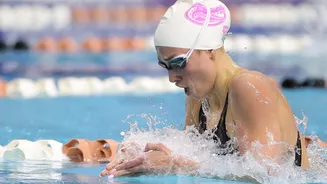
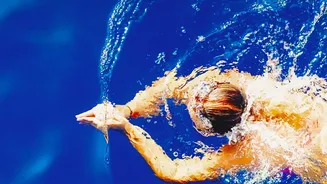
Many people assume chlorinated pools are safe, but chlorine does not kill all pathogens, including Acanthamoeba. Furthermore, pool chemicals can bind to soft contact lenses, causing irritation and inflammation. Natural bodies of water like lakes, rivers, and oceans are considered even riskier due to a higher concentration of bacteria and other organisms. The danger isn’t limited to swimming; simply showering or using a hot tub with lenses in poses the same threat. Any water splashing into the eye can trap microbes under the lens. Soft contact lenses are particularly vulnerable as they are porous and can change shape or stick to the eye when wet, which can cause scratches and increase infection risk.
Golden Rules for Water Safety
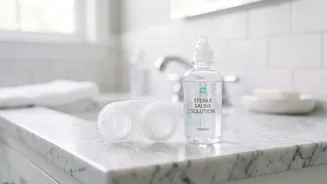
The guidance from health bodies like the CDC is clear and simple: keep your contact lenses away from all water. Always remove your lenses before swimming, showering, or getting in a hot tub. If you accidentally expose your lenses to water, you should remove them as soon as possible with clean, dry hands. If they are daily disposables, throw them away immediately and use a fresh pair. If they are reusable lenses, they should be thoroughly cleaned and disinfected for at least 24 hours before being worn again, though disposal is the safest option. Never use tap water to rinse or store your lenses; only use the prescribed contact lens solution.