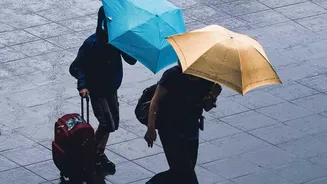








The Right Outerwear
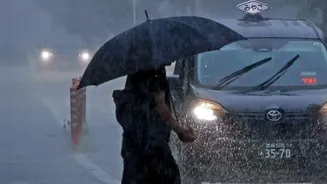
An umbrella is a classic for a reason, perfect for quick dashes between the metro station and your office. However, in strong winds or for those on two-wheelers, an umbrella is often impractical. A lightweight, packable raincoat or poncho offers superior
protection, keeping your hands free and your clothes significantly drier. Many modern raincoats fold into a small pouch, making them easy to keep in your bag permanently during the season. For scooter or motorcycle riders, a full two-piece rain suit is the safest and most effective choice for staying dry from head to toe.
Waterproof Your World
Your first line of defence for electronics and important documents is a waterproof backpack or a reliable rain cover for your existing bag. Zippers are often the weakest point, so look for bags with storm flaps or water-repellent zippers. For an extra layer of security, use waterproof pouches or simple zip-lock bags for your phone, wallet, chargers, and ID cards. This simple step can save you from the expensive headache of a water-damaged laptop or phone. Some commuters also add small silica gel packs inside their bags to combat the pervasive dampness and protect electronics from humidity.
Smarter Footwear Choices
Navigating waterlogged streets and slippery station platforms is a major monsoon hazard. Choose footwear with a good, anti-skid grip to reduce the risk of falling. While waterproof boots are an option, many seasoned commuters prefer open-toed rubber sandals or floaters that dry quickly and don't trap water. One of the most uncomfortable feelings is sitting through a workday with wet socks. Packing a clean, dry pair of socks in a waterproof pouch is a small addition to your bag that can make a huge difference to your comfort.
The Just-in-Case Kit
Monsoon travel often means unexpected delays. A portable power bank is essential to ensure your phone doesn't die while you're stuck in traffic or waiting for a delayed train. It's also wise to carry a small emergency kit containing a few non-perishable snacks, a bottle of water, and any personal medications you might need. A small, quick-dry microfibre towel can be invaluable for drying your hands, face, or hair after being caught in a downpour. Keeping a basic first-aid kit with antiseptic wipes and bandages is also a good idea for treating minor scrapes that can happen on slippery surfaces.
For Car and Bike Riders
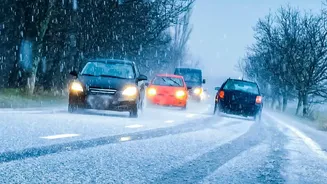
If you commute by your own vehicle, a pre-monsoon check-up is non-negotiable. Ensure your tyres have adequate tread, your brakes are in top condition, and your wiper blades are not streaky. Stopping distances can nearly double on wet roads, so maintaining a safe distance from the vehicle ahead is critical. For two-wheeler riders, a full-face helmet with an anti-fog visor is essential for clear vision, and wearing bright or reflective gear makes you more visible to other drivers in low light. Car drivers should avoid driving through deep water if the depth is unclear, as it can cause severe engine damage.
A Change of Clothes
Despite your best efforts, sometimes you just get soaked. Keeping an extra set of clothes at your workplace is the ultimate solution, but if that's not possible, even a spare quick-dry t-shirt and a pair of trousers packed in a waterproof bag can save the day. Synthetic fabrics like polyester are a great choice as they dry much faster than cotton. Arriving at your destination and being able to change into something dry not only boosts your comfort but also helps you avoid catching a chill.