




A New Home for the King
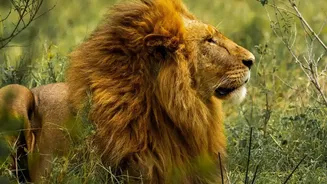
In a landmark conservation move, the Barda Wildlife Sanctuary has been identified and developed as the second home for Asiatic lions under India's 'Project Lion'. This is a critical step to secure the future of a species that exists in the wild only in Gujarat.
For decades, conservationists worried about having the entire population concentrated in the Gir landscape, vulnerable to a single disease outbreak or natural disaster. The journey to establish this new population began in January 2023, when a male lion naturally migrated from the greater Gir region to Barda. This pioneering move was supported by the Gujarat Forest Department, which subsequently translocated five females to establish a breeding population. By late 2025, the sanctuary was already home to a growing pride of 17 lions, including several cubs, marking the return of the species to this area after an absence of nearly 144 years.
The Barda Landscape
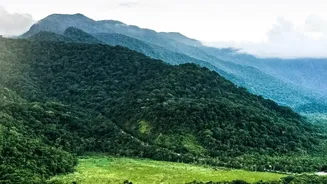
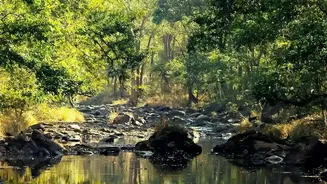
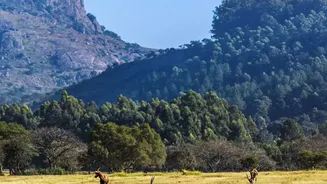
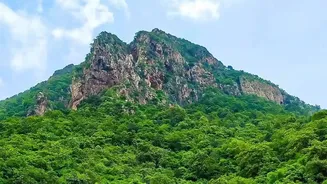
Located just 15 kilometres from the coastal city of Porbandar, the Barda Wildlife Sanctuary spans 192.31 square kilometres across the Porbandar and Devbhumi Dwarka districts. Declared a sanctuary in 1979, its terrain is a world away from the coast, defined by hilly, rugged landscapes, deep valleys, and dry deciduous forests. Historically, the area was a private hunting ground for the princely states of Jamnagar and Porbandar. Today, its green hills serve a vital ecological function, acting as a natural barrier against salinity ingress from the nearby Arabian Sea, which helps protect the agricultural lands of the Saurashtra region. The sanctuary is crisscrossed by rivers like the Bileshvary and Joghri and dotted with water bodies, making it a suitable habitat for a diverse range of species.
A Rich Tapestry of Life
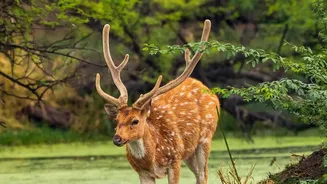
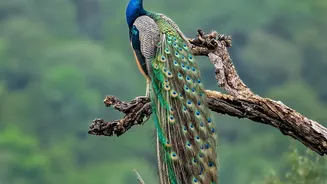
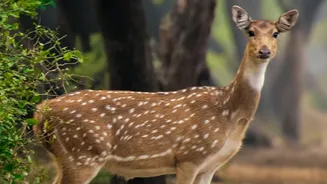
Long before the lions returned, Barda was already a biodiversity hotspot. The sanctuary is home to an impressive list of over 650 plant species, including valuable medicinal plants, bamboo groves, and trees like babul and jamun. This rich flora supports a wide array of fauna. Besides the newly established lion population, Barda is home to predators like leopards, striped hyenas, and wolves. Its forests and grasslands provide a haven for herbivores such as nilgai (blue bull) and chinkara. To support the lions, the forest department has been actively strengthening the prey base by reintroducing species like sambar and translocating hundreds of chital (spotted deer) from Gir. The sanctuary is also a paradise for birdwatchers, with numerous resident and migratory bird species recorded.
People, Coexistence, and the Future
The story of Barda also includes its human inhabitants. For generations, pastoral communities, including the Maldharis, have lived within the sanctuary's boundaries, coexisting with the wildlife. To create a larger, undisturbed habitat for the growing lion population and reduce potential human-wildlife conflict, the Gujarat government recently announced a voluntary relocation scheme. This programme offers financial packages and land to families who choose to move outside the sanctuary, aiming to provide them with better access to services while securing the core wilderness area. Alongside these efforts, the government is investing in eco-tourism, with plans for a new safari park and visitor facilities to allow the public to experience this remarkable conservation story firsthand, boosting local employment and awareness.