


What Exactly Is a Geodesic Dome Stay?
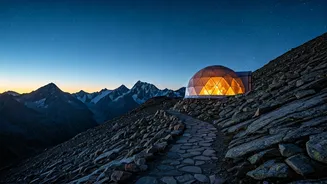
Think of it as the ultimate upgrade to camping. A geodesic dome is a sturdy, sphere-like structure made of interconnected triangular panels. This design makes them incredibly resilient to harsh weather, including wind and snow, which is perfect for high-altitude
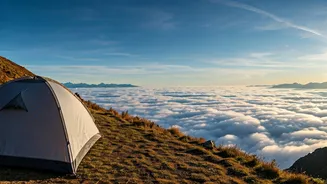
locations. Inside, they are anything but basic. Most offer the comforts of a hotel room—a plush bed, heating, attached bathrooms, and, most importantly, a massive panoramic window. It’s the perfect blend of ‘glamping’ (glamorous camping) and minimalist luxury, allowing you to feel fully immersed in the landscape without sacrificing warmth or comfort. The primary appeal is the unparalleled connection to the outdoors, offering stunning views of starry skies at night and majestic mountains by day.
Finding Your Mountain Paradise in India
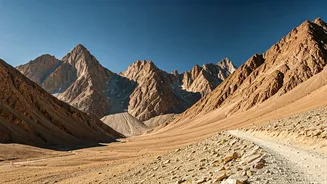
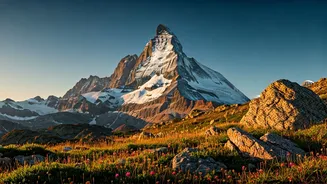
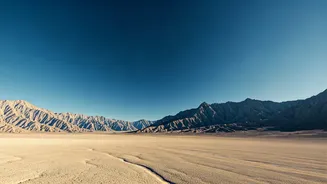
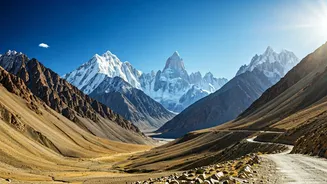
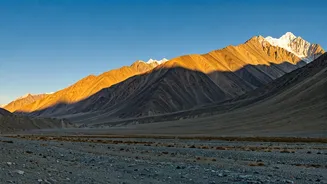
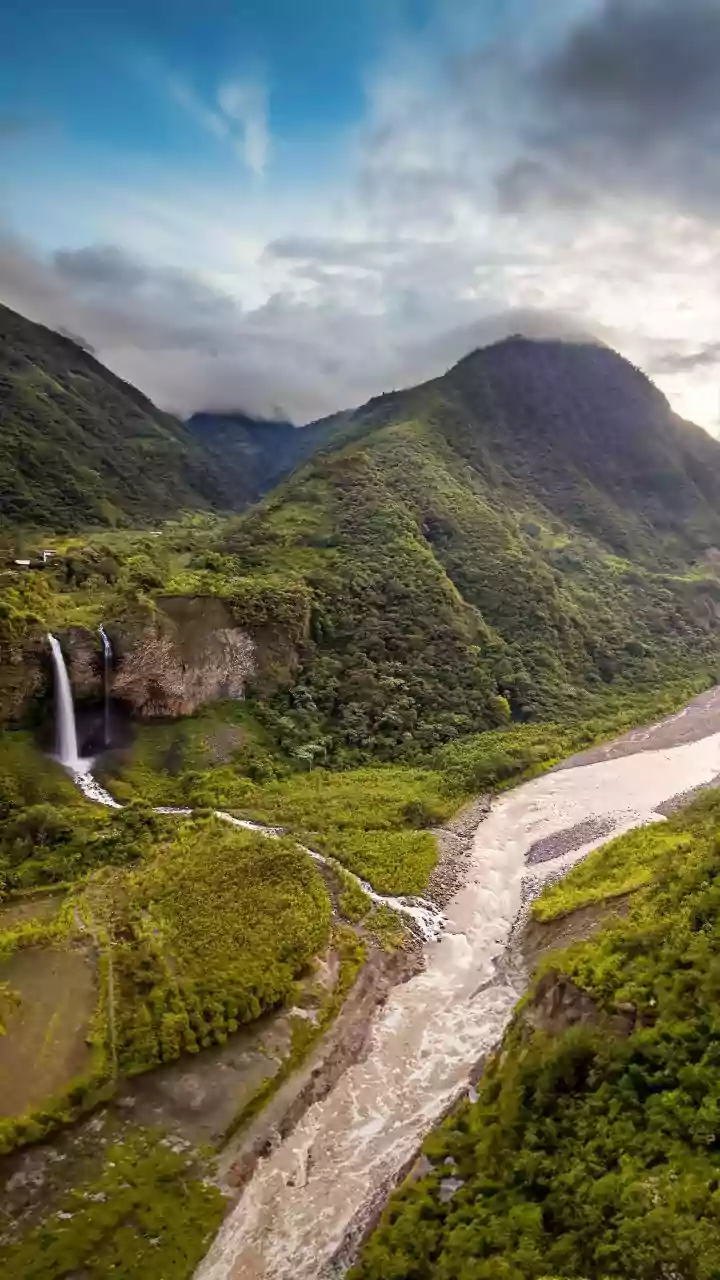
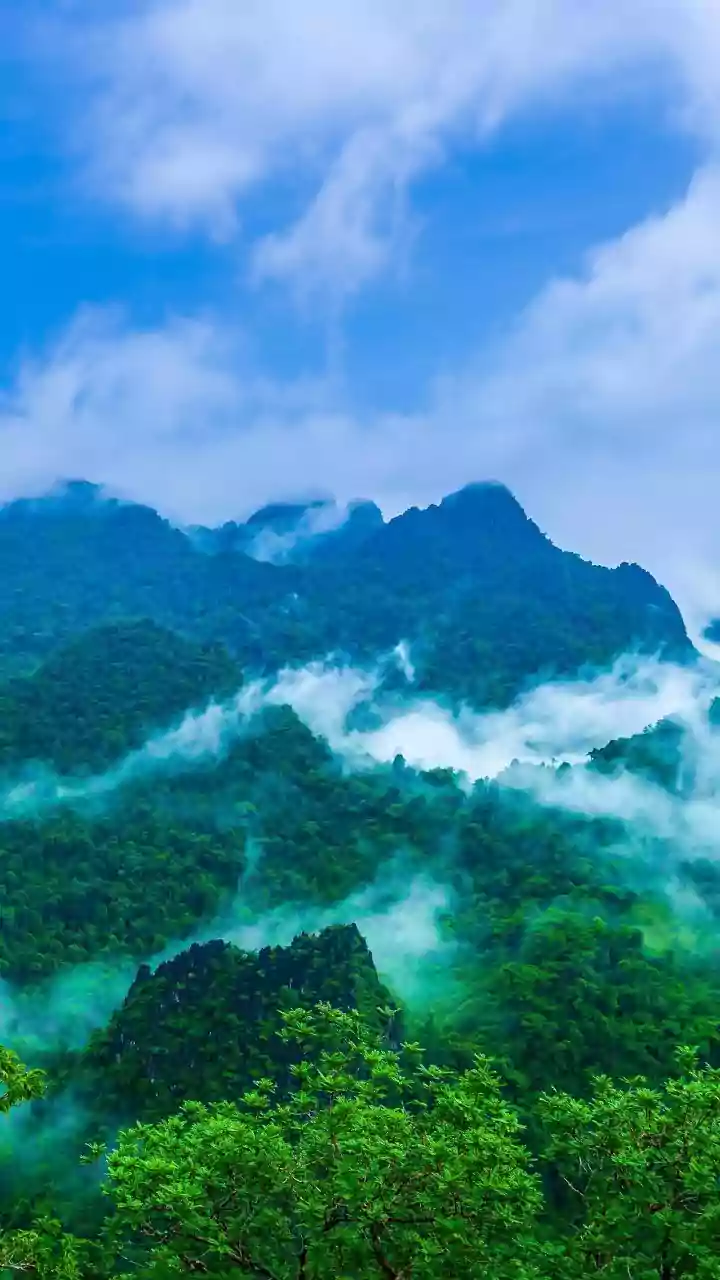
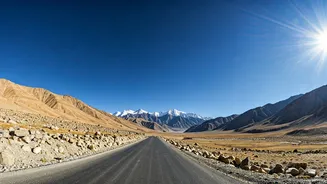
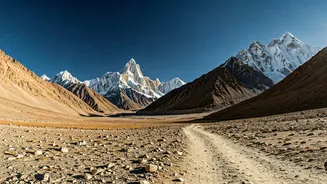
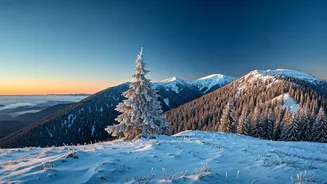
India’s Himalayan region has become a hotspot for these unique stays. Himachal Pradesh is a popular choice, with clusters of domes located in the serene landscapes around Manali, particularly in hamlets like Sethan, which is known for its winter snow. These spots offer breathtaking views of the Dhauladhar and Pir Panjal ranges. Further north, Ladakh has also embraced dome stays, providing a starkly beautiful, high-desert backdrop near Leh and in the Nubra Valley. For those seeking something a bit off the beaten path, destinations in Uttarakhand, like Auli or near Chopta, are also beginning to feature these architectural marvels. When choosing, consider the season. Some locations are perfect for winter snowscapes, while others are best enjoyed during the pleasant summer months for trekking and clear skies.
How to Plan and Book Your Dome
Booking a geodesic dome requires a bit of planning, as they are often in high demand, especially during peak tourist seasons (like summer holidays or winter snow periods). Start your search 2-3 months in advance. You can find listings on popular travel websites like Airbnb, Booking.com, and MakeMyTrip by searching for ‘geodesic dome’ or ‘glamping’ in your desired location. Many independent properties also have their own websites or Instagram pages for direct booking, which can sometimes offer better deals. Before you book, read reviews carefully. Pay attention to comments about heating (essential for cold nights), cleanliness, the condition of the attached bathroom, and the hospitality of the hosts. Also, check the accessibility—many of these domes are in remote areas and may require a short trek or a special vehicle to reach.
Preparing for the High Altitude
Staying at a high altitude (typically above 2,500 metres or 8,000 feet) requires your body to adjust. Acclimatisation is crucial to prevent Acute Mountain Sickness (AMS), which can cause headaches, nausea, and fatigue. The golden rule is to ascend slowly. If possible, spend a night at a moderate altitude before heading to your final, higher destination. Upon arrival, take it easy for the first 24 hours. Avoid strenuous activity, stay hydrated by drinking plenty of water, and avoid alcohol. Your body is working harder than usual to get oxygen, so give it time to adapt. Most dome stays are well-equipped to handle the conditions, but it's your responsibility to listen to your body.
Packing for Your Unplugged Escape
Packing smart is key to a comfortable dome experience. Even in summer, mountain nights are cold, so layers are your best friend. Pack thermal wear, fleece jackets, and a windproof/waterproof outer layer. Sturdy walking shoes with good grip are non-negotiable for exploring the terrain. Other essentials include a warm hat, gloves, woollen socks, sunglasses, and high-SPF sunscreen, as the sun is much stronger at high altitudes. Since the goal is to unplug, bring a good book, a journal, or a deck of cards. While you should aim for a digital detox, a fully charged power bank is a practical necessity for your phone in case of emergencies. Finally, carry any personal medications and a basic first-aid kit.