


The Right Clothing: Think Quick-Dry, Not Cotton
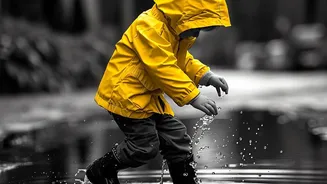
The golden rule of monsoon trekking is to avoid cotton at all costs. Cotton and denim absorb moisture, become heavy, and take a very long time to dry, which can make you feel cold and uncomfortable. Instead, opt for synthetic fabrics like polyester or nylon.
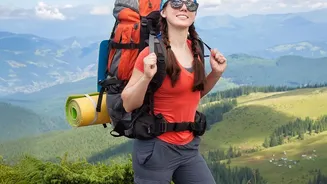
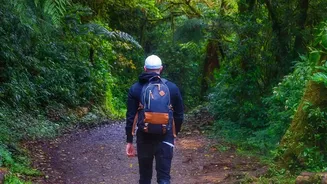
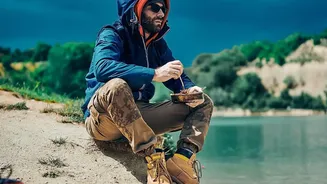
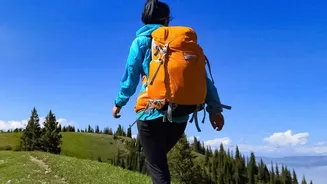
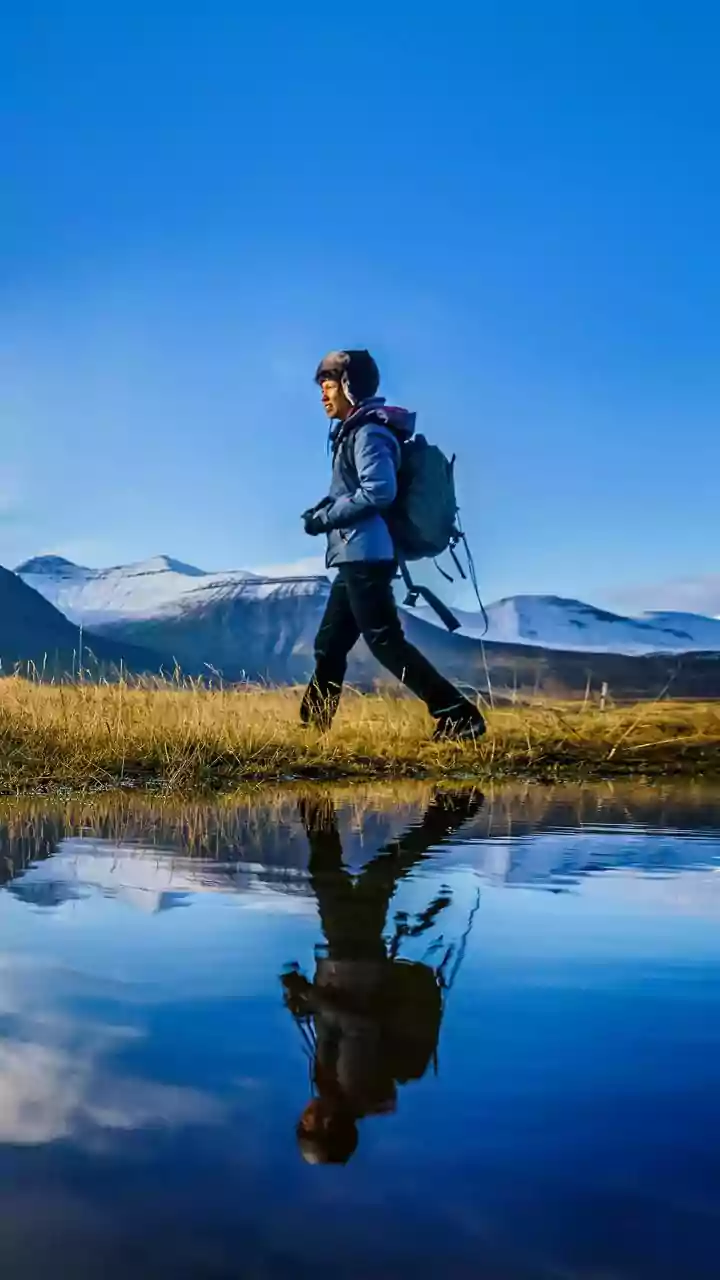
Pack lightweight, quick-drying t-shirts and trek pants. Layering is crucial for managing your body temperature as the weather changes. Start with a moisture-wicking base layer, add a fleece jacket for warmth if needed, and top it off with a reliable waterproof outer layer. Wearing full-sleeved shirts and full pants can also offer protection from insect bites and scratches on overgrown trails.
Footwear: Your First Line of Defence
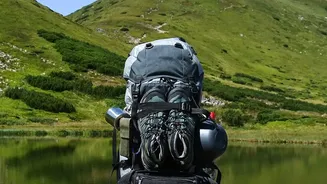
Your choice of footwear can make or break your trek. Regular sports shoes or sneakers won't provide the necessary grip on slippery, muddy trails. Invest in a pair of waterproof trekking shoes with high ankle support and a deep, rugged tread for excellent traction. This is crucial for maintaining balance and preventing slips and falls on wet rocks and slopes. Equally important are your socks. Pack multiple pairs of synthetic or wool-blend socks that wick moisture away from your skin. Wet feet can lead to painful blisters, so having dry socks to change into is a small comfort with a huge impact.
Waterproofing Your Gear: The Dual-Defence Strategy
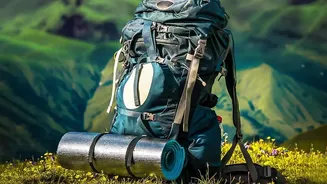
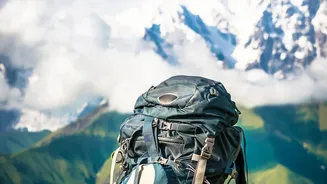
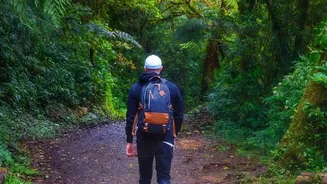
Keeping your belongings dry is a top priority. A quality waterproof backpack is a great start, but you need a two-layer defence system. First, use a well-fitting rain cover on the outside of your rucksack to shield it from downpours. Second, line the inside of your backpack with dry bags or even sturdy plastic bags. This ensures that your spare clothes, electronics, and other essentials remain completely dry even if water seeps through the main pack. Small zip-lock pouches are perfect for protecting your phone, wallet, power bank, and any important documents.
Essential Gear for Stability and Safety
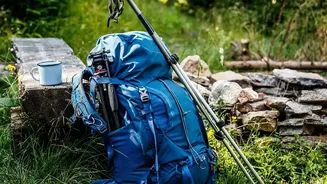
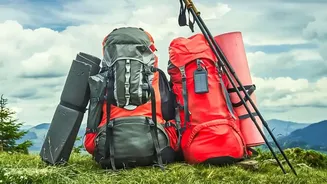
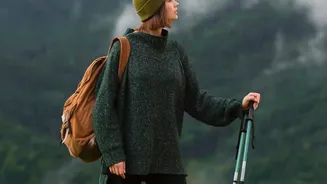
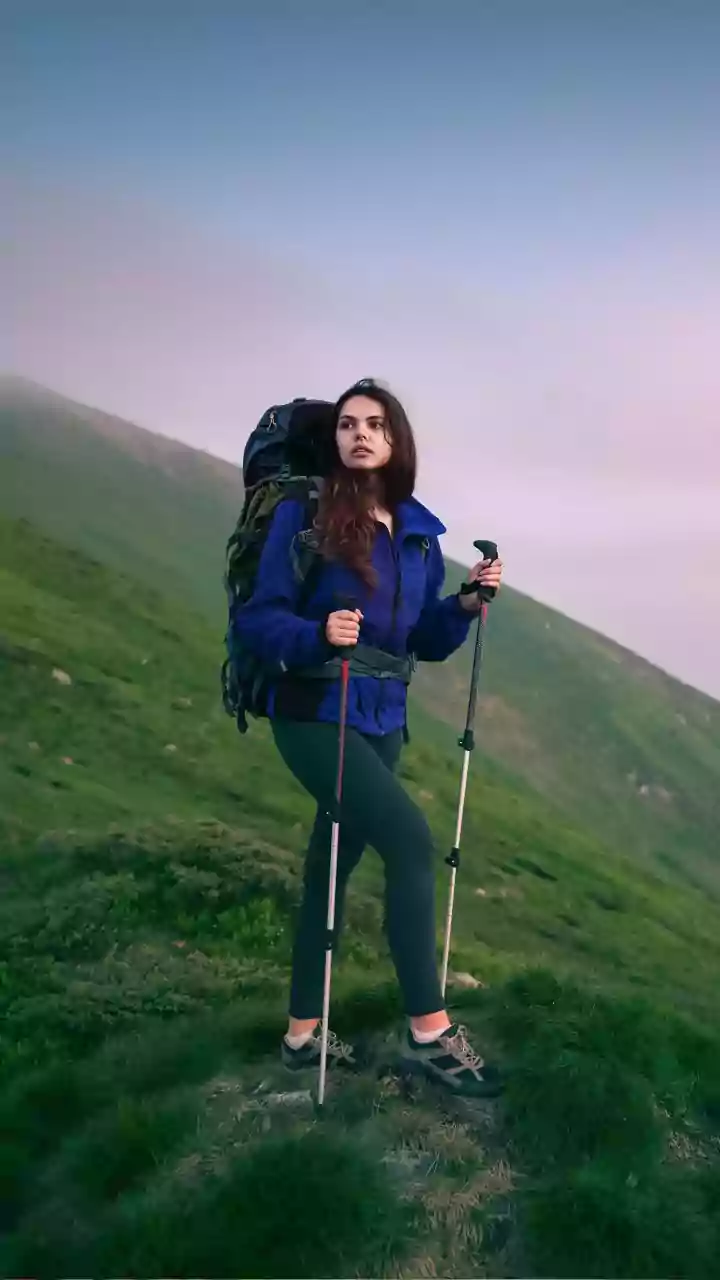
Monsoon trails can be unpredictable. A trekking pole is an invaluable tool for providing extra stability and balance, especially on slippery descents. It helps reduce the strain on your knees and joints. A headlamp or a torch with extra batteries is non-negotiable, as cloudy weather can reduce visibility or you might end up trekking after dark. Always carry a basic first-aid kit containing antiseptic wipes, bandages, blister plasters, pain relievers, and any personal medications. Given the abundance of insects during the monsoon, a good insect repellent is also a must-have.
Staying Energised and Hydrated
Trekking in the rain can be more strenuous than it looks. It's easy to forget to drink water when the weather feels cool, but staying hydrated is vital. Carry a water bottle or a hydration pack and sip regularly. To keep your energy levels up, pack high-energy snacks that are easy to eat on the go. Items like nuts, dried fruits, energy bars, and chocolates are perfect for providing a quick fuel boost between meals.