


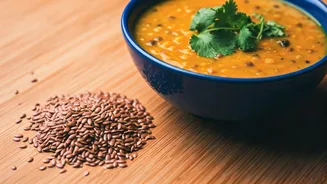


Prioritise Protein at Every Meal
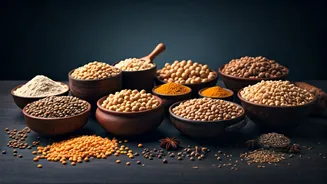
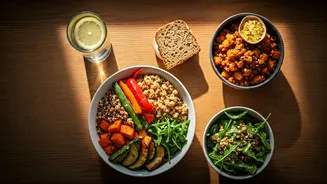
One of the most common concerns with plant-based eating is getting enough protein. Fortunately, Indian cuisine is rich with options. Aim to include a protein source in every major meal to support muscle health, energy levels, and satiety. Think beyond
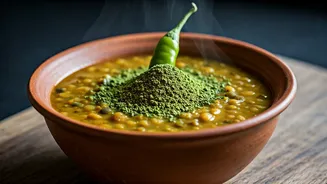
just paneer. A bowl of dal with your lunch, a handful of chana for a snack, or rotis made with besan or sattu flour are excellent ways to boost your intake. Legumes like rajma, chickpeas, and lentils are protein powerhouses. Tofu, edamame, and seeds like hemp and pumpkin also provide a significant amount. A simple rule is to ensure about one-quarter of your plate is dedicated to a protein source.
Eat a Rainbow of Vegetables and Fruits
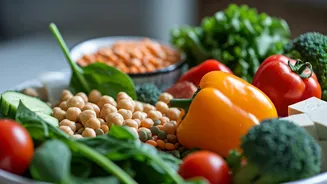
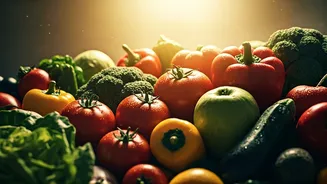
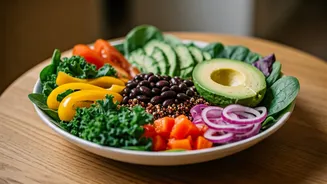
Eating a variety of colourful produce ensures you get a wide spectrum of vitamins, minerals, and antioxidants essential for long-term health. Don't just stick to potatoes and onions. Actively seek out different colours. Include leafy greens like spinach (palak) and fenugreek (methi) for iron and calcium. Add red and yellow bell peppers for Vitamin C, which helps iron absorption. Incorporate purple cabbage or brinjal for their unique antioxidants. Challenge yourself to try one new vegetable or fruit every week from the local market. This not only diversifies your nutrient intake but also keeps your meals exciting and flavourful.
Choose Whole Grains and Millets
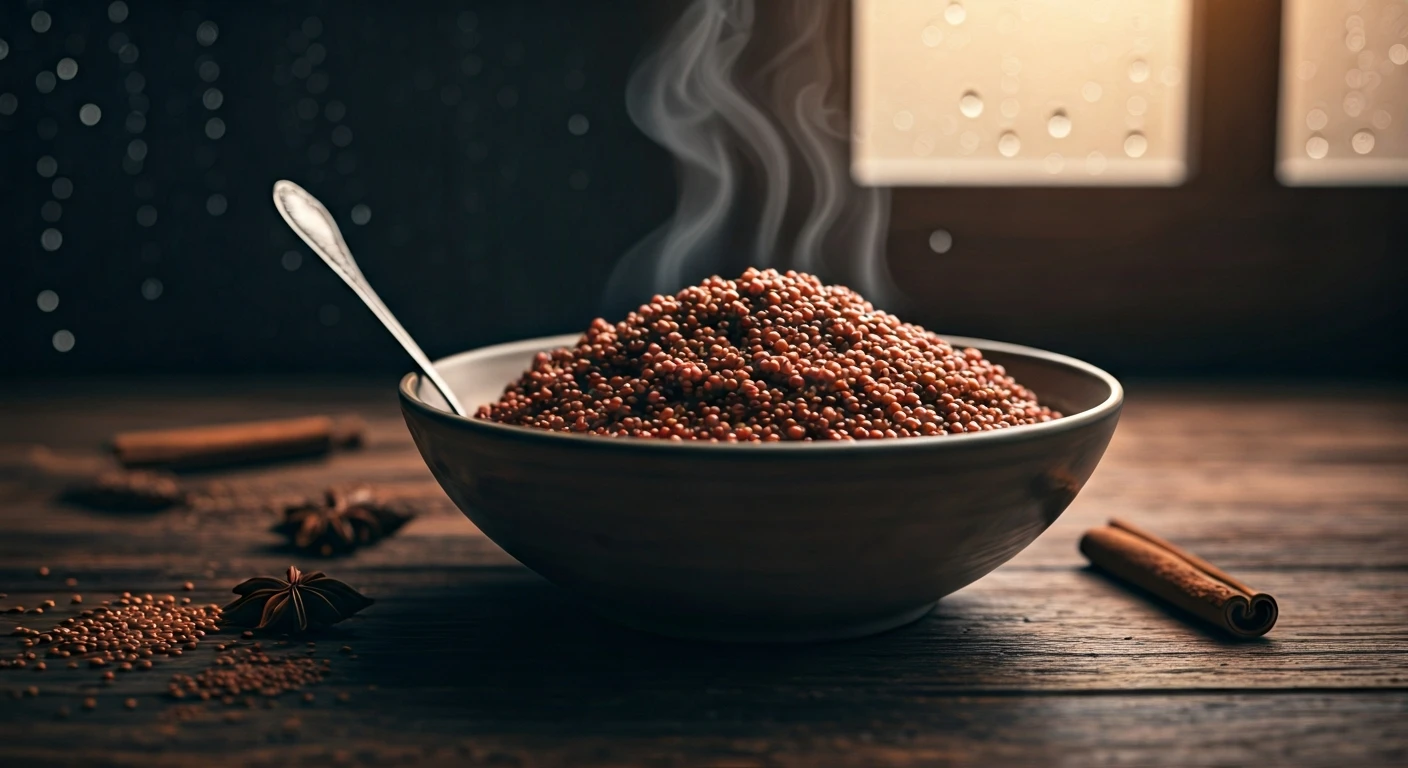
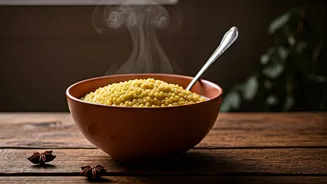
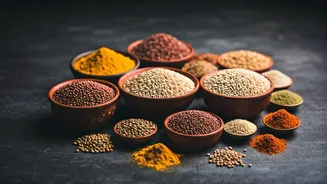
Refined grains like white rice and maida offer little nutritional value. Swapping them for whole grains is a simple but impactful step. Brown rice, whole wheat (atta), and oats are great starting points. But don't forget India's ancient superfoods: millets. Incorporating jowar, bajra, and ragi into your diet is fantastic for adding fibre, protein, and essential minerals like magnesium and iron. You can make rotis from their flour, use them as a substitute for rice, or even create porridge. This switch helps regulate blood sugar, improves digestion, and keeps you feeling full for longer.
Don’t Fear Healthy Fats
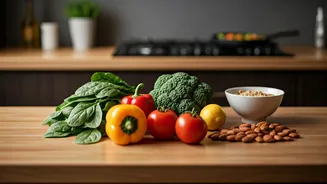
Fats are not the enemy; the right kinds are crucial for brain health, hormone production, and absorbing certain vitamins. Focus on incorporating sources of unsaturated fats into your daily routine. A handful of almonds or walnuts makes for a perfect mid-day snack. Sprinkle flaxseeds (alsi) or chia seeds onto your smoothie or oatmeal for a dose of Omega-3 fatty acids. Use cold-pressed oils like mustard or groundnut oil for cooking, in moderation. Avocados, while not traditionally Indian, are now widely available and are another excellent source of healthy monounsaturated fats.
Plan for Key Nutrients
A few nutrients require special attention on a plant-based diet. Vitamin B12 is primarily found in animal products, so it's essential to consume fortified foods like certain plant milks and cereals, or to take a reliable supplement after consulting your doctor. To maximise iron absorption from plant sources like lentils and greens, pair them with Vitamin C-rich foods—for instance, squeeze some lemon juice over your dal. For calcium, look beyond dairy. Ragi, tofu, sesame seeds (til), and dark leafy greens are all excellent plant-based sources.
Stay Mindful and Consistent
Building long-term health is a marathon, not a sprint. The goal isn't perfection, but consistency. Start by making one or two small changes, like having a plant-based breakfast every day or ensuring every lunch has a serving of dal or legumes. Planning your meals for a few days can help you avoid last-minute unhealthy choices. Listen to your body. Pay attention to how different foods make you feel. A plant-based diet should feel energising and empowering, not restrictive. Celebrate your progress and be kind to yourself on days when things don't go as planned.