








Unlocking the 'Shoulder Season' Advantage
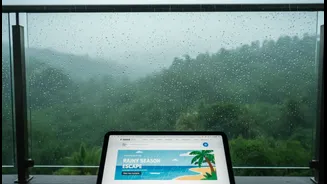
Shoulder season is the period just before and after a destination's peak tourist months. For most of Europe, this means April-May and September-October. For Goa, it could be the monsoon months of June to October, when the landscape is lush and the beaches
are quiet. The primary rewards are compelling: significantly lower prices on flights and hotels, fewer crowds at iconic landmarks, and milder weather. Imagine exploring the ancient ruins in Greece or the temples of Bali without the scorching summer heat or a sea of other tourists. This less crowded environment often leads to more authentic interactions, whether it's a chat with a local shop owner or a more intimate experience at a cooking class. Attractions that would require booking weeks in advance during peak season are often accessible with more spontaneity.
The Art of a Flexible Itinerary
The key to harnessing the power of the shoulder season is flexibility. Unlike peak season, where every detail must be locked in months ahead, this period allows for a more relaxed approach. However, it also comes with a degree of unpredictability. The weather can be changeable, with sunny afternoons followed by cool evenings, so packing layers is essential. A star attraction might have slightly reduced opening hours, or a local ferry service might run on a lighter schedule. Instead of seeing these as problems, treat them as opportunities. A flexible plan allows you to pivot. If a planned beach day is rained out, you can explore a local museum or a cozy café instead. Having a list of alternative activities is a core part of smart shoulder-season planning. This freedom from a rigid schedule is one of the greatest luxuries, allowing you to discover hidden gems you might have otherwise missed.
Why Deeper Research is Your Best Friend
While flexibility is crucial, it must be paired with thorough research. Knowing the specifics of your destination's shoulder season is non-negotiable. Start by identifying when this period actually occurs, as it varies widely. For Japan, for instance, travelling just before the main cherry blossom season can provide a similar floral beauty without the peak crowds. Your research should go beyond just weather forecasts. Check the operating hours for must-see attractions, as they might be shorter than in peak summer. Look into local holidays or festivals that might cause unexpected crowds or closures. For example, a major conference can spike hotel prices even during a typical shoulder month. Confirming transportation schedules, especially for regional trains or ferries, is also vital as they may be less frequent. A little homework upfront prevents disappointment on the ground and ensures you are prepared for the realities of the season.
Ideal Destinations for Indian Travellers
For Indian travellers, several international and domestic destinations have fantastic shoulder seasons. In Southeast Asia, Vietnam and Bali are excellent choices in their spring or autumn months, offering pleasant weather before the peak tourist or monsoon seasons fully kick in. In Europe, countries like Greece, Italy, and Spain are wonderful from April to early June and again from September to October, when the summer crowds have thinned and the heat is less intense. Domestically, the monsoon season can be considered a shoulder period for places like Goa and Kerala, where you can enjoy verdant landscapes and great deals on accommodation. Hill stations in Himachal Pradesh or the mountains of Ladakh also have shoulder periods in months like April or September, offering stunning scenery with fewer fellow visitors. Researching these specific windows is the first step to unlocking a more rewarding and affordable trip.