





Why the Monsoon Changes Your Skin's Needs
The defining characteristic of the monsoon is high humidity, which significantly alters your skin's behaviour. This constant moisture in the air can signal your sebaceous glands to produce even more oil, making oily skin feel greasier and more prone to breakouts.
[11] The mix of sweat, oil, and environmental pollutants can become a breeding ground for bacteria, leading to clogged pores. [11, 13] However, it's a common mistake to think this means your skin is hydrated. [9] Humidity can disrupt the skin's natural barrier, leading to increased water loss and a feeling of tightness or dullness, even if the surface feels oily. [10] This paradox—feeling greasy but being dehydrated—is why your winter cream just won't cut it.
The Case for a Lightweight Moisturiser
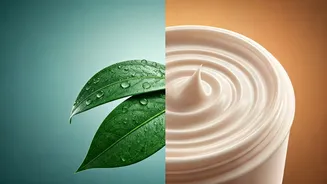
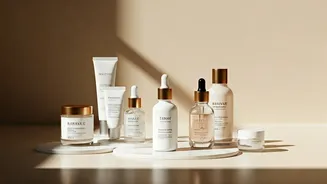
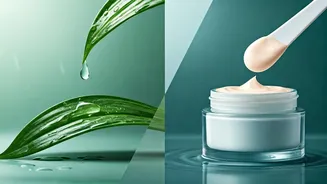
For most people, especially those with oily, combination, or acne-prone skin, a lightweight moisturiser is the hero of the monsoon season. [9, 18] Look for formulas labelled as gel-based, water-based, or non-comedogenic, as these are designed to hydrate without clogging pores. [6, 7] These products absorb quickly without leaving a sticky or heavy residue, which is a major benefit in humid weather. [17] The star ingredients in these formulations are humectants like hyaluronic acid and glycerin. [2, 7] Hyaluronic acid is particularly brilliant because it can hold up to 1,000 times its weight in water, providing intense hydration without any greasiness. [4, 5] Niacinamide is another excellent ingredient; it helps regulate oil production, minimise pores, and strengthen the skin barrier. [2, 4]
When a Rich Moisturiser Is Still Your Friend
While lightweight formulas are generally recommended, those with dry or mature skin shouldn't completely abandon richer creams. [9] The key is to choose wisely. Heavy, occlusive products containing ingredients like mineral oil can feel suffocating and block pores in high humidity. [2] However, if your skin is genuinely dry, it still needs lipid support to maintain its barrier and prevent water loss, even during the monsoon. [9] Look for creams that contain nourishing ingredients like ceramides or shea butter. [4, 2] Ceramides are fantastic for repairing the skin's barrier without feeling overly heavy. [4] For dry skin types, a rich moisturiser might be best used as part of your nighttime routine, allowing it to repair and nourish your skin while you sleep, while you opt for a lighter formula during the day. [21]
Decoding Your Skin Type for the Perfect Match
Understanding your skin is the first step to choosing the right product.
* Oily Skin: You notice shine and a greasy feeling soon after cleansing. Your pores may be visibly enlarged. Lightweight, oil-free, and non-comedogenic gel moisturisers are your best bet. [9, 26]
* Dry Skin: Your skin often feels tight, may look flaky, and rarely feels oily. You'll likely benefit from a more nourishing cream, especially at night, with ingredients like shea butter. [2, 9]
* Combination Skin: You have an oily T-zone (forehead, nose, and chin) but your cheeks are normal or dry. A gel-cream that balances hydration without being greasy is ideal. [9, 26]
* Sensitive Skin: Your skin is easily irritated and may react to new products or environmental changes. Look for fragrance-free formulas with soothing ingredients like aloe vera, cica (Centella Asiatica), or panthenol. [2, 12, 18]
Pro-Tips for Application and Ingredients
How you apply your moisturiser matters, too. Always apply it to slightly damp skin to lock in hydration more effectively. [5] During the monsoon, you might find you need less product than usual. A pea-sized amount is often sufficient. When scanning ingredient lists, look for hydrators like hyaluronic acid, glycerin, aloe vera, and niacinamide. [2] Ingredients like tea tree oil or salicylic acid can be beneficial for acne-prone skin during this season due to their antibacterial and pore-clearing properties. [2, 5, 9] It's generally wise to avoid very heavy oils and thick creams during the day, as they can feel uncomfortable and contribute to clogged pores in the humid weather. [7]