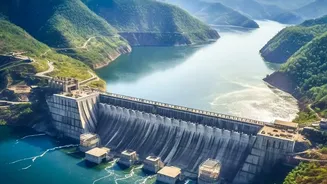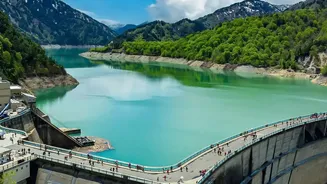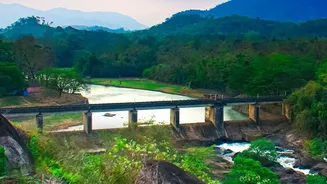



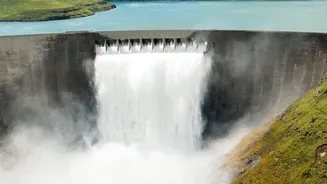
The idea of a dam-side road trip, with winding roads and expansive water views, is always alluring. Near Pune, Bhatghar Dam offers just that—a mix of history, nature, and raw beauty. Here’s a realistic guide to planning your visit.
An Engineering Marvel from the Raj Era
Bhatghar Dam, also known
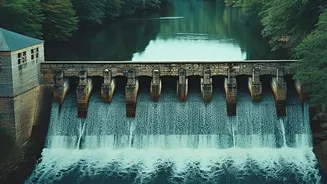
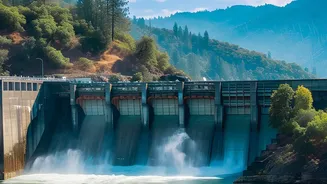
as Lloyd Dam, is not just a scenic spot but also a piece of history. Built on the Velvandi river near Bhor during the British Raj and completed in 1927, it is one of Maharashtra’s oldest dams. This massive gravity dam stands nearly 58 meters tall and stretches over 1.6 kilometres, creating a vast reservoir that serves irrigation and power generation needs. Its historical significance and impressive scale make it more than just a backdrop for a picnic; it’s a destination with a story.
The Journey: A Road Trip from Pune
The road trip to Bhatghar Dam, located about 50-60 km from Pune, is a key part of the experience. The most common route involves taking the Pune-Bangalore highway (NH 48) and making a turn at Kapurhol. The drive itself typically takes around 1.5 to 2 hours. While the highway stretch is smooth, the roads leading from the highway to the dam can be a mixed bag, with some stretches passing through scenic villages and others having potholes. The journey, especially during or after the monsoon, is filled with lush greenery and picturesque landscapes, setting the tone for the natural beauty that awaits.
What to See and Do at Bhatghar
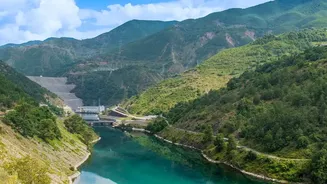
The main attraction is, of course, the dam itself and its vast backwaters. There are designated viewpoints that offer panoramic vistas of the reservoir against the backdrop of the Sahyadri hills. While organised water sports can be limited, the area is popular for boating, camping, and simply relaxing by the water. For those interested in exploring more, the nearby 'Necklace Point' is a must-visit. This viewpoint showcases a stunning U-shaped bend in the river that resembles a necklace, offering fantastic photo opportunities. Other nearby attractions include the historic Bhor Rajwada and several local temples like Baneshwar Temple.
The 'Realistic' Part: Managing Expectations
The headline promises a 'realistic look', so it's important to be prepared. Bhatghar is more of a rustic, offbeat destination than a highly developed tourist spot. This means amenities are basic. Food options are limited, mostly consisting of small local stalls, so packing your own snacks and water is highly recommended. Restroom facilities are also minimal. On weekends, especially during peak season, popular spots like Necklace Point can get crowded with visitors who often stay for short periods. The beauty of Bhatghar lies in its rawness, so visitors should expect a natural, less commercialised environment rather than polished tourist infrastructure.
Best Time to Visit
The best time to visit Bhatghar Dam largely depends on the experience you seek. The monsoon season, from June to September, is when the region is at its most vibrant. The dam is full, the landscape is a lush green paradise, and the weather is cool and pleasant. This is the ideal time for photography and enjoying the dramatic, rainwashed scenery. The postmonsoon months , from October to February , also offer pleasant weather , making it suitable for picnics and outdoor activities without the heavy rains . The summer months can be quite hot , making travel and exploration less comfortable .
Essential Travel Tips
To make the most of your trip , a little preparation goes a long way . First , carry enough cash , as digital payment options may not be available everywhere . Pack your own food and water , especially if you plan to spend a significant amount of time there . Wear comfortable footwear suitable for walking on uneven terrain , particularly if you plan to explore the areas around the backwaters . Finally , always check local conditions before you leave , especially regarding road status during heavy monsoons . Keep the environment clean by carrying your litter back with you to preserve the natural beauty of the place .