

The Great Monsoon Divide
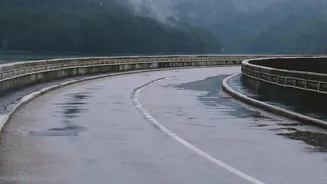
The most important factor in this decision is the starkly different weather. Kerala, in the south, embraces the full force of the Southwest Monsoon from June to September. It's a time of heavy, consistent rainfall, lush landscapes, and high humidity.
The state transforms into a vibrant green paradise, with rivers and waterfalls swelling to their peak. Ladakh, on the other hand, is a high-altitude cold desert located in the rain shadow of the Himalayas. This geographical advantage means that while the rest of India is drenched, Ladakh remains overwhelmingly dry and sunny. It receives minimal rainfall, often just short, occasional showers that make the air crisp and clear. For travellers, this means the monsoon months are actually Ladakh's peak season for comfortable weather and accessibility.
Landscapes: Emerald Green vs. Stark Grandeur
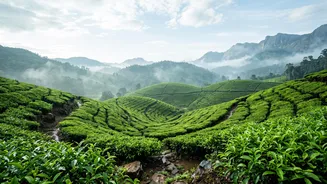
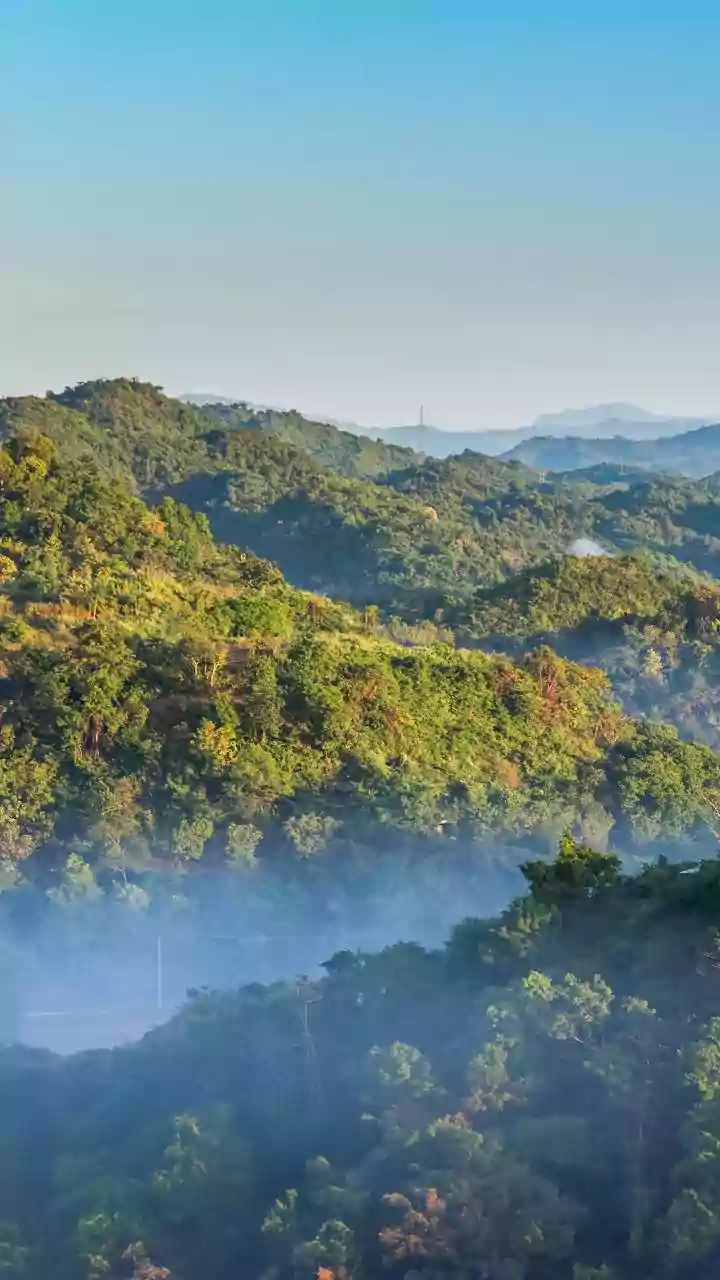
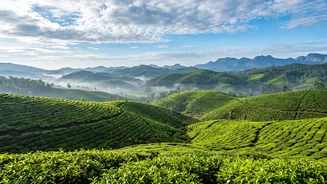
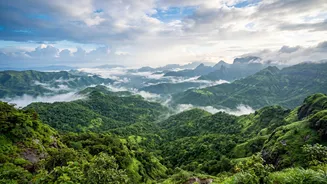
Your choice will dramatically alter the scenery you experience. A monsoon trip to Kerala is an immersion in green. The rain revitalises the sprawling tea plantations of Munnar, the dense forests of Wayanad, and the tranquil backwaters of Alleppey. The landscape is misty, romantic, and intensely alive, with clouds often hanging low over the hills and everything washed clean by the rain.
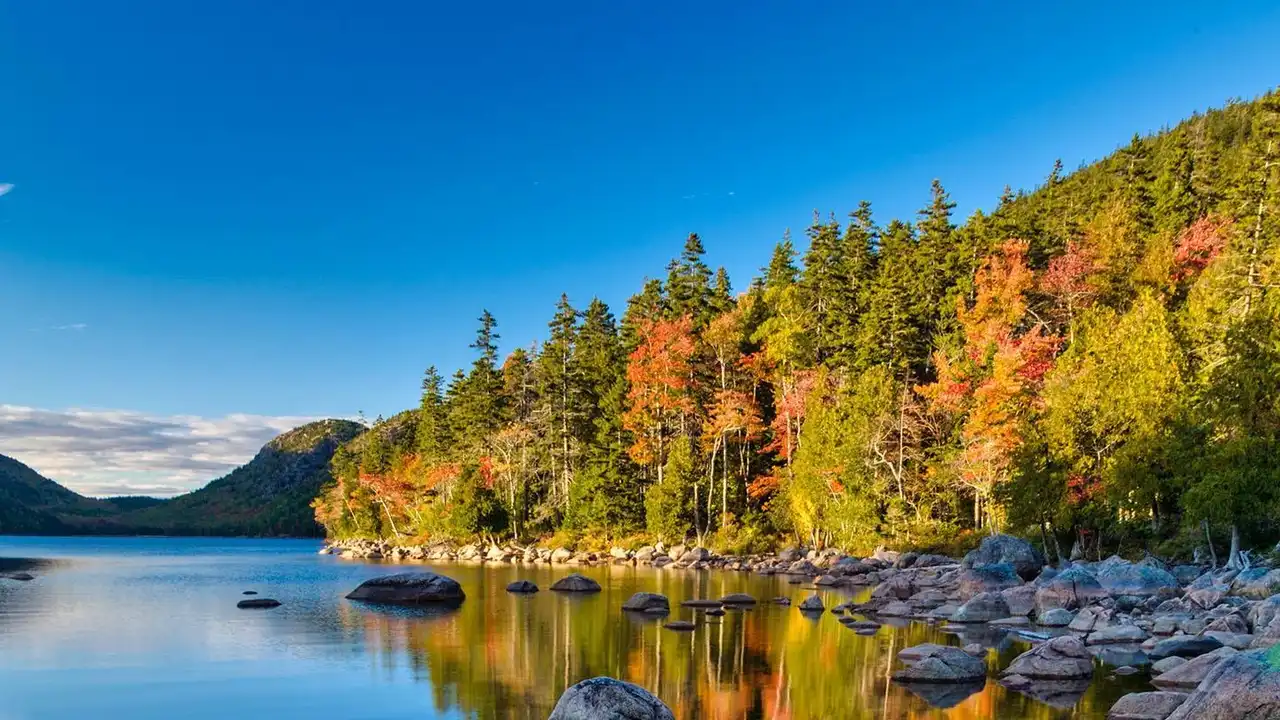
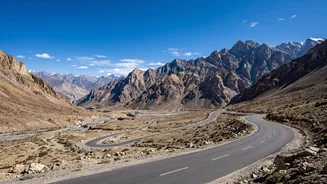
Ladakh offers an entirely different, but no less breathtaking, visual palette. Its beauty lies in its vast, barren mountains, deep blue skies, and crystal-clear high-altitude lakes like Pangong Tso and Tso Moriri. The occasional monsoon sprinkle can even bring out surprising patches of green and wildflowers against the dramatic brown and grey terrain, adding a unique texture to the landscape. The scenery here is about scale, grandeur, and the raw beauty of a high-altitude desert.
Activities: Rejuvenation vs. Adventure
The weather directly shapes what you can do. In Kerala, the monsoon is considered the ideal time for Ayurvedic treatments. The cool, moist air is believed to help the body respond best to therapies. It’s a season for relaxation, enjoying houseboat cruises on the backwaters while watching the rain, and savouring hot local food like banana fritters. While some outdoor activities might be limited, visiting magnificent waterfalls like Athirappilly, which are at their most powerful, is a major highlight.
In contrast, Ladakh's dry weather opens the door for adventure. The monsoon months are perfect for trekking challenging trails like the Markha Valley, white-water rafting on the Zanskar and Indus rivers, and embarking on road trips across high-altitude passes like Khardung La. All major internal roads and tourist destinations are typically open and accessible, making it the prime time for exploration and outdoor pursuits.
Travel Vibe: Off-Season Deals vs. Peak Season Buzz
The monsoon is the off-peak season for tourism in Kerala. This translates to significant advantages: fewer crowds at popular spots, more relaxed travel, and often better deals on flights and accommodation. It’s a chance to experience the state in a more peaceful, introspective way. However, travellers should be prepared for potential travel disruptions in hilly areas like Munnar due to heavy rain and the risk of landslides.
For Ladakh, July and August are peak tourist months. While this means more travellers, it also means all services are fully operational. The main travel challenge isn't the weather in Ladakh itself, but on the access highways like the Manali-Leh and Srinagar-Leh roads, which can face blockages due to landslides in their lower, rain-affected stretches. Flying directly into Leh is a popular and safer alternative to bypass these potential road issues.