




Sabudana: The Unlikely Energy Source
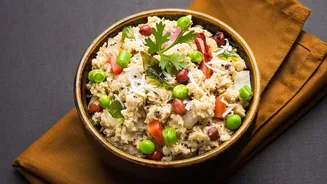
For many, the word 'vrat' or 'upvas' immediately brings to mind the pearly white spheres of sabudana, or tapioca pearls. Whether in a creamy kheer or a savoury khichdi, it is the undisputed star of the fasting platter. What’s fascinating is that sabudana is a relatively
modern addition to the Indian diet and not a traditional grain at all. It is the processed starch extracted from the root of the cassava plant, which was brought to India from South America. Its popularity in fasting is rooted in pure food science. During a fast, the body needs a clean, easily digestible source of energy. Sabudana is almost pure carbohydrate, providing a quick and sustained release of glucose that helps prevent fatigue and keeps energy levels stable throughout the day. Since it is not a grain, it bypasses the traditional restrictions against cereals like wheat and rice, making it a perfect, permissible source of fuel.
Sendha Namak: The Purest Seasoning
Why switch to a different salt during Navratri or Ekadashi? The answer lies in the concept of purity. Sendha namak, or rock salt, is the purest form of salt available. Unlike commercially produced table salt, which is typically sourced from the sea and undergoes extensive refining and anti-caking agents, sendha namak is mined from ancient salt deposits in its crystalline form. It is completely unprocessed and free from the chemical treatments that table salt may undergo. From an Ayurvedic perspective, rock salt is highly prized. It is considered cooling, rather than heating like sea salt, making it gentler on the digestive system, especially when the body is in a more sensitive state during a fast. It also contains trace minerals like potassium, magnesium, and calcium, which are crucial for maintaining the body's electrolyte balance and preventing the dehydration and muscle cramps that can sometimes accompany fasting.
Singhara Atta: The Fruit-Based Flour
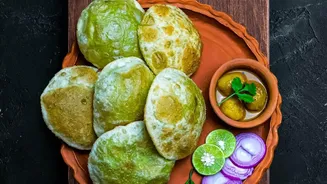
Most traditional fasts require abstaining from cereal grains like wheat, rice, and millet. This is where singhara atta, or water chestnut flour, comes to the rescue. Puris, parathas, and halwa made from this dark, dense flour are staples of the fasting diet. The key to its acceptance is that the water chestnut is not a grain. It is the fruit of an aquatic plant, which grows in slow-moving water. After being harvested, the fruit is boiled, peeled, and dried before being ground into flour. This makes it a permissible 'phalahar' (a diet based on fruits) ingredient. Nutritionally, singhara atta is a powerhouse. It is naturally gluten-free, rich in potassium and fibre, and has a low glycemic index compared to wheat flour. This ensures that it provides lasting energy without causing sharp spikes in blood sugar levels, helping to manage hunger pangs and provide a feeling of satiety, a welcome benefit when one is observing a strict fast.