



The Purity of Cold-Pressing
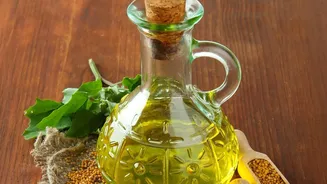
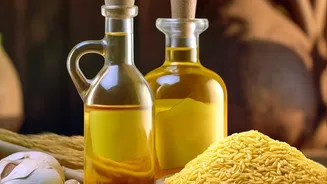
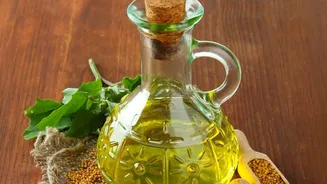
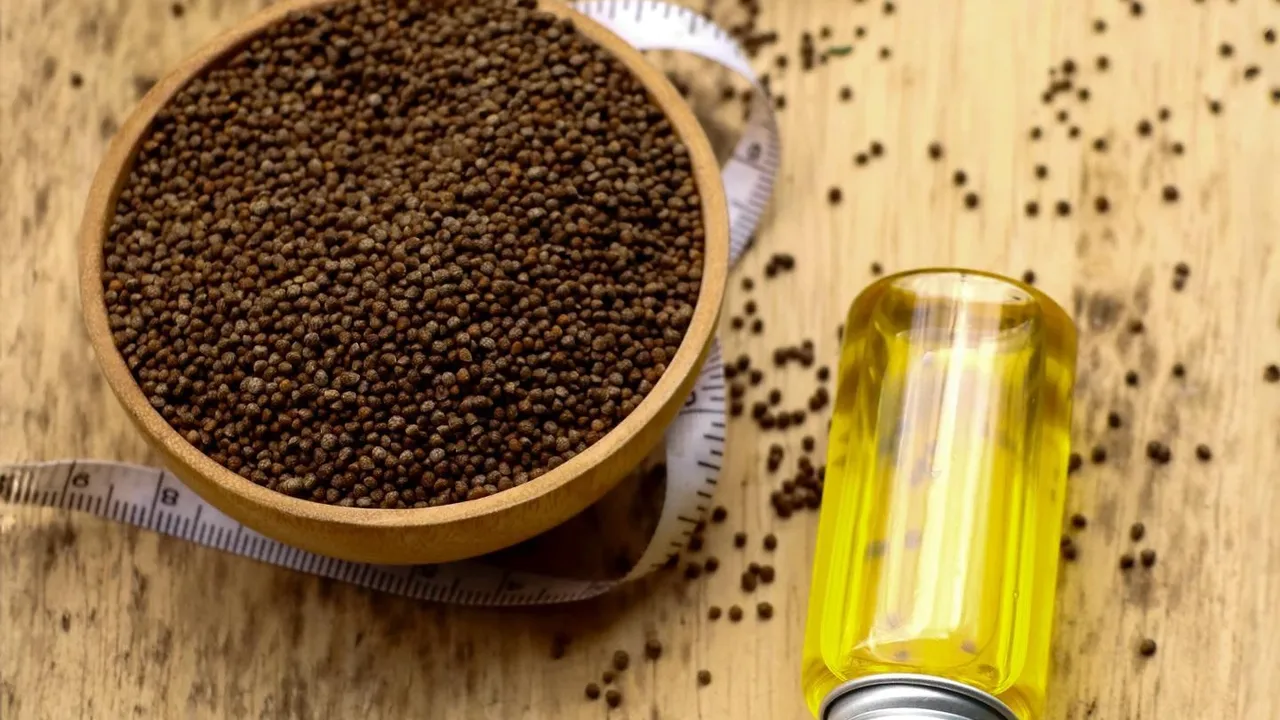
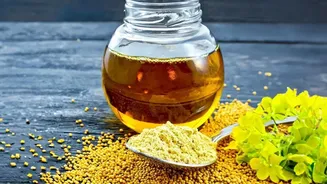
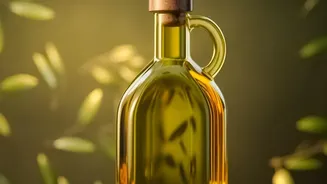
The primary difference between traditional 'kachi ghani' (cold-pressed) mustard oil and modern refined oils lies in the extraction process. Refined oils are subjected to high temperatures and chemical solvents to create a neutral, shelf-stable product,
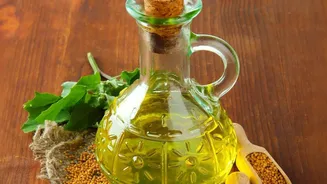
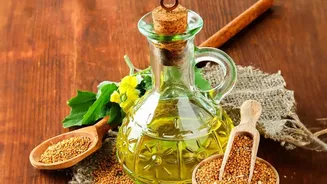
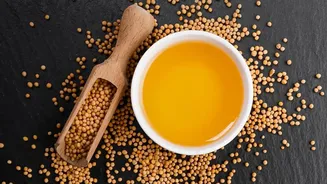
but this strips away vital nutrients, flavour, and aroma. In contrast, cold-pressing involves mechanically crushing mustard seeds at low temperatures without heat or chemicals. This gentle method ensures the oil retains its natural components, including antioxidants, vitamins, and essential fatty acids, resulting in a healthier, more flavourful product.
A Superior Nutritional Profile
Cold-pressed mustard oil is a nutritional powerhouse. It is rich in monounsaturated (MUFA) and polyunsaturated fatty acids (PUFA), which are known to be beneficial for heart health. Unlike many other oils, it contains a favourable balance of omega-3 and omega-6 fatty acids, which helps in managing inflammation. Furthermore, it is a natural source of Vitamin E and antioxidants that combat oxidative stress in the body. This composition makes it a healthier choice over refined oils, which are often nutritionally empty.
Ideal for the Indian Kitchen
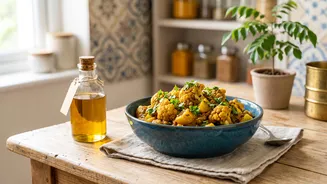
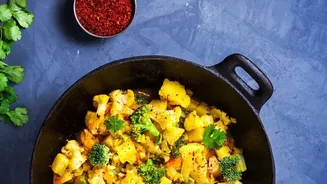
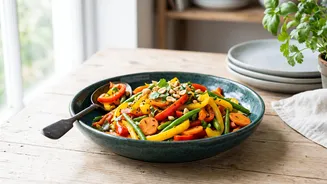
With a high smoke point of around 250°C, cold-pressed mustard oil is perfectly suited for various Indian cooking methods. Whether you are deep-frying pakoras, preparing a tadka for dal, or sautéing vegetables, this oil remains stable and doesn't break down into harmful compounds. Its characteristic pungent flavour, which comes from a compound called allyl isothiocyanate, adds a unique and authentic taste to traditional dishes like curries and pickles. This flavour mellows upon heating, infusing the food with a warm, nutty aroma.
Supported by Tradition and Science
For generations, mustard oil has been a cornerstone of Indian cooking and traditional medicine. Its use in preserving pickles is a testament to its natural antimicrobial and antifungal properties. Modern studies have started to validate this traditional wisdom, linking mustard oil consumption to improved cardiovascular health, better digestion, and reduced inflammation. Research has indicated that populations using mustard oil for cooking may have a lower risk of heart disease compared to those using other oils.
Making an Informed Choice
Concerns have been raised in some Western countries regarding erucic acid, a natural component of mustard oil. However, these concerns are largely based on older animal studies using extremely high doses. In India, the Food Safety and Standards Authority of India (FSSAI) approves pure mustard oil for cooking, and it has been consumed by generations without adverse effects at normal dietary levels. When making the switch, look for 'cold-pressed' or 'kachi ghani' on the label to ensure you are getting an unrefined, nutrient-rich product.