


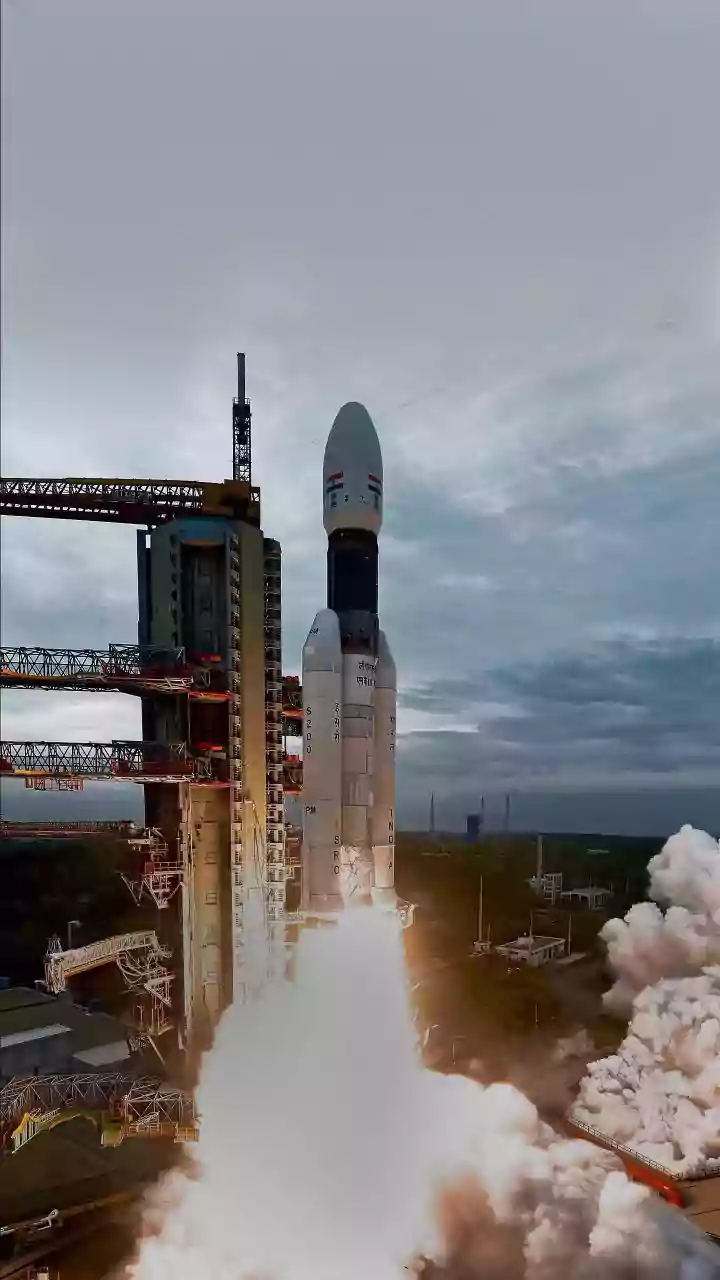



A Galaxy of Opportunity
For decades, a career in India's space sector meant one thing: securing a coveted position at the Indian Space Research Organisation (ISRO). Today, that picture has dramatically changed. Following landmark policy reforms in 2020, the government opened
the doors for private enterprise, transforming a state-led program into a dynamic, multi-billion-dollar ecosystem. Projections show India's space economy rocketing from around $9 billion today to over $40 billion by 2030. This growth is being fuelled by over 400 private startups and significant government support, including liberalised Foreign Direct Investment (FDI) rules. The goal is to move from being a government-dominated field to an industry-led one, creating thousands of high-skilled jobs in the process.
ISRO's New Role and Private Pioneers
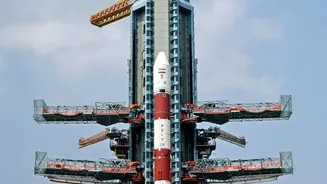
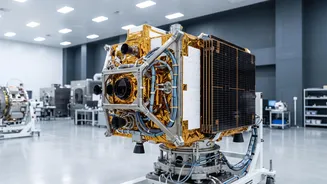
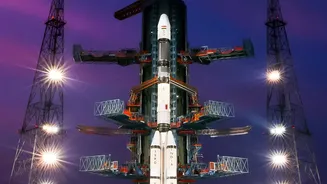
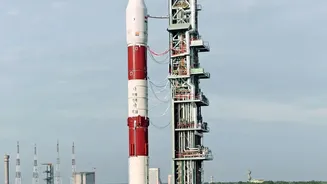
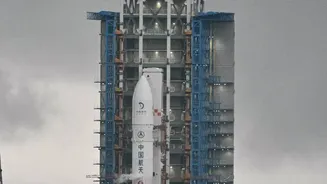
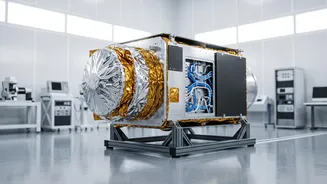
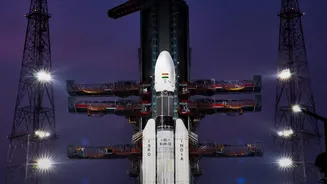
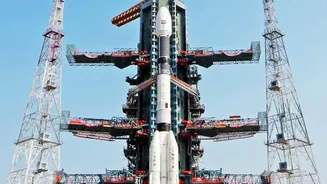
This expansion doesn't mean ISRO is stepping back; instead, its role is evolving. ISRO will now focus more on advanced research and development, deep-space exploration like the Gaganyaan human spaceflight mission, and strategic national projects. Meanwhile, routine manufacturing and operational activities, such as building launch vehicles like the PSLV and SSLV, are being transferred to private companies. This strategic shift allows a new league of private players to flourish. Companies like Skyroot Aerospace, which became the first Indian private company to launch a rocket, and Agnikul Cosmos, known for its 3D-printed rocket engines, are leading the charge in building launch vehicles. In the satellite domain, firms like Pixxel (hyperspectral imaging), Dhruva Space (satellite platforms), and Bellatrix Aerospace (satellite propulsion) are creating end-to-end solutions for global clients.
Beyond the Aerospace Engineer
The most exciting aspect of this new space age is the sheer diversity of career paths opening up. The mental image of a space job being limited to an aerospace engineer is now outdated. While engineers remain crucial, the demand is much broader. The growing number of private companies need talent across the entire value chain. Software engineers are needed to develop flight software, mission control systems, and autonomous navigation algorithms. Data scientists and analysts are in high demand to process the vast amounts of information sent back by Earth observation satellites, providing insights for agriculture, urban planning, and climate monitoring for companies like SatSure. The industry also requires professionals in electronics, robotics, AI/ML, manufacturing, systems integration, and even non-technical fields like space law, finance, and business development.
Skills for the Final Frontier
For students and professionals aspiring to join this boom, a specific set of skills is becoming essential. A strong foundation in STEM—particularly physics and mathematics—is a prerequisite for most technical roles. Degrees in aerospace, mechanical, electronics, and computer science engineering are common entry points. However, companies are increasingly looking for more. Proficiency in software like Python and MATLAB, along with experience in computational tools like CATIA and ANSYS, is highly valued. Systems thinking—the ability to understand how complex subsystems interact within a spacecraft or launch vehicle—is a critical skill. For those interested in the burgeoning satellite data sector, expertise in GIS and remote sensing is key. Importantly, the private sector offers faster career progression and broader role exposure than was previously possible, making it an attractive path for a new generation of talent.