








Goodbye to the Orange Paper Card
For decades, travellers to Australia have been familiar with the orange Incoming Passenger Card, a paper form filled out just before landing. The Australian government has announced this is being phased out. In its place, a new digital system, the Australia Travel
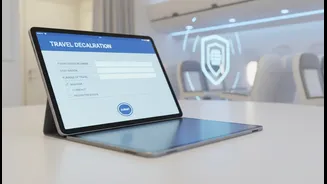
Declaration, is being rolled out. This move is part of a A$56.1 million government initiative to modernise the country's borders, reduce paperwork, and speed up airport processing. This isn't Australia's first attempt at digitisation; a previous Digital Passenger Declaration (DPD) was introduced in 2022 but later discontinued. The new system aims to be a more streamlined and successful replacement.
What Is the Australia Travel Declaration?
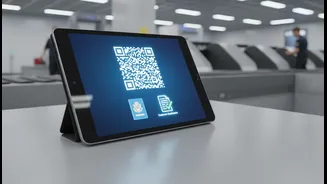
The Australia Travel Declaration is a digital replacement for the paper arrival card. It allows international passengers, including those from India, to submit their customs and biosecurity information online before they arrive in the country. The goal is to provide a faster and more convenient experience for travellers and allow border authorities to receive and assess passenger information earlier. This can help strengthen border security and better identify potential biosecurity risks, such as travellers carrying prohibited food or plant materials. Upon completing the declaration, travellers will receive a QR code, which can be scanned by border officials upon arrival.
How to Complete the New Declaration
Travellers will be able to complete the new declaration online up to 72 hours before their flight. Initially, the system will be available via a web-based form, with plans to integrate it into airline apps in the future. A successful pilot program involving over 450,000 Qantas passengers has already paved the way for the broader rollout. To complete the form, you will need your passport, flight details, and information about what you are bringing into the country. It is crucial to have internet access and a smartphone to use the digital system, so it’s a good idea to save a screenshot of your QR code in case of connectivity issues at the airport.
When Does This Change Take Effect?
The Australian government announced on July 13, 2026, that the new digital system will be rolled out in phases across the country's international airports and seaports over the next 12 to 18 months. The rollout follows a successful trial that began in October 2024 on select Qantas flights into Sydney, Melbourne, and Brisbane. During the transition period, the traditional paper Incoming Passenger Cards will continue to be available. This means travellers should check the requirements for their specific arrival airport, as the paper forms will remain in use where the digital system has not yet been implemented.
What Stays the Same for Indian Travellers?
While the arrival declaration process is changing, other core entry requirements remain the same. The new declaration does not replace an Australian visa. Indian citizens still need to apply for and obtain a valid Australian visa before travelling. Australia does not offer a visa-on-arrival facility for Indian nationals. It is also important to remember that all declarations, whether digital or on paper, are legally binding. You must truthfully answer all questions about your health, character, and what goods you are bringing into the country. Failure to do so can result in penalties or even visa cancellation.