





A Blueprint Passed Through Generations
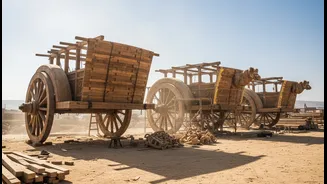
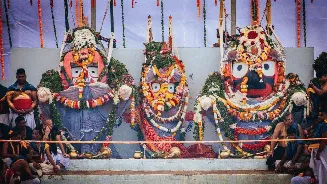
The construction of the three iconic chariots—Nandighosha for Lord Jagannath, Taladhwaja for Lord Balabhadra, and Darpadalana for Devi Subhadra—is a tradition that begins on the auspicious day of Akshaya Tritiya. This is not a task for just any carpenter;
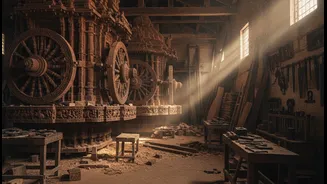
it is the hereditary privilege of a select group of artisans known as 'Biswakarmas'. These skilled craftsmen do not use modern architectural drawings or manuals. Instead, they rely on knowledge passed down through generations, using measurements based on hand spans ('haat') and finger widths ('anguli'). This ancestral wisdom ensures that despite being built from scratch annually, the chariots conform to the exact specifications that have been followed for centuries.
The Science of Scale and Material
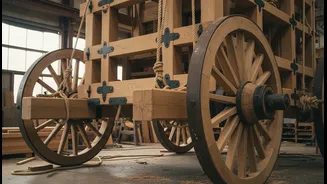
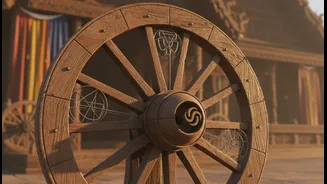
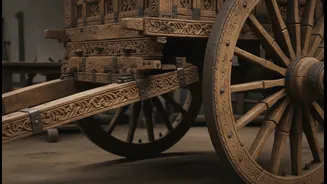
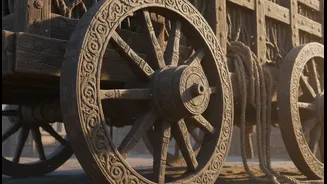
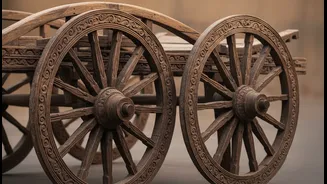
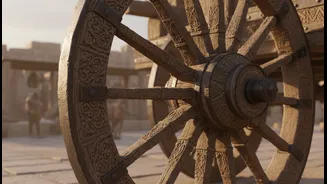
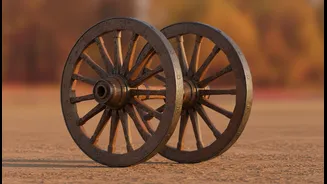
The sheer scale of the chariots demands meticulous engineering. Lord Jagannath's Nandighosha stands about 45 feet tall, built on a platform with 16 massive wheels, each seven feet in diameter. Taladhwaja is about 44 feet high with 14 wheels, and Darpadalana is 43 feet high with 12 wheels. The construction uses over 4,000 pieces of specific woods like phassi and dhausa, sourced from designated forests. One of the most astounding facts is that the primary structure is assembled without a single iron nail. Instead, the massive wooden components are interlocked using mortise and tenon joints and wooden pegs, a testament to ancient structural engineering principles that allow for both strength and flexibility.
Designing for Movement and Safety
Moving these behemoths through the crowded Grand Road of Puri, which hosts hundreds of thousands of devotees, is a significant challenge. The design must ensure perfect balance and stability. The most critical aspect is the braking system. Traditionally, this involved servitors manually lowering a large wooden beam in front of the wheels to create friction and slow the chariot down. In recent years, this traditional method has been augmented with modern engineering insights to improve safety. Retired engineer Ashwini Kumar Mishra famously designed an enhanced braking system using sal wood logs fitted with durable rubber straps and spikes, which grip the road more effectively. This fusion of old and new ensures the procession remains safe without compromising the core traditions.
More Than Just Wood and Wheels
The engineering doesn't stop at the frame. Every element is carefully planned. Each chariot is adorned with specific colours and symbols; Nandighosha is wrapped in red and yellow cloth, Taladhwaja in red and green, and Darpadalana in red and black. These are prepared by hereditary tailors. The structure must also support nine wooden deities, known as Parsva Devatas, a charioteer, and four wooden horses. The assembly is a complex, multi-stage process involving around 200 artisans from different specialised groups, from the blacksmiths who forge clamps to the painters who decorate the final structure. The state's Works Department even issues a fitness certificate before the yatra begins, often with engineers on standby, highlighting the blend of faith with modern safety protocols.