






New Pacts Form a Strong Foundation
The core of this enhanced cooperation rests on two main pillars: India's signing of the Artemis Accords and the bilateral Initiative on Critical and Emerging Technology (iCET), which has since evolved into the TRUST initiative. India joined the Artemis Accords in 2023,
becoming part of a U.S.-led coalition of nations committed to a common set of principles for peaceful and transparent lunar exploration. This move signalled a strategic shift from India's traditional stance of operating independently or through UN-led frameworks. Complementing this is the TRUST (Transforming the Relationship Utilizing Strategic Technology) framework, which identifies space as a key area for co-development and co-production. Together, these agreements create a formal channel for deeper collaboration, moving beyond one-off projects to a more integrated and continuous partnership.
Major Boost for ISRO's Flagship Missions
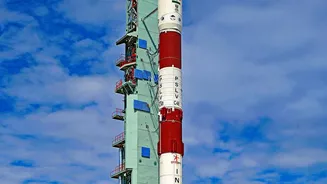
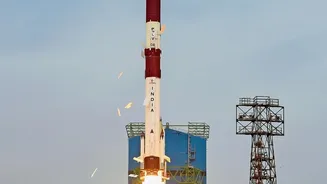
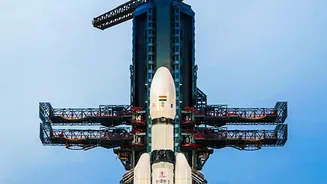
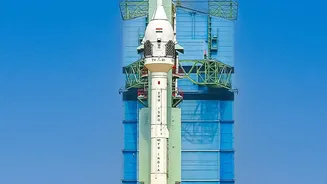
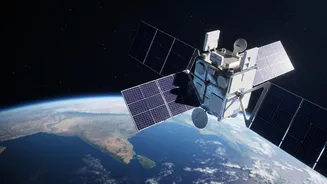
For the Indian Space Research Organisation (ISRO), the collaboration brings direct and significant advantages. A prime example is the Gaganyaan mission, India’s ambitious human spaceflight programme. As part of the partnership, Indian astronaut candidates are training at NASA's Johnson Space Center in Houston to prepare for a joint mission to the International Space Station (ISS). This hands-on experience with ISS protocols and systems is invaluable for the development of Gaganyaan. Furthermore, the successful joint NASA-ISRO Synthetic Aperture Radar (NISAR) mission, which launched in July 2025, is a testament to the power of this partnership. The satellite, equipped with radars from both NASA and ISRO, provides crucial all-weather data on Earth's changing ecosystems and surfaces, aiding in disaster management and climate monitoring. More recently, NASA invited ISRO to participate in its Moon Base program, a major step toward long-term lunar exploration.
A Launchpad for India's Private Space Industry
Perhaps the most significant long-term impact will be on India’s burgeoning private space sector. The U.S.-India partnership aims to foster commercial collaboration, connecting American and Indian space companies. For India's over 400 space startups, this is a golden opportunity. Closer ties with the U.S. space ecosystem can provide access to global supply chains, attract foreign investment, and lend international credibility. The Artemis Accords, in particular, create a framework that encourages private enterprise in building lunar infrastructure and expanding the space economy. As the U.S. looks to its partners to contribute to its ambitious space goals, Indian firms specializing in satellite manufacturing, launch vehicle components, and software services are well-positioned to become key suppliers, potentially boosting India's space economy to a projected $44 billion by 2033.
The Strategic and Geopolitical Dimension
This deepening space alliance is not just about science and commerce; it carries significant geopolitical weight. The partnership is a key component of the broader strategic alignment between India and the U.S., aimed at ensuring a secure and rules-based order in the Indo-Pacific and beyond. By collaborating on cutting-edge space technology, both nations aim to create a technology ecosystem based on shared democratic values. This cooperation is widely seen as a way to build a resilient alternative to other major space-faring nations. As India transitions from being a cost-effective launch provider to a major player in deep space exploration, this alliance solidifies its status as a leading power, capable of shaping the future of international space governance.