






The Search for Quiet Magic
For years, monsoon travel in India meant navigating the overflowing weekend crowds at popular hill stations or coastal towns. But a noticeable shift is underway. Driven by a desire to escape over-tourism and discover more authentic experiences, travellers
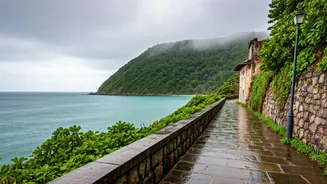
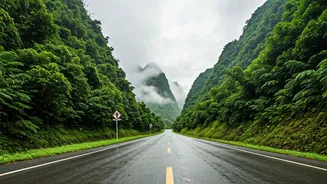
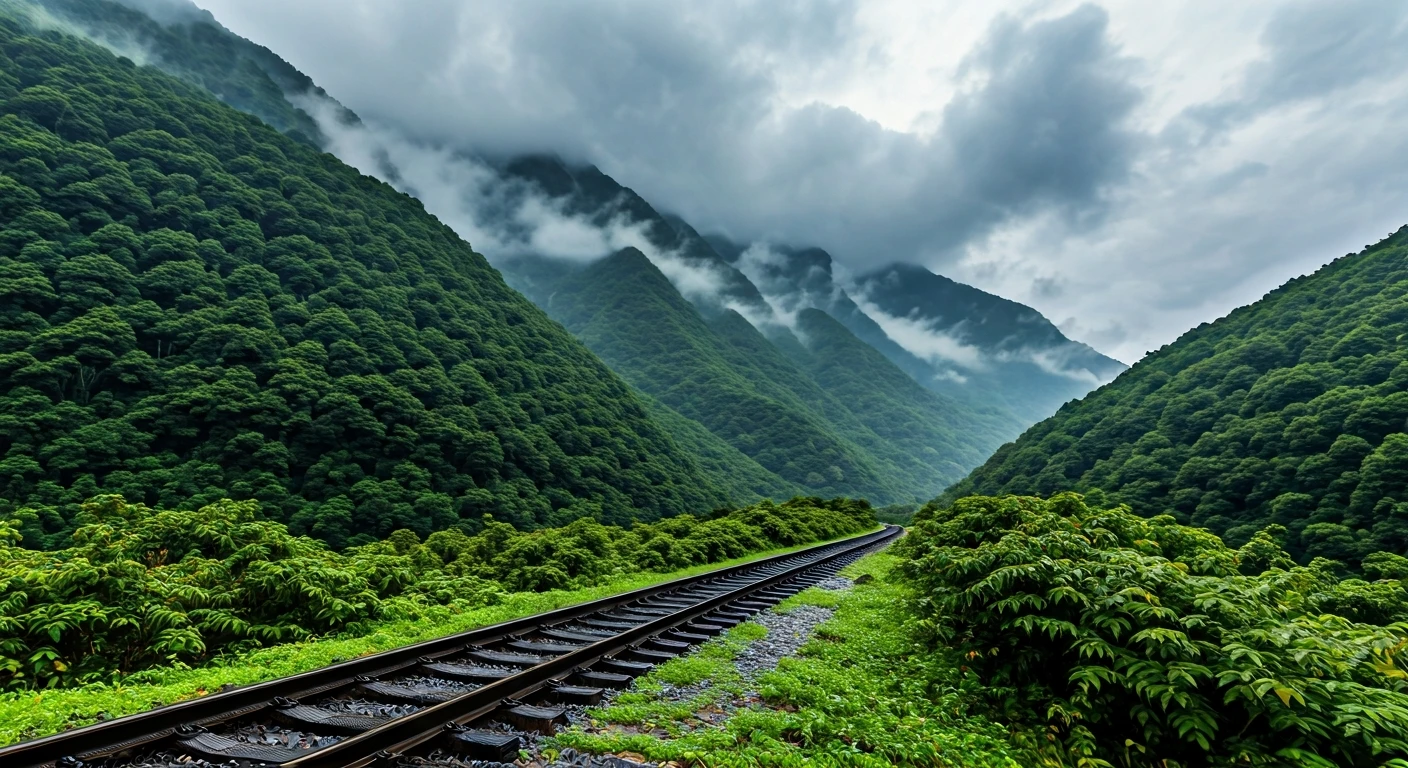
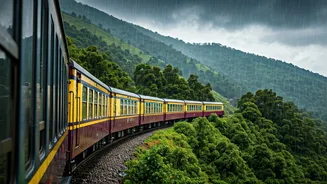
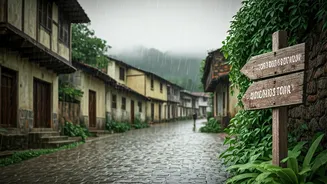
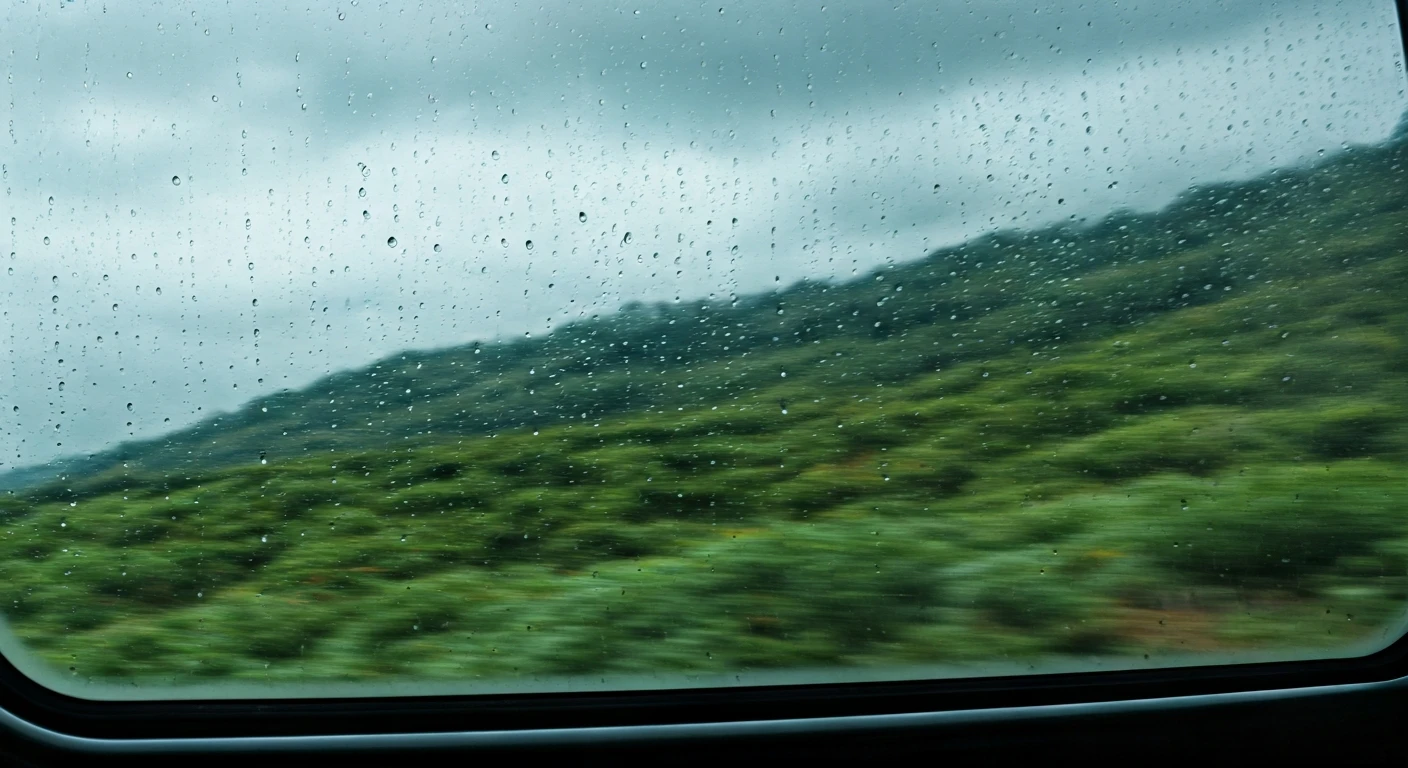
are turning their attention to the nation's smaller, lesser-known destinations. This trend, sometimes called micro-tourism, is about more than just avoiding crowds; it is about seeking a deeper connection with a place, its culture, and its natural rhythm. Instead of fighting for a parking spot, today's traveller wants to sip chai on a quiet veranda, listen to the rain, and watch a landscape transform. The fatigue from jam-packed tourist hubs has paved the way for a quieter, more intentional kind of travel where the destination's monsoon-drenched atmosphere is the main attraction.
Spotlight: Heritage Washed Anew
Imagine ancient forts and forgotten palaces draped in mist, their stone walls glistening with fresh rain. This is the monsoon experience in heritage towns like Orchha and Mandu in Madhya Pradesh. Orchha, a town that can be dry and dusty in the summer, becomes a vision of green during the rains. Its magnificent cenotaphs along the Betwa River, surrounded by lush foliage, offer a serene and almost mystical sight. Similarly, the historic fort city of Mandu is a revelation in the monsoon. Known for its romantic tales, the city's architectural marvels, like the Jahaz Mahal, feel even more enchanting when enveloped in mist and surrounded by vibrant greenery. Visiting these places during the rains is like seeing them in high definition, with every detail sharpened and the history feeling more palpable.
Spotlight: The Hills Come Alive
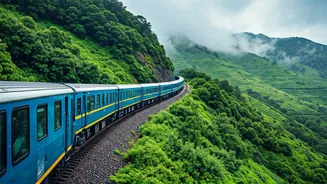
While big-name hill stations grapple with traffic, smaller mountain retreats like Bhandardara in Maharashtra offer a tranquil alternative. Nestled in the Western Ghats, Bhandardara transforms into a green paradise during the monsoon. Waterfalls like Randha Falls, which are modest trickles in other seasons, become thunderous cascades. Arthur Lake, the heart of the region, fills to the brim, its waters reflecting the misty, emerald hills that surround it. The cool, crisp air, the sound of gushing water, and the panoramic views from atop places like Mount Kalsubai make it a haven for nature lovers and trekkers. It’s a sensory experience—the smell of wet earth, the sight of countless waterfalls, and a profound sense of peace that’s hard to find in more commercialized locations.
The Practical Appeal of the Off-Season
Beyond the aesthetic and atmospheric charm, choosing smaller destinations in the monsoon comes with tangible benefits. For many of these locations, the rainy season is considered the shoulder or off-season, which often translates to more attractive prices for accommodation and fewer tourists to contend with. This allows for a more relaxed and intimate travel experience. You’re more likely to have that stunning viewpoint all to yourself or get a table at the best local eatery without a long wait. This slower pace not only makes for a more restful holiday but also allows for more meaningful interactions with the local community. It’s a chance to experience a place as its residents do, seeing it in its most natural and rejuvenated state.