



A Path of Rare Opportunity
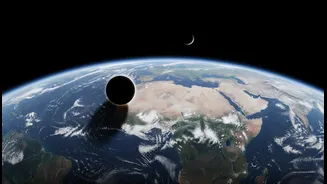
A total solar eclipse happens somewhere on Earth roughly every 18 months, but most occur over oceans or inaccessible regions. The 2026 eclipse is special because its path of totality—the narrow corridor where the Sun is completely obscured—crosses populated
and relatively accessible land. It begins over remote Siberia, sweeps across eastern Greenland and the west coast of Iceland, before concluding over northern Spain and the Balearic Islands. This makes it the first total solar eclipse to be visible from mainland Europe since 1999, sparking huge interest among scientists and travellers. While cities like Reykjavík in Iceland will experience totality, Spain is expected to be the main destination for eclipse chasers due to better weather prospects. This accessibility creates a massive, real-world laboratory for both professional and citizen scientists.
The Spectacle of a Sunset Eclipse
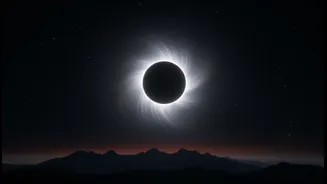
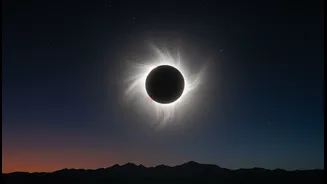
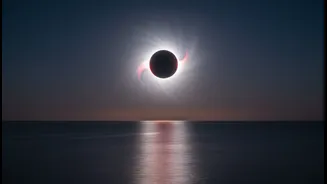
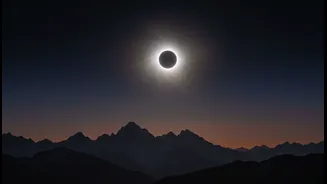
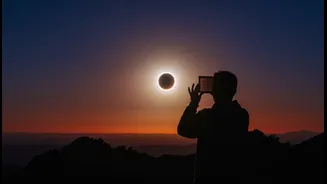
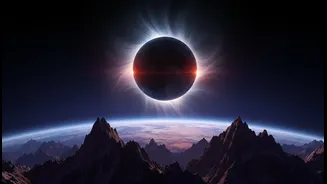
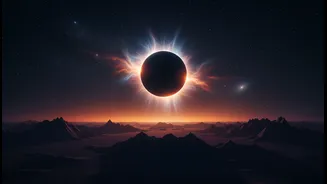
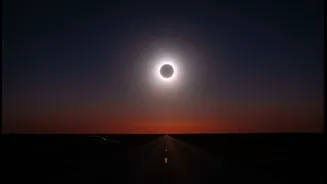
What makes the Spanish leg of this eclipse truly extraordinary is its timing. For observers in northern Spain and the Balearic Islands like Mallorca, totality will occur very late in the day, with the eclipsed sun hanging just a few degrees above the western horizon. This low altitude presents both a challenge and a spectacular opportunity. Observers will need a completely unobstructed view to the west, free of hills or buildings. But the reward is a breathtaking sight: a sunset totality. The celestial event, combined with the atmospheric effects of a low sun, promises to create dramatic, reddish-hued views of the solar corona that are rarely witnessed. This unique geometry will offer photographers and scientists a chance to capture the eclipse over stunning landscapes and seascapes.
Unlocking the Sun’s Coronal Secrets
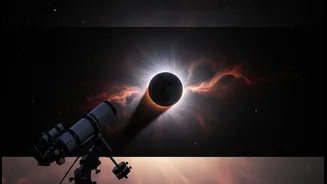
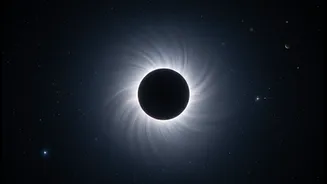
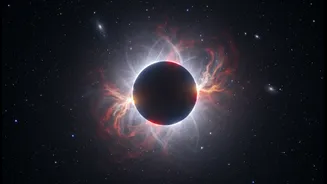
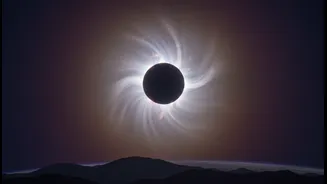
For scientists, a total solar eclipse is a golden opportunity. By blocking the Sun's blinding disk, the Moon reveals the Sun's faint, superheated outer atmosphere: the corona. Normally invisible, the corona holds keys to understanding major solar mysteries, like the origin of the solar wind and the processes that heat the corona to millions of degrees—far hotter than the Sun's surface. During the brief minutes of totality, researchers can study the intricate structures, loops, and streams within the corona that are shaped by the Sun's magnetic field. International collaborations are already planned for the 2026 event. The NATE project, for instance, will use the eclipse in Palencia, Spain, as a dress rehearsal to test equipment and train teams for an even longer eclipse in 2027. These observations are crucial for improving our understanding of space weather, which can impact satellites and power grids on Earth.
A Global Gathering Under the Shadow
The phrase "Global Totality" isn't just about the physics of the eclipse; it's about its power to unite people. The 2026 eclipse path crosses multiple countries and cultures, bringing together a diverse mix of scientists, amateur astronomers, photographers, and curious travellers. Spain, in particular, is preparing for a massive influx of visitors, turning cities like Valencia, Zaragoza, and Bilbao into temporary astronomical hubs. This shared experience fosters a sense of global community, as people from around the world gather to witness a single, awe-inspiring celestial event. For a few minutes, national borders seem to dissolve under the Moon's shadow, reminding us of our shared place in the cosmos. The event will even be followed just hours later by the peak of the annual Perseid meteor shower, offering a double celestial treat for those who stay up.