





Start with Forgiving Plants
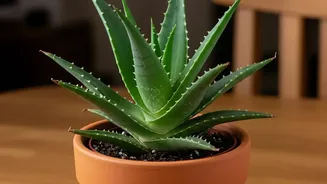
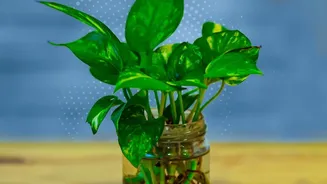
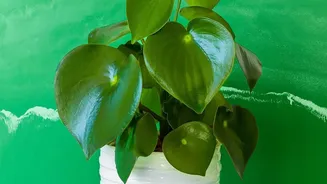
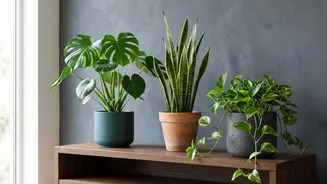
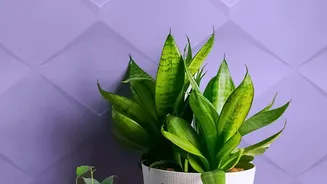
The easiest way to find success is to start with plants that are known for their resilience. Choosing a demanding plant from the start can be discouraging. For Indian homes, several low-maintenance options thrive in typical indoor conditions. Plants like
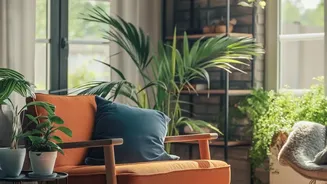
the Money Plant (Epipremnum aureum), Snake Plant (Sansevieria trifasciata), and ZZ Plant (Zamioculcas zamiifolia) are excellent choices for beginners. They are famously tolerant of a range of lighting conditions and can bounce back if you occasionally forget to water them. Others like the Areca Palm and Peace Lily are also great choices that are both beautiful and relatively easy to care for.
Mastering the Art of Watering
The single most common mistake beginners make is overwatering. Plant roots need oxygen as much as they need water, and constantly wet soil can lead to suffocation and root rot. Instead of watering on a fixed schedule, check the soil first. A simple method is to stick your finger about an inch into the soil. If it feels dry, it's time to water; if it's still moist, wait a few more days. When you do water, do it thoroughly. Pour water slowly and evenly over the soil surface until it begins to flow out of the drainage holes at the bottom of the pot. This ensures the entire root system gets a drink. After about 30 minutes, be sure to empty any excess water from the saucer so the plant isn't left sitting in water.
Let There Be (the Right) Light
All plants need light for photosynthesis, but 'low light' doesn't mean 'no light'. Most houseplants thrive in bright, indirect light—think of a well-lit room where the sun's rays don't fall directly on the leaves. Direct, harsh sunlight can scorch the leaves of many popular tropical plants. Signs that your plant isn't getting enough light include slow growth, smaller new leaves, and stems that look stretched out as they lean towards a window. Conversely, brown, crispy spots on leaves can be a sign of sunburn. Before buying a plant, observe the light in your home throughout the day and choose a plant that matches the conditions you can provide.
The Right Foundation: Pots and Soil
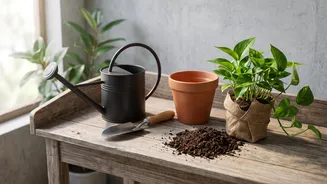
The container and soil you choose are fundamental to your plant's health. The most crucial feature of any pot is a drainage hole. Without it, water will pool at the bottom, leading to root rot. If you fall in love with a decorative pot that has no holes, you can use it as a 'cachepot'—simply place the plant in a plain plastic pot with drainage, and then set that inside the decorative one. When it comes to soil, never use soil directly from your garden. Garden soil is too dense for containers, compacts easily, and can suffocate roots. Instead, use a high-quality potting mix formulated for indoor plants. These mixes are lighter and contain ingredients like peat moss, coco coir, and perlite, which help with moisture retention, aeration, and drainage.
Basic Upkeep for Thriving Plants
Beyond light and water, a little regular care goes a long way. During the growing season (typically spring and summer), most houseplants benefit from being fertilized every few weeks to replenish nutrients in the soil. However, be careful not to over-fertilize, which can burn the roots. It's also a good idea to gently wipe your plant's leaves with a damp cloth every so often. Dust can accumulate on the leaves, blocking light and hindering photosynthesis. Finally, keep an eye out for early signs of common pests like fungus gnats or spider mites. Catching these problems early makes them much easier to manage. A healthy, well-cared-for plant is naturally more resilient to pests and diseases.