




Why Too Much Rain Is a Problem
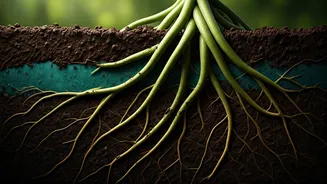
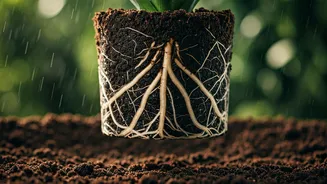
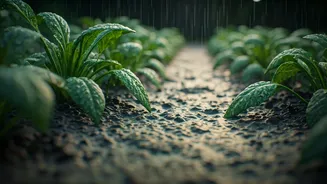
We're taught that plants need water to survive, but they also need to breathe. Plant roots require oxygen for respiration, the process of converting food into energy. When soil becomes waterlogged after heavy or prolonged rain, the water fills all the tiny
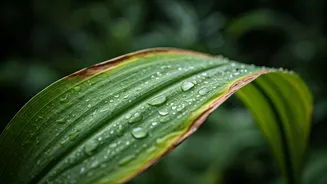
air pockets between soil particles. This effectively pushes out the oxygen, suffocating the roots. Without oxygen, roots can't absorb nutrients, they stop growing, and they become vulnerable to disease. This leads to root rot, a fungal disease that thrives in wet, oxygen-poor conditions and can quickly kill a healthy plant. Ironically, a plant drowning in water can show symptoms similar to a plant in a drought, such as wilting and yellowing leaves, because its damaged roots can no longer absorb water or nutrients effectively.
Assess Your Soil's Drainage
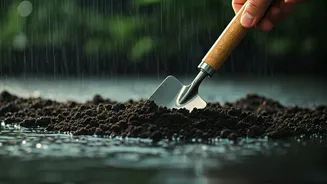
The first step in protecting your garden is understanding your soil. Heavy clay soils, common in many parts of India, are made of fine particles that compact easily and drain slowly. Sandy soils, on the other hand, drain too quickly. The ideal is loamy soil, which has a balanced texture. You can perform a simple test: dig a small hole, about a foot deep, and fill it with water. Time how long it takes to drain. If it takes more than a few hours, your drainage is poor. Another sign of compaction is when a screwdriver or trowel is difficult to push into moist soil. Water that pools on the surface for more than a few minutes after a downpour is also a clear indicator that your soil is struggling to cope.
Improve Airflow in Garden Beds
If you have compacted or heavy soil, you need to manually introduce air. The simplest method is to use a garden fork. Once the soil is moist but not waterlogged, gently push the fork a few inches into the ground every 10-15 centimetres and wiggle it back and forth. This creates small channels for air and water to penetrate without excessively disturbing the soil structure. For a more long-term solution, amend your soil by adding organic matter. Incorporating compost, aged manure, or coco-peat improves soil structure, creating more air pockets and promoting healthy microbial activity that naturally aerates the soil. Applying a two- to three-inch layer of organic mulch like dried leaves or wood chips can also help by preventing the soil surface from being hammered and compacted by heavy raindrops.
Special Care for Potted Plants
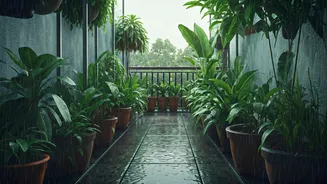
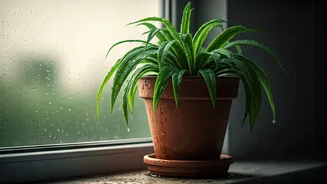
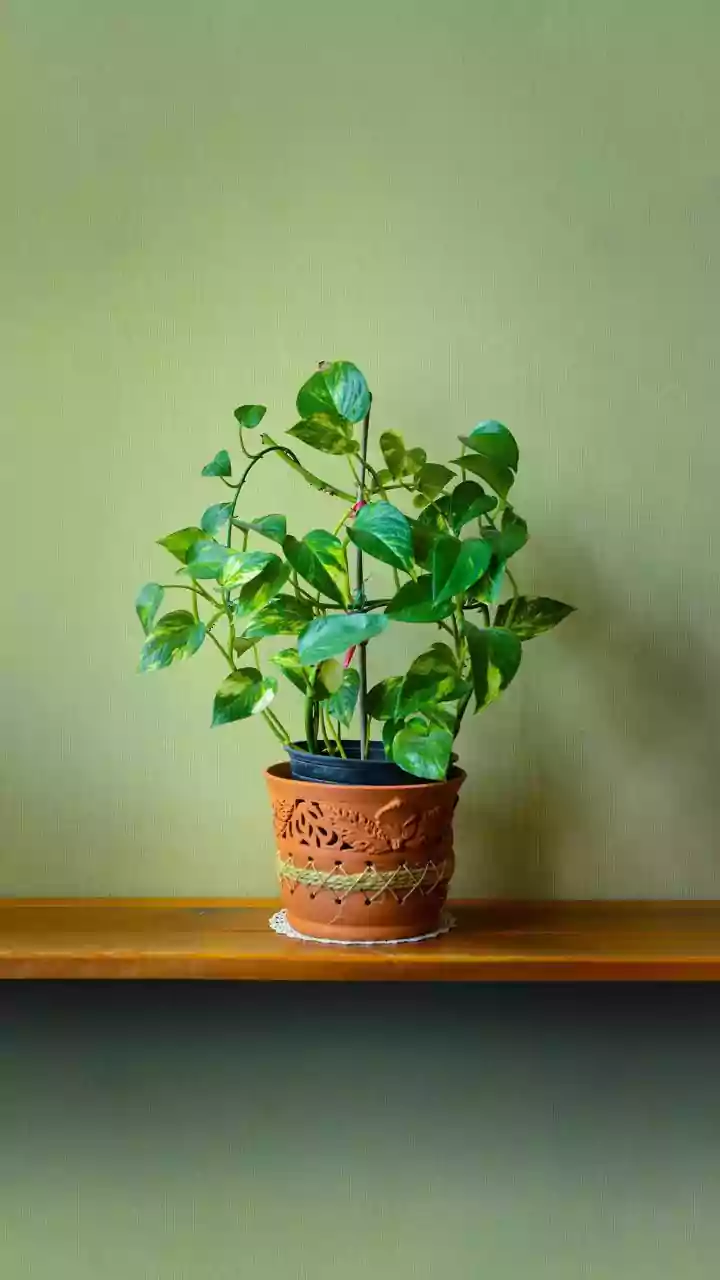
Container gardens are especially vulnerable to waterlogging. The most critical rule is to ensure every pot has adequate drainage holes. Don't let pots sit directly on the ground where water can pool around the base. Elevating them on bricks or 'pot feet' allows excess water to escape freely and air to circulate underneath. If a heavy downpour is expected, consider moving smaller, more delicate pots under a covered patio or awning. Always check the soil before watering; even during the monsoon, a pot might not need more water. Stick your finger two inches into the soil. If it feels moist, hold off on watering.
Pruning and Spacing for Better Circulation
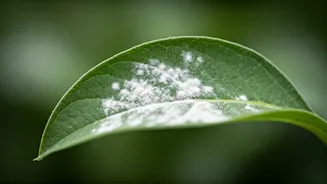
Good airflow above the ground is just as important as it is below. Overcrowded plants trap moisture and humidity, creating a perfect breeding ground for fungal diseases like powdery mildew. Ensure there is proper spacing between your plants to allow for air circulation, which helps dry out the foliage after rain. Pruning can also make a significant difference. Trim away any dead or diseased foliage and thin out dense canopies to open them up. This allows more light and air to reach the inner parts of the plant and the soil surface, reducing the risk of disease and helping the soil dry out more evenly.