



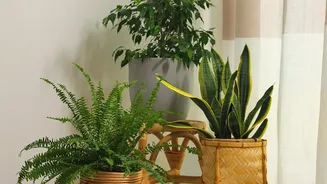
The Secret to Low-Light Survival
Why do some plants flourish far from a window while others wither? The answer lies in their origins. Many popular low-light houseplants are native to tropical rainforest floors, where they live under the shade of a dense tree canopy. They have adapted
to survive on the dappled, indirect light that filters through, making them naturally suited for the dimmer corners of our homes. These plants have evolved to be incredibly efficient at photosynthesis, the process of converting light into energy. This means they can make the most out of very little light. It’s important to remember that 'low light' doesn't mean 'no light'. Every plant needs some natural light to survive, but these hardy varieties are perfect for rooms with north-facing windows or spots several feet away from a light source.
The Architectural Snake Plant
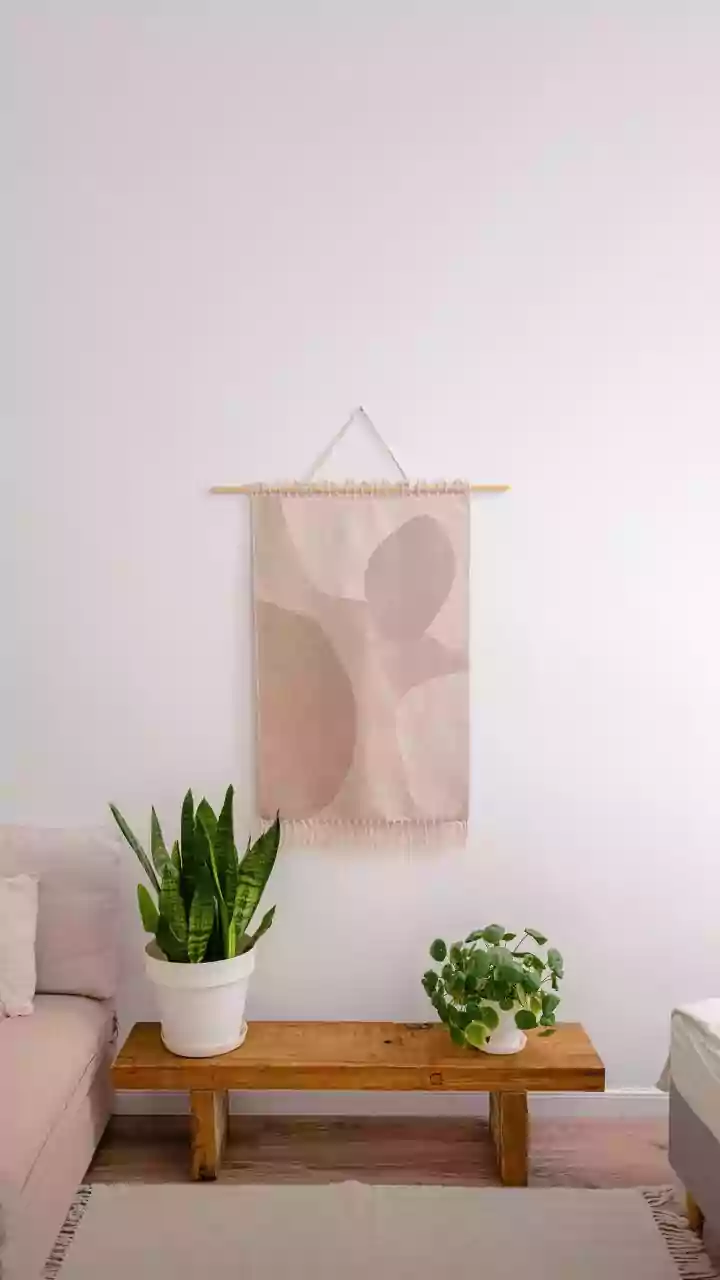
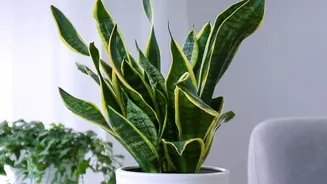
The Snake Plant, or Sansevieria, is famous for being nearly indestructible, making it a top choice for beginners. Its stiff, upright leaves have a modern, architectural look that adds a strong vertical element to any room. It is exceptionally tolerant of low light, although it will grow faster and its variegation may be more pronounced in brighter, indirect light. One of its standout features is its ability to purify the air by filtering toxins and releasing oxygen at night, making it an excellent choice for bedrooms. Because it stores water in its leaves, the Snake Plant is drought-tolerant and highly susceptible to overwatering. Let the soil dry out completely between waterings. For decor, use a single Snake Plant in a stylish pot as a minimalist statement piece in a corner or place a row of them on a low bench to create a living screen.
The Indestructible ZZ Plant
If you have a habit of forgetting to water your plants, the Zamioculcas zamiifolia, or ZZ Plant, is your perfect match. Known for its wide, dark green, glossy leaves that look perpetually polished, this plant is a favourite for offices and dim rooms. It is exceptionally drought-tolerant thanks to its large, potato-like rhizomes that store water underground. Overwatering is its only real enemy. The ZZ plant handles low light better than almost any other houseplant, continuing to look lush even with minimal natural light, though its growth may slow. Its upright, arching stems bring a touch of the tropics indoors. Use it as a floor plant in a dark corner of your living room or place a smaller one on a desk where it can be appreciated up close. It requires so little care that it’s often mistaken for a high-quality artificial plant.
The Versatile Pothos
Often called the Money Plant in India, Pothos (Epipremnum aureum) is a fast-growing, trailing vine that is incredibly forgiving. It's one of the most versatile plants for indoor decor. Its heart-shaped leaves, often variegated with yellow or white, look stunning cascading from a hanging basket, trailing from a high shelf, or even trained to climb a wall. Pothos adapts well to a wide range of light conditions and will thrive in medium to low light, though very low light might reduce the variegation in its leaves. It’s also great at communicating its needs; if the leaves start to droop, it’s a clear sign that it needs water. This easy-to-read signal makes it fantastic for beginners learning to understand plant care cues. Its fast-growing nature provides a quick sense of accomplishment for new plant parents.
The Charming Spider Plant
The Spider Plant (Chlorophytum comosum) is a classic for a reason. With its arching, grass-like leaves and easy-going nature, it brings a sense of cheerful energy to a room. It prefers bright, indirect light but adapts well to lower light conditions, making it a flexible choice for various spots in your home. One of its most delightful features is its ability to self-propagate by sending out long stems with small baby plants, or 'spiderettes', at the ends. These can be easily snipped off and planted to create new plants, making it the gift that keeps on giving. Spider Plants look fantastic in hanging baskets, where their cascading babies can be fully appreciated. They are also known to be excellent air purifiers and are non-toxic to pets, making them a safe and healthy choice for any household.