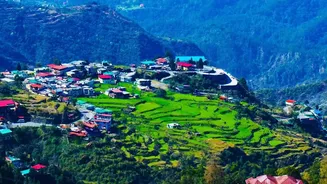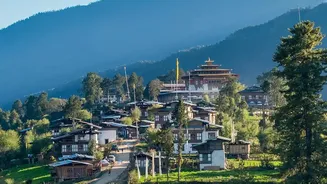


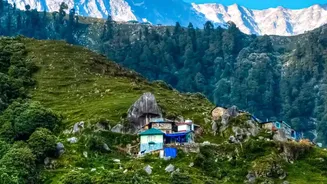
Forget the crowded hill stations. A different kind of Himalayan journey awaits in Uttarakhand's Kumaon region—one that trades tourist hubs for quiet forest trails, village life, and a genuine connection to culture.
Beyond the Beaten Path
For many, a trip to Uttarakhand means
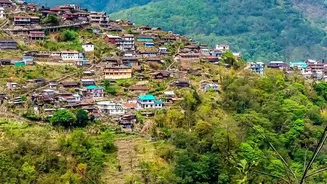
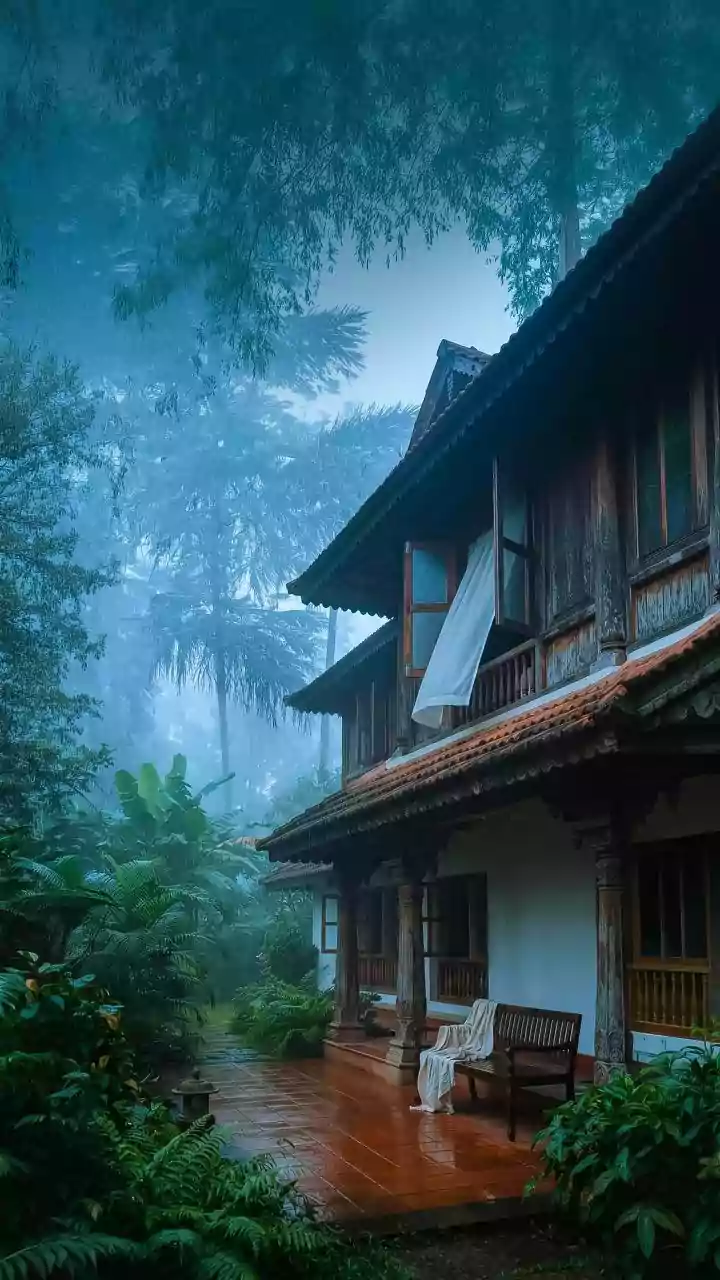
Nainital's lakes or Mussoorie's mall road. But a quieter, more profound experience is gaining ground, built around the principles of community-based tourism. This model invites travellers not just to see a place, but to become a small part of it. The idea is simple: instead of large hotels, visitors stay in homestays or community-owned guesthouses located in serene villages. This approach provides a sustainable income for rural families, helping to preserve their way of life and the fragile Himalayan ecosystem. For the traveller, it offers an unfiltered glimpse into the rhythms of Kumaoni life.
The Journey Into Kumaon
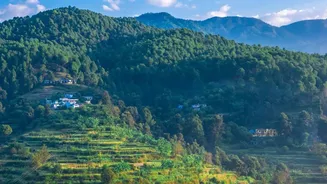
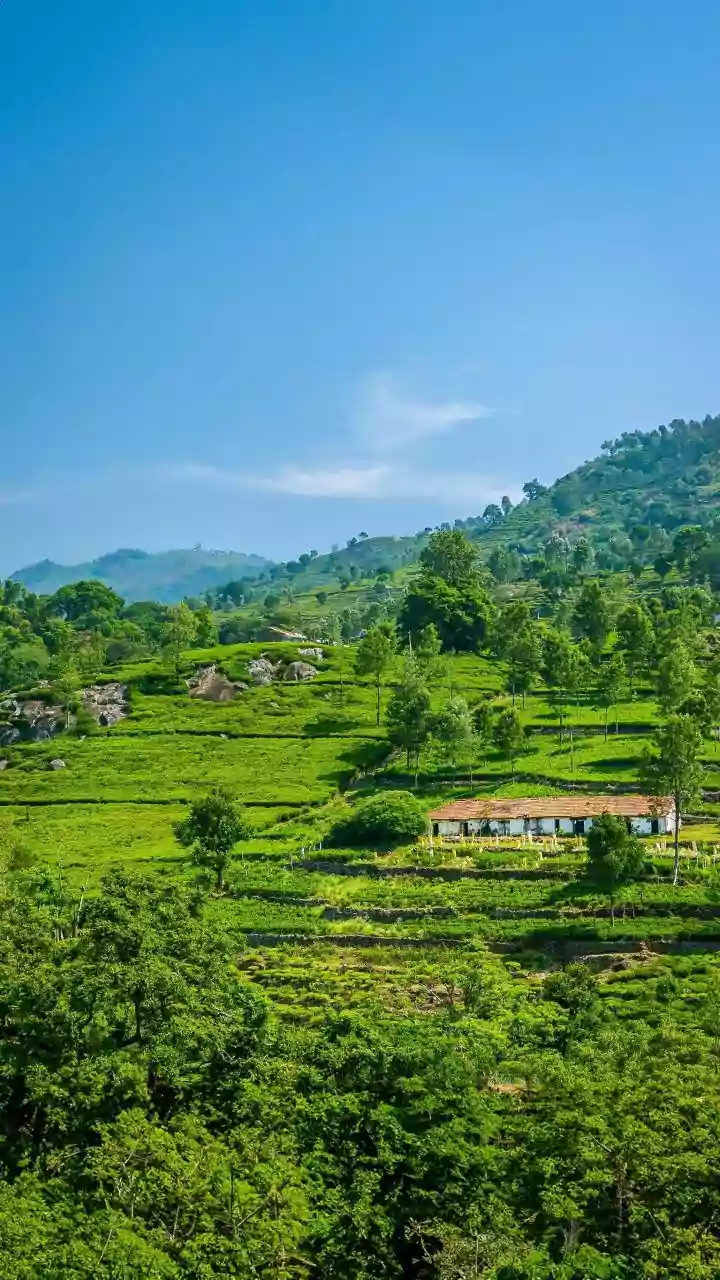
A typical four-day itinerary begins with a journey to the Binsar Wildlife Sanctuary area, a region of pine and rhododendron forests dotted with tiny hamlets. After arriving at the railhead in Kathgodam, a scenic drive takes you into the hills, far from the commercial buzz. Day one is about acclimatising. You might settle into a charming village guesthouse in a place like Gonap or Supi, where the community manages the stay. The evening is spent sipping chai on a terrace, watching the sun dip behind distant peaks, and enjoying a home-cooked meal made with ingredients sourced from the village itself.
Walking Through Forested Trails
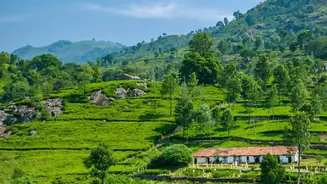
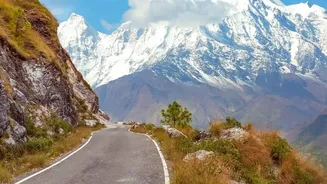
The heart of this experience lies in the walks that connect the villages. Days two and three are dedicated to exploring the region on foot. Guided by a local, you'll traverse ancient paths through dense forests, with panoramic views of snow-capped peaks like Nanda Devi and Trishul on clear days. Your luggage is often transported by porters, leaving you free to immerse yourself in the surroundings. These walks are not strenuous treks but gentle hikes, offering ample time to observe the region's rich birdlife, learn about local flora, and interact with villagers along the way. Each night is spent in a different village, allowing you to experience the unique character of each community.
Discovering the Soul of Aipan
No cultural tour of Kumaon is complete without experiencing its vibrant folk art, Aipan. This traditional art form, with its intricate red-and-white patterns, adorns the floors and walls of homes, especially during festivals. It's a ritual art passed down through generations of women. Many community tourism initiatives offer workshops where you can learn the craft directly from local artisans. Using a red ochre base and a rice flour paste, you are guided to create the symbolic geometric and floral motifs. It’s a meditative and deeply personal way to connect with the region's cultural heritage.
Planning Your Responsible Trip
Several organisations facilitate these community-based tours, ensuring that tourism benefits the local economy directly. When planning, look for operators that explicitly mention partnerships with village communities. The best time to visit is during the spring (March-April) for flowering rhododendrons or post-monsoon (September-November) for clear mountain views. A few tips for responsible travel include carrying cash, as digital payments can be unreliable in remote areas, packing layered clothing, and always asking for permission before photographing people or their homes. Reducing plastic waste by carrying a reusable water bottle is also highly encouraged.