
The Legend of a Noble King
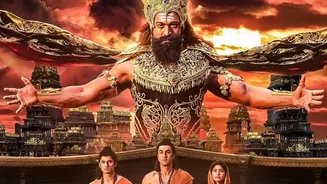
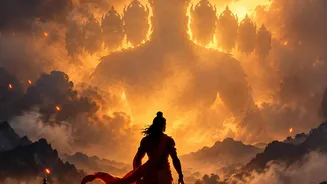
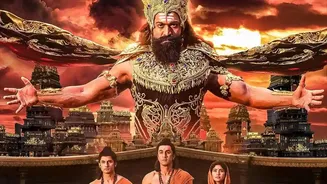
Jatayu, the noble 'King of Vultures' and a friend of King Dasharatha, plays a pivotal role in the Ramayana. Hearing Sita’s cries as the demon king Ravana abducted her in his flying chariot, Jatayu immediately intervened. Despite his age, he fought valiantly,
shattering Ravana’s chariot and attacking the demon with his claws and beak. But Ravana, wielding his powerful sword, ultimately overwhelmed the great bird, slicing off his wings. As Jatayu fell to the earth, mortally wounded, he held on to life just long enough to inform Rama and Lakshmana of Sita’s abduction and the direction Ravana had flown, providing a crucial lead in their quest. His sacrifice is a profound symbol of duty and valour, and his story gives several places across India a deep, spiritual significance.
The Fall: Lepakshi, Andhra Pradesh
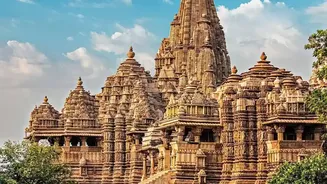
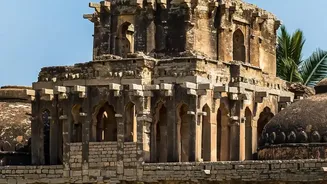
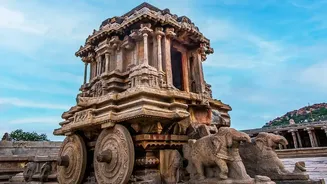
One of the most prominent sites associated with the legend is Lepakshi in Andhra Pradesh. Local tradition holds that this is where the wounded Jatayu fell to the ground. The name 'Lepakshi' itself is believed to derive from the Telugu words 'Le Pakshi', meaning 'Rise, Bird'—the command that Lord Rama is said to have given the dying hero upon finding him. While the magnificent Veerabhadra temple and its famous monolithic Nandi statue are major draws, many visitors come specifically to feel the connection to this poignant moment in the Ramayana. A Jatayu theme park now also commemorates this event, allowing visitors to connect directly with the epic tale.
The Last Breath: Chadayamangalam, Kerala
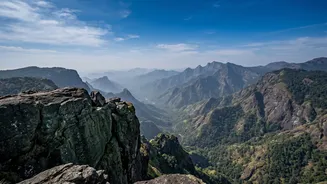
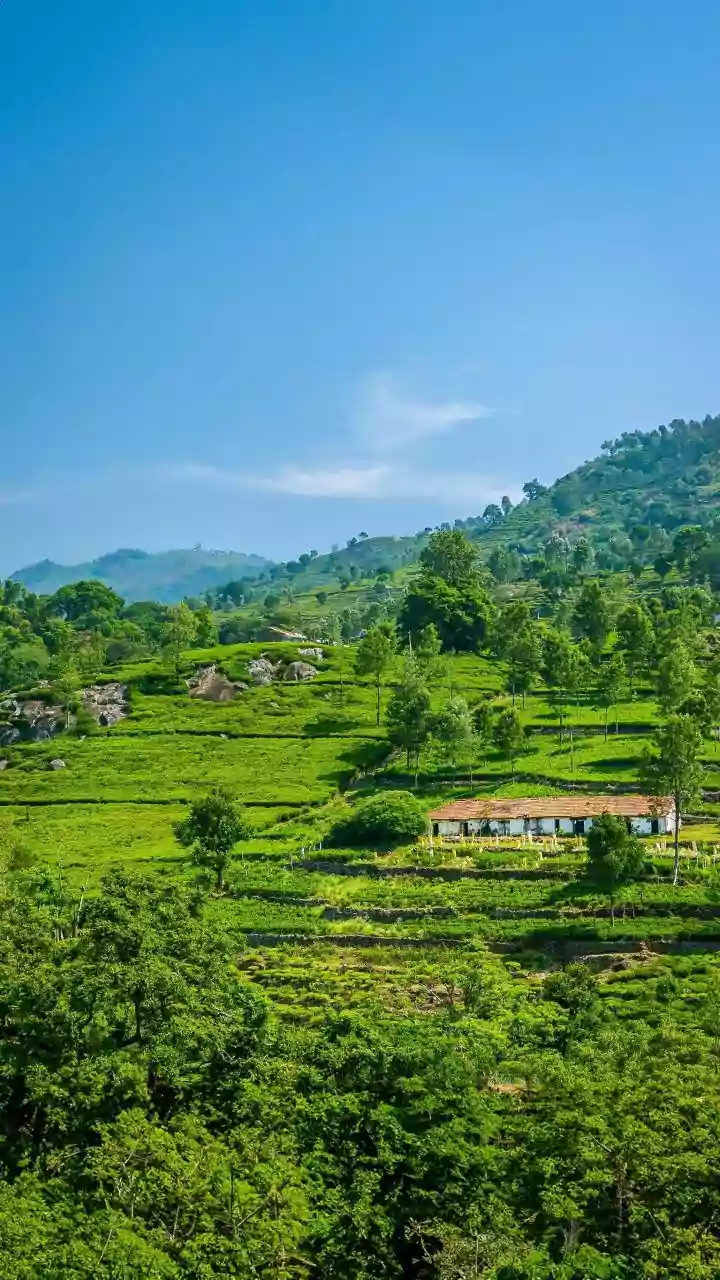
Further south, in Kerala's Kollam district, lies Chadayamangalam, another site with a powerful claim to the legend. It is here, atop a rocky hill known as Jatayupara, that many believe Jatayu finally breathed his last. The name of the town is said to have evolved from 'Jatayu-mangalam'. This belief has been immortalised by the Jatayu Earth's Center, a tourism project that blends mythology, eco-tourism, and adventure. The centrepiece is the world's largest bird sculpture—a colossal, 200-foot-long statue of Jatayu lying on his back, capturing the agony and majesty of his final moments. Designed by filmmaker and sculptor Rajiv Anchal, this functional sculpture houses a museum and a 6D theatre that narrates Jatayu's story. Visitors can reach the summit via a cable car or by climbing the ancient steps, making it a modern pilgrimage site dedicated to women's safety and honour.
The Final Rites: Thiruputkuzhi, Tamil Nadu
After Jatayu passed away, a grief-stricken Rama performed his final funeral rites with the honour due to a father. The Vijayaraghava Perumal temple in Thiruputkuzhi, a town near Kanchipuram in Tamil Nadu, is venerated as the location of this sacred ceremony. The name Thiruputkuzhi is linked to this event, derived from the Tamil words 'pul' (bird) and 'kuzhi' (pit or grave). Inside the temple, the main deity, Vijayaraghava Perumal (a form of Rama), is uniquely depicted in a sitting posture holding the great bird on his lap. The temple tank is named Jatayu Pushkarani, and a separate shrine is dedicated to Jatayu, underscoring the deep reverence for his sacrifice.
The Prelude: Nashik, Maharashtra
While not a site of Jatayu's fall or final rites, the area around Nashik in Maharashtra is inextricably linked to his heroic stand. The forest of Panchavati, on the banks of the Godavari River, is where Rama, Sita, and Lakshmana spent a significant part of their exile. It was from here that Ravana abducted Sita, setting in motion the battle that would lead to Jatayu's sacrifice. Places like Janasthana and Taked in the region are considered part of the Ramayana circuit, representing the landscape where the epic's dramatic events unfolded. Visiting these sites provides context for Jatayu's story, connecting travellers to the very beginning of his courageous final act.