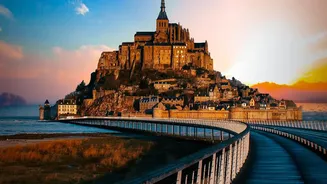


Mont Saint-Michel: An Abbey Above a Mall
From a distance, Mont Saint-Michel is breathtaking, a fairytale abbey spiralling towards the sky from a tidal island. The magic, however, can quickly fade once you arrive. Before you even begin the historic climb, you are funnelled into the Grande Rue,
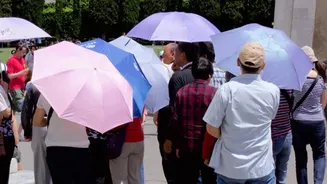
the island's single main street. This narrow, medieval lane is now less a path of pilgrims and more a congested corridor of commerce. It is lined wall-to-wall with souvenir shops selling identical trinkets, snack bars offering overpriced fare, and restaurants serving the famous, and famously expensive, Mère Poulard omelettes. The sheer volume of visitors, combined with the aggressive commercialism, can make the ascent feel like a slow march through a crowded shopping centre rather than a journey through a UNESCO World Heritage site. While the abbey at the summit remains a magnificent reward, the experience of getting there is often cited as a prime example of tourism overwhelming history.
Carcassonne: A Fortress Full of Trinkets
The fortified city of Carcassonne boasts some of the most impressive medieval walls in Europe, a double-walled fortress with 52 towers that look magnificent from afar. Stepping inside, however, can feel less like entering a historic city and more like visiting a theme park. The ancient streets are packed with shops selling plastic swords, medieval-themed candy, and generic souvenirs that detract from the authenticity of the site. While the scale of the fortifications is undeniable, the interior can feel soulless, a stage set for tourism rather than a living town. Critics point out that during the day, the crowds are overwhelming, and the food options are often mediocre and overpriced. The true magic of Carcassonne is often found in the evening after the day-trippers have left, when the illuminated walls can be enjoyed in relative peace, but the daytime experience is frequently described as a letdown.
Montmartre's Place du Tertre: Artistry versus Commerce
The charming hilltop neighbourhood of Montmartre in Paris, crowned by the Sacré-Cœur Basilica, has long been associated with artistic spirit. At its heart is the Place du Tertre, a square historically filled with painters. Today, many visitors find the romance has been replaced by relentless commercial pressure. The square is crammed with artists, but the atmosphere can be less about creativity and more about high-pressure sales. Reports are common of overly pushy artists who start sketching without consent and then demand payment. The restaurants surrounding the square are widely regarded as overpriced tourist traps with poor service. While the idea of having your portrait painted in Paris is a romantic one, the reality in Place du Tertre can feel transactional and stressful, a far cry from the bohemian haven it once was. Exploring the quieter side streets reveals more of Montmartre's authentic charm, but the famous square itself often disappoints.
The Champs-Élysées: A Grand Avenue of Global Brands
Billed as the 'world's most beautiful avenue', the Champs-Élysées in Paris often fails to live up to its grand reputation for modern travellers. While historically significant, the experience of strolling its length today is often compared to walking through any major international shopping street. It is lined predominantly with global chain stores, car showrooms, and fast-food outlets that can be found in any large city. The authentic Parisian charm many seek is largely absent, replaced by overwhelming crowds of tourists and high prices. For a more genuine Parisian shopping and strolling experience, many locals and travel experts recommend exploring districts like the Marais or Saint-Germain-des-Prés, where independent boutiques, unique cafés, and a more relaxed atmosphere prevail. While the view towards the Arc de Triomphe is impressive, the avenue itself can feel like a commercialised and impersonal tourist corridor.